


Explore high-craft VFX-driven ads showcasing imagination, scale, transitions, and visual magic.
VFX








3 word addresses

VFX
3 word addresses
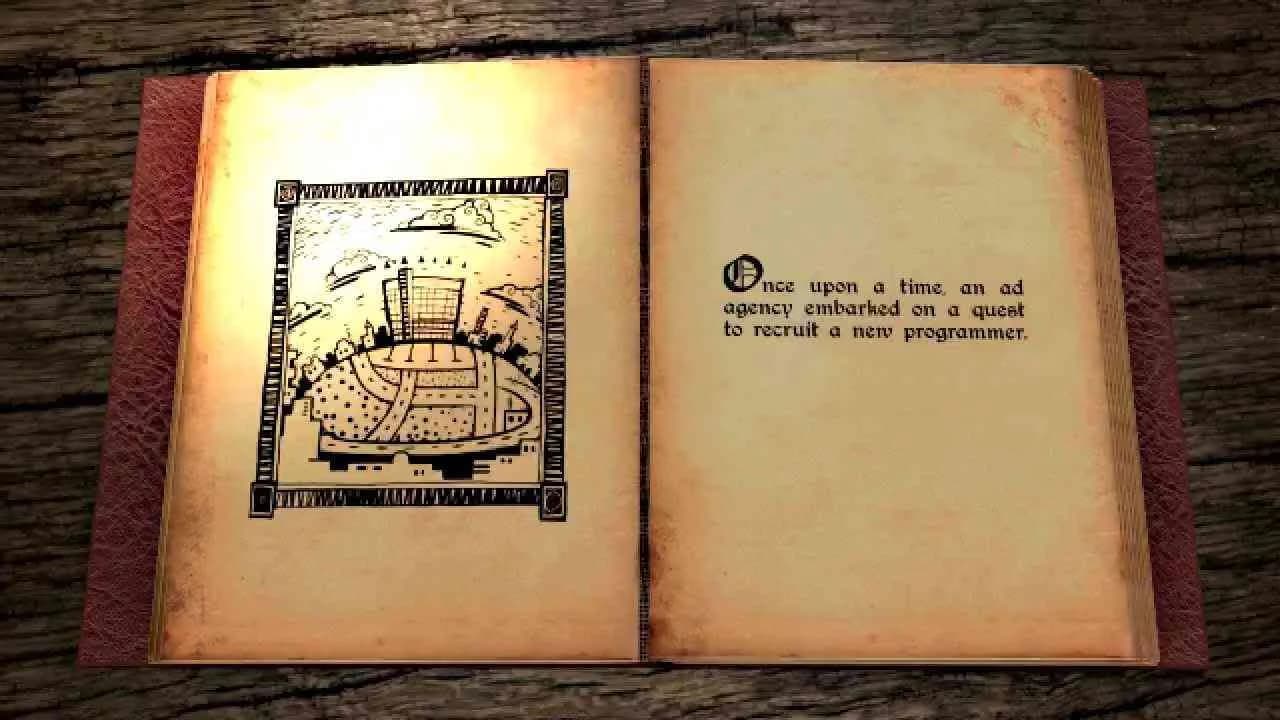
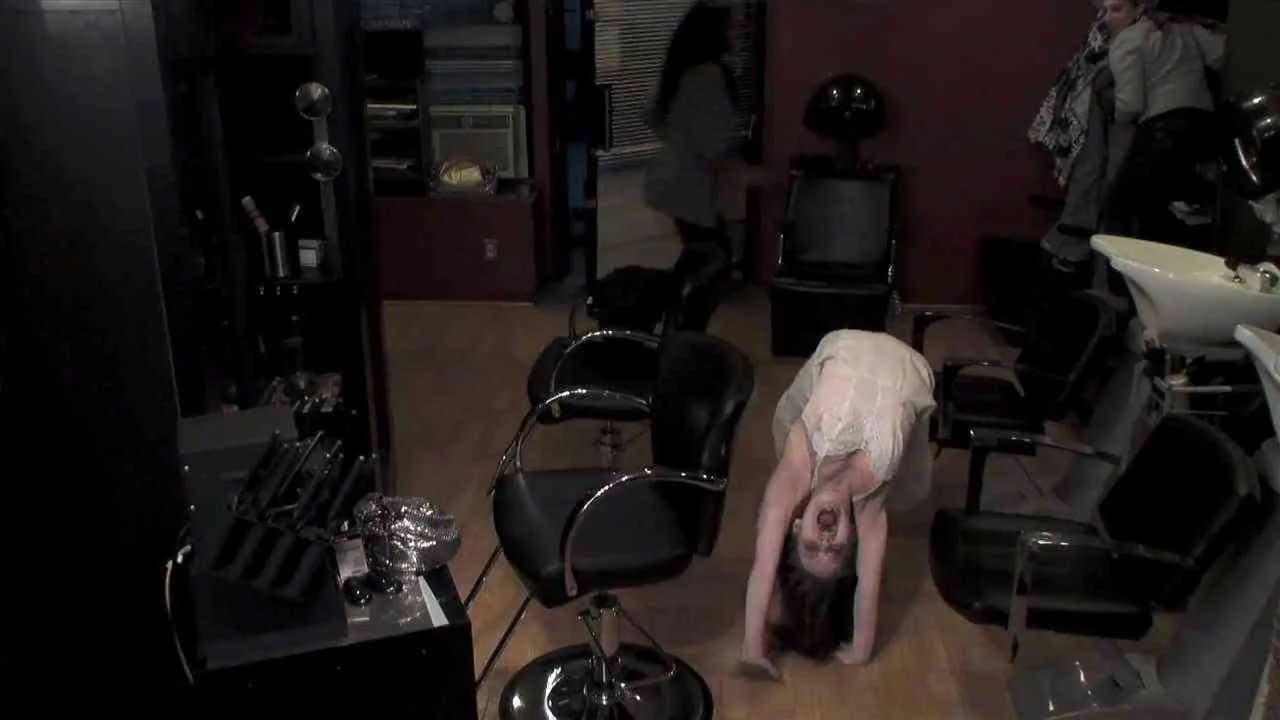
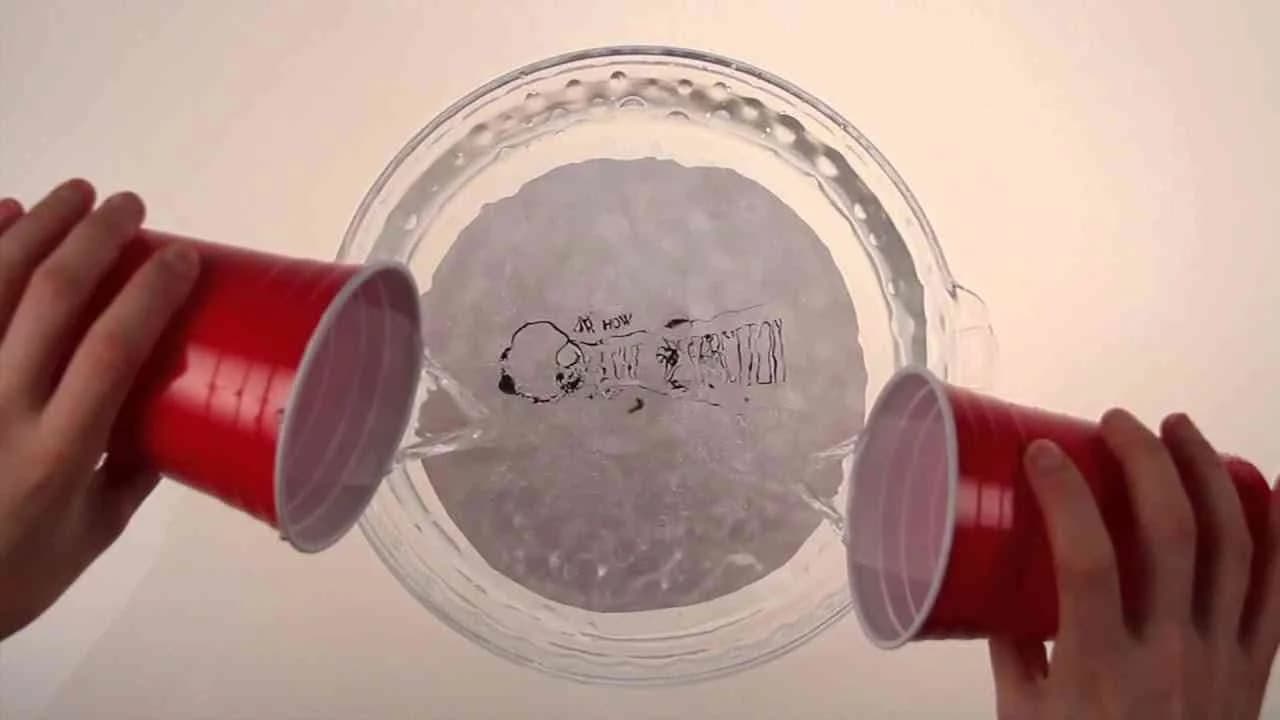
Launched in July 2015 in the United Kingdom, the digital campaign "3 word addresses" was developed for the innovative brand what3words, a pioneering player in the Electronics and Technology industry. This campaign effectively showcased what3words’ groundbreaking addressing system, designed to simplify location sharing by assigning unique three-word combinations to every 3m x 3m square on the globe. The campaign gained significant recognition by winning the prestigious Cannes Lions Innovation Grand Prix in 2015, highlighting its creativity and impact within the digital advertising landscape. With a targeted approach leveraging a single compelling media asset, the campaign resonated with tech-savvy audiences by emphasizing ease of use, precision, and global accessibility. Despite its simplicity, the message powerfully communicated the potential to revolutionize navigation and logistics, addressing real-world challenges in an increasingly connected world. Garnering over 32,000 views and sparking conversations with 60 likes and multiple comments, the campaign established strong engagement and brand awareness. Using clear, concise language crafted in English, the campaign tailored its messaging to the UK market while positioning what3words as a disruptive technology solution poised to transform everyday interactions with location information. This campaign remains a benchmark for digital innovation campaigns in the tech sector, blending creativity with functionality to convey a complex technological concept in an accessible and memorable way.
Brandon Semenuk
In July 2015, the groundbreaking digital campaign "One Shot: Brandon Semenuk's unReal Segment" was launched in the United States for the brand unReal, captivating audiences with a cinematic feat that redefined mountain biking storytelling. This campaign showcases Brandon Semenuk, widely acclaimed as the best slopestyle mountain biker in the world, who made history by filming an entire segment in one uninterrupted continuous shot. Utilizing the cutting-edge GSS C520 gyro-stabilized camera system mounted on a truck driving alongside a meticulously crafted custom trail—built over three weeks—the segment is a testament to precision, athleticism, and unparalleled collaboration between Semenuk, Anthill Films, and Teton Gravity Research (TGR). Notably, despite being injured, Semenuk nailed this flawless run on his only attempt, adding an extraordinary layer of intensity and authenticity to the film. Produced by the creative partnership of TGR and Anthill Films, unReal is a feature-length mountain bike film that pushes the boundaries of visual storytelling through the combined talents of the world’s best mountain bikers and visionary filmmakers. The campaign leveraged multiple digital platforms including iTunes, Amazon, Google Play, and more, ensuring widespread accessibility and driving engagement through a global film tour. The segment quickly amassed over 7.4 million views, with substantial social media interactions evidencing a strong community connection. Complementing the campaign, fans had the opportunity to engage directly through live Q&A sessions with Brandon Semenuk and the cinematographer, fostering an interactive dialogue that further deepened audience involvement. Backed by a powerful soundtrack, iconic brand partnerships, and compelling art direction, the unReal campaign successfully blended raw athleticism with cutting-edge film technology, inviting viewers to "get lost in the moment" and experience the purity and passion of mountain biking like never before. This campaign not only elevated the profile of its brand but also set a new standard for sports media in the digital age.
The Human Torch drone
The Human Torch Drone campaign, launched in the United States in August 2015 for the Fantastic Four brand by the Thinkmodo ad agency, represents a cutting-edge digital initiative within the media industry. This campaign creatively explores the intriguing question of what the iconic Human Torch character would look like in real life, effectively bridging the gap between comic book fantasy and reality through innovative visual storytelling. Utilizing a single compelling media asset, the campaign capitalizes on digital platforms to engage viewers with its unique conceptual execution. Garnering over 641,000 views, 3,532 likes, and 259 comments, the campaign has demonstrated significant audience engagement and resonated well within its target market. By blending advanced technology and imaginative branding, The Human Torch Drone campaign not only captivates fans of the Fantastic Four but also illustrates the power of digital media to bring fictional characters to life in a believable and memorable way, thereby reinforcing the brand’s cultural relevance and appeal.
Day 3 - Feel the future, Day 2 - Engage the future, Day 1 - Envision the future
The campaign "Day 3 - Feel the future, Day 2 - Engage the future, Day 1 - Envision the future" was launched by IBM in the United Kingdom in November 2014, targeting the electronics and technology sector through a digital medium. This innovative three-part series strategically guides the audience through a journey that begins with envisioning future possibilities, progresses to active engagement with emerging technologies, and culminates in a sensory experience of the future. The campaign’s structured narrative effectively positions IBM as a forward-thinking leader at the intersection of innovation and practical application, demonstrating its commitment to shaping and interacting with the evolving technological landscape. By leveraging three distinct media assets, the campaign not only captures attention but also deepens user immersion across multiple touchpoints, fostering a strong emotional and intellectual connection with the brand. Tailored for a discerning UK market, the messaging aligns IBM’s technological expertise with the aspirations of businesses and consumers eager to explore the potential of tomorrow’s digital breakthroughs today. Through a seamless blend of compelling visuals and thought-provoking content, the campaign underscores IBM’s role as an enabler of progress, encouraging the audience to feel, engage with, and ultimately envision the future in partnership with the brand. This approach not only reinforces IBM's market positioning but also stimulates curiosity and inspiration, essential for maintaining leadership in a rapidly evolving industry sector.
Flash marathon - stealing speed camera - Red Market | Clapboard Ad Archive
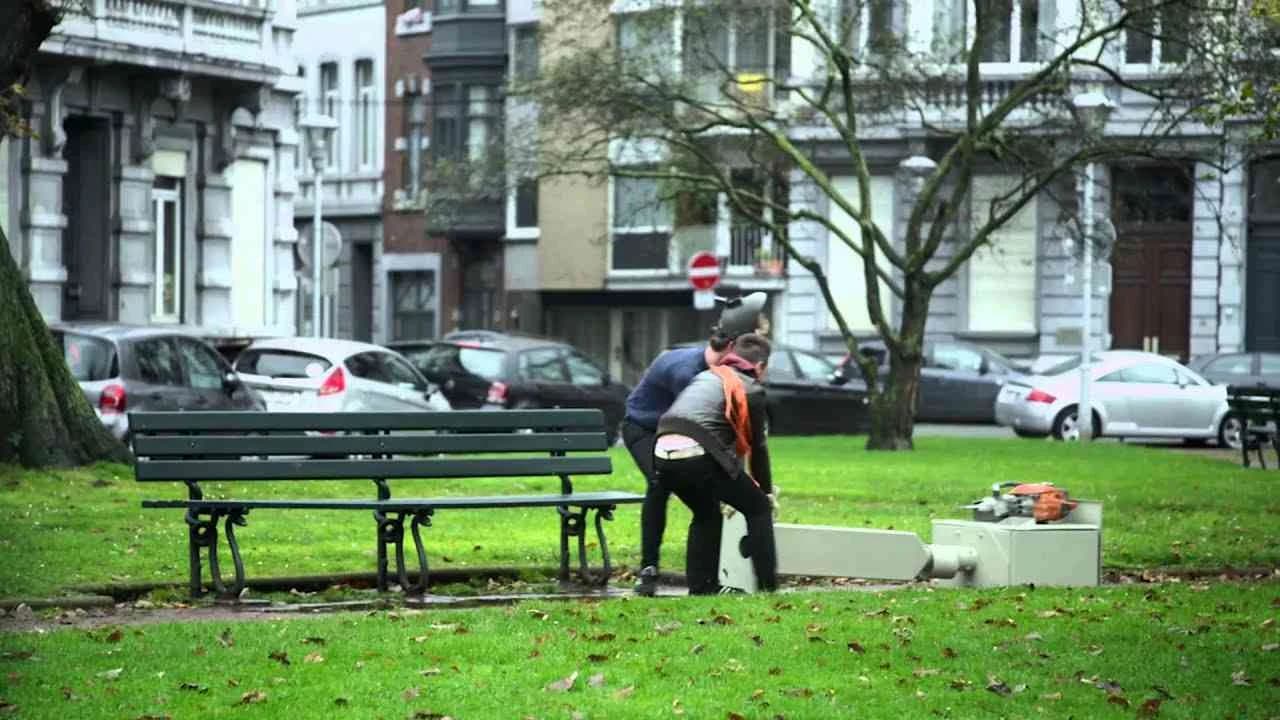
Red Market’s Flash marathon – stealing speed camera, created by Gutz and Glory and launched in Belgium in 2014, brought a kinetic jolt to the retail services sector with a campaign that literalized the connection between consumer effort and tangible reward through a striking on-the-ground stunt: around 1,200 participants raced past a speed camera, and the faster their recorded speed, the greater the discount awarded on their next Red Market visit. In a saturated market where discounting often slides into a race to the bottom, Red Market inverted the traditional paradigm, challenging customers to earn their deals through competition and performance in a high-energy event that blurred the boundaries between retail promotion and urban spectacle. The heart of the initiative — marrying the familiar mechanics of speed enforcement with a playful, participatory twist — was embodied in a single media asset that captured the campaign’s contagious excitement and broadcasted it to both in-person audiences and digital viewers, fueling shareability and brand visibility while deepening local impact. The enterprise stands as a textbook case for what Clapboard’s FORMAT#6 — Benefit Causes Story — describes: the narrative and the action are entirely powered by the product’s benefit itself; discounts aren’t simply offered, they are transformed into the very reason for the event, animating the campaign with a self-reinforcing creative logic that is as motivating as it is memorable. Instead of defaulting to character-driven drama or abstract claims, the concept deployed real participants and an intuitive incentive that required no translation, tapping into basic instincts for play, speed, and instant gratification — but repositioned in service of the brand’s value proposition. By making the physical act of running the central mechanism for unlocking savings, Gutz and Glory generated an environment where Red Market’s audience became willing advocates and protagonists, blurring the line between brand and participant and translating a transactional benefit into genuine social theater. The initiative, operating firmly within the retail category, demonstrates how ambient tactics, when fused with participatory design and shareable documentation, can elevate even the most practical promotion into a headline-grabbing campaign with lasting memory value. Clapboard rates this 73/100. Ultimately, Flash marathon – stealing speed camera is a pointed reminder to retail marketers that audiences will embrace even the most familiar offers when the core benefit is reimagined as an event worth chasing.
Sniffers - Confidante | Clapboard Ad Archive
Confidante’s Sniffers campaign, conceived by Langland and launched across the United Kingdom in 2014, harnesses an unexpected and visually striking metaphor to shine a spotlight on the escalating issue of sexually transmitted infections, placing health-sector communication at the intersection of creativity and public service. In an industry often hampered by clinical depictions or accusatory moral tones, Sniffers stands out by deploying specially trained ex-service dogs as a living analogy for the detection of hidden STIs — a move that sits squarely within Clapboard’s FORMAT#3—Symbolize the Problem, using the memorable image of canine patrols to capture the invisible yet urgent threat of undiagnosed infection rates rising throughout the UK and Republic of Ireland. Rather than relying on scare tactics or literal diagrams of disease, the campaign operates on a powerful symbolic level: dogs famously detect what the human eye cannot see, mapping a direct parallel with the asymptomatic spread of herpes, chlamydia, syphilis, gonorrhoea, and several other infections. By presenting these dogs actively scanning public spaces like streets and clubs, the work dramatizes both the public health imperative and the personal vulnerability of living alongside unspoken risk, reframing STI testing from a hidden shame into a visible social responsibility. Central to the digital component is Confidante’s discreet home testing kit, available via Confidantetest.com, empowering individuals to take charge of their sexual health in private while the broader campaign normalizes and destigmatizes regular testing. The creative execution leverages significant earned media attention, channeling a conversation usually confined to the physician’s office into mainstream discourse through live campaign updates across social channels and a well-received YouTube film, which has amassed over 190,000 views and amplified the campaign’s reach among target audiences aged 18 and over. Langland’s approach to integrating public health messaging with communicative spectacle, rather than patient shaming or sterile instruction, functions as both a wake-up call and an invitation to proactive behavior, tapping into the latent anxiety around STIs but channeling it into empowerment via accessible, stigma-free testing solutions. With a focus rooted in the seriousness of the issue — as underscored by Public Health England’s data identifying over 446,000 new STI cases in the previous year — Sniffers reframes early detection as a smart, mainstream health ritual, not a taboo or afterthought. The campaign earns 79/100 in Clapboard’s global creative archive. As inventive campaigns like Sniffers reimagine how public health can adopt popular and even playful metaphors without sacrificing urgency, the healthcare sector signals an appetite for disruption that captures attention, erodes stigma, and shifts deep-seated cultural behaviors.
Music - Mazda | Clapboard Ad Archive
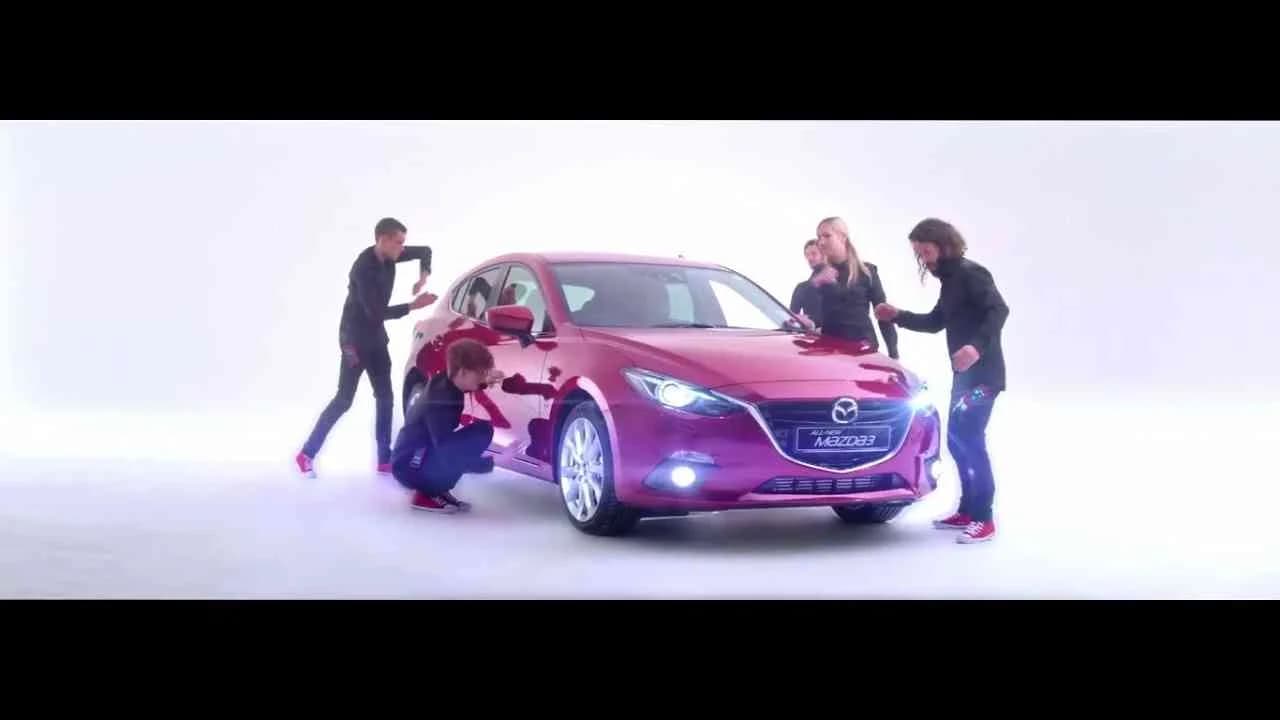
Mazda’s 2014 digital campaign Music, created for the UK market, stands as a textbook example of how automotive brands can harness technology and culture to propel engagement and redefine perceptions. Developed for the launch of the Mazda3 hatchback, the agency’s approach centers on a creative alliance with the Mogees music-making app, offering a live demonstration of how innovation in the automotive sector can break out of formulaic storytelling. Instead of defaulting to conventional driving footage or emotionally charged vignettes, the work positions the Mazda3 as a participatory instrument in the creation of music, literally transforming the vehicle into a responsive art object through tactile interaction enabled by the Mogees app. This real-time collaboration, underscored by original electronic compositions from M+A and immersive lighting effects, became a multisensory showcase that actively invited drivers and tech-savvy audiences to reconsider what a car could represent beyond transport — connecting mobility with the creative arts and digital interactivity. By leveraging social platforms and the campaign hashtag #MazdaMogees, Mazda catalyzed organic community engagement while signaling the brand’s willingness to experiment and engage a forward-looking demographic, earning over 172,000 views and crossing the all-important visibility threshold for digital activations in the crowded automotive space. What Clapboard’s taxonomy would classify as FORMAT#1—Demonstration, the campaign flatly rejects abstraction in favor of direct, transparent proof of product innovation, aligning the Mazda3’s technological features with the disruptive potential of connected experiences. Within the context of automotive marketing, where technology partnerships can often feel cosmetic or unconvincing, Mazda’s integration with Mogees is bold in its literalism, allowing the product to take center stage as both the medium and the message. The campaign earns 72/100 in Clapboard’s global creative archive. For creative strategists, Music matters because it reframes the car not as a static object of desire but as an endlessly adaptable platform for participation, which signals a rich future for branded collaborations that bridge technology, culture, and lifestyle.
Star Wars vs Star Trek - | Clapboard Ad Archive
Sky’s Star Wars vs Star Trek campaign in 2007 stands as a landmark moment in media and entertainment marketing, with Sky Movies tapping Cologne-based Lichtfaktor for a visually arresting activation that harnessed an emerging visual technique—lightwriting—against the evocative backdrop of London. Commissioned to ignite buzz around Sky’s Star Wars vs Star Trek season, a marathon weekend broadcasting all six Star Wars and ten Star Trek films, the campaign took the cultural rivalry of two storied franchises and rendered it into a dazzling urban spectacle by setting cameras to long exposure and using flashlights to script luminous, genre-referencing imagery onto cityscapes. In lieu of conventional film trailer or montage, Sky Movies sought out the then-cutting-edge Cologne creative collective via Myspace, signaling both a canny grasp of creative curation and an instinct for the cultural moment, and brought them directly onto the project. The result was an immersive narrative-free feature hosted on SkyCast.com and promoted via a dedicated landing page, uniting the universes of Star Wars and Star Trek with an effect that echoed their shared iconography while sidestepping direct narrative parody—precisely the sort of creative interference that Clapboard’s taxonomy recognizes as FORMAT#12—Parody or Borrowed Format, where the resonance of pop culture properties and genres does the communicative heavy lifting. Garnering nearly 900,000 views and robust audience interaction, the work leveraged the embedded fan devotion across both brands, yet remained true to their aesthetic and imaginative DNA by transforming familiar genre tropes into shared public art. The campaign’s use of lightwriting not only delivered fresh visual currency to science fiction’s most passionate audiences, but it also advanced Sky Movies’ standing as a media brand willing to subvert classic promotional playbooks for something that transcends format to become a form of creative homage, further fueling anticipation for the broadcast event itself. In the context of the intensely competitive media market of 2007, it was a move that foregrounded ingenuity over repetition and spectacle over storyline, setting a benchmark for what can happen when two beloved sci-fi legacies are reintroduced to the public through unexpected and highly shareable means. The campaign earns 74/100 in Clapboard’s global creative archive. This campaign is a touchstone for how major media brands can catalyse fan engagement and cultural conversation by borrowing from, rather than merely showcasing, the DNA of established entertainment properties.
Mind Control: Directing the Power of Perth, Batteries, BB... - Western Power | Clapboard Ad Archive
Mind Control: Directing the Power of Perth, Batteries, BB leverages the industrial gravitas of Western Power’s mandate and MullenLowe Group’s imaginative chops to reframe an essential but largely invisible utility as something cinematic, dynamic, and charged with creative possibility. Launched in Australia in 2017, this campaign operates within the telecom and power market category, capitalizing on the strengths of the film medium to dramatize electricity’s unseen presence throughout Perth. Rather than defaulting to technical diagrams, customer testimonials, or overtly rational storytelling, the campaign harnesses VFX to construct a visual metaphor for control and connectivity, manifesting energy’s reliability as a force governed by the brand’s near-psychic assurance. Across three distinctive media assets, Mind Control positions Western Power as an almost supernatural orchestrator of Perth’s energy ecosystem, deftly communicating not just operational efficiency but a reassuring mastery over the region’s power flows, storage, and distribution. The narrative’s use of extraordinary visual symbolism—amplified by heightened special effects and an imaginative framing—elevates the conversation about power management, converting abstract infrastructure into something tangible, memorable, and emotionally resonant for both residential and commercial audiences. This is an approach that sits squarely in Clapboard’s FORMAT#9—Symbolize the Benefit, using exaggerated visuals to dramatize the positive impact of an industrial product that is typically hidden from view. The creative leap to mind control as a narrative device, coupled with the cinematic execution, signals a departure from rote B2B utility messaging toward a brand-building narrative that asks viewers to see Western Power as an agent of community empowerment and technological stewardship. By rendering electricity’s movement visible and even spectacular, the campaign achieves more than messaging functional dependability: it builds brand trust through emotional engagement and dazzling craft. Clapboard rates this 63/100. In advancing the symbolism of energy reliability and making infrastructure emotionally legible, Mind Control shows that even utilities can seize the high ground of imagination when the visual language is ambitious enough.
Beeline Tricky Dog - Beeline | Clapboard Ad Archive
Beeline’s Tricky Dog, created by mfive in 2013, set a new creative benchmark in Russia’s Electronics and Technology sector by becoming the world’s first stop-motion advertisement filmed with real dogs, ingeniously tackling the perennial perception that mobile account recharge is bewildering or difficult. Centered around the playful Russian aphorism that asks where the dog is buried—colloquial shorthand for uncovering the hidden complication—the spot sidesteps literal product demos and, true to what Clapboard’s taxonomy would classify as FORMAT#3—Symbolize the Problem, constructs a witty visual metaphor that transforms the technical conundrum of credit top-up into a caper featuring expressive canine protagonists. Three months of rigorous behavioral research and careful casting culminated in the selection of calm, photogenic, and charismatic dogs whose patience and demeanor enabled a delicate frame-by-frame performance; animators painstakingly engineered a 615-frame skeleton sequence, while custom-built, evolving sets enhanced the immersive quality and kinetic comic timing. The resulting film fuses charm and craft, deploying the spectacle of a flying dog as a code for unlocking the solution: viewers discover, with disarming clarity, how recharging one’s Beeline account straight from their phone is as easy—and unexpectedly delightful—as joining the airborne journey of the dog itself. Rather than spelling out the device’s steps or floundering in didactic reassurance, Beeline and mfive reframe the consumer challenge with a wink—using four-legged casting and stop-motion wizardry to transform a mundane mobile task into a shared cultural wink that landed with both scale and sentiment. The campaign quickly gained major traction among Russian consumers, driving robust word-of-mouth and racking up nearly 800,000 views, encapsulating the low-barrier accessibility and aspirational brand positioning that Beeline sought to reinforce. The campaign earns 82/100 in Clapboard’s global creative archive. This work matters because it signals how lateral creative thinking, a distinct cultural insight, and technical innovation can combine to open up complex mobile services to mainstream audiences in ways that make brands both trusted and talked about.
Light Posts Projectors - AES Eletropaulo | Clapboard Ad Archive
AES Eletropaulo’s Light Posts Projectors campaign, conceived by the Brazilian agency dim&canzian for the energy and utilities market in 2013, reimagined the city’s ubiquitous infrastructure as an emotionally charged outdoor media canvas, pushing the boundaries of OOH through a fusion of technology, public participation, and urban storytelling. By equipping standard light posts with projection devices, the campaign literally illuminated poignant, user-submitted headlines at the very locations where meaningful life moments had occurred, creating a living archive of local stories tied to AES Eletropaulo’s core product: the reliable electricity that powers daily life. Residents were prompted to contribute their most memorable experiences via the branded fansite mensagensquebrilham.com.br, transforming passive urban dwellers into active campaign participants and reinforcing the brand’s relevance at a deeply community-oriented level. This inventive use of outdoor space, which sits squarely within Clapboard’s FORMAT#9—Symbolize the Benefit, dramatized the utility’s impact not through direct demonstration of technological prowess, but by metaphorically turning infrastructure into a vessel for civic pride and collective memory; rather than touting service reliability or engineering excellence, the work celebrated the very light provided by AES Eletropaulo as a carrier of shared stories, weaving authentic human moments into the fabric of the city’s nightly life. For a market category as functionally utilitarian as industrial energy, the blend of participatory narrative, creative lens technology, and hyperlocal activation exemplified a shift toward brand-building strategies anchored in cultural engagement rather than transactional messaging. The campaign’s digital touchpoint provided an additional layer, amplifying both engagement and visibility, while the public projections themselves achieved a striking synthesis of symbolism and spectacle. It stood as a rare example of how even legacy infrastructure—when paired with creative insight and genuine consumer involvement—can transcend its physical function to serve as a beacon for communal expression. Clapboard rates this 74/100. In demonstrating how symbols and collective memory can animate even the most unglamorous utilities, Light Posts Projectors signals that storytelling and meaningful participation can reposition industrial brands as integral cultural anchors within the urban landscape.
Play My MTV by Rafael Bittencourt, Play My MTV by Lobão, ... - MTV | Clapboard Ad Archive
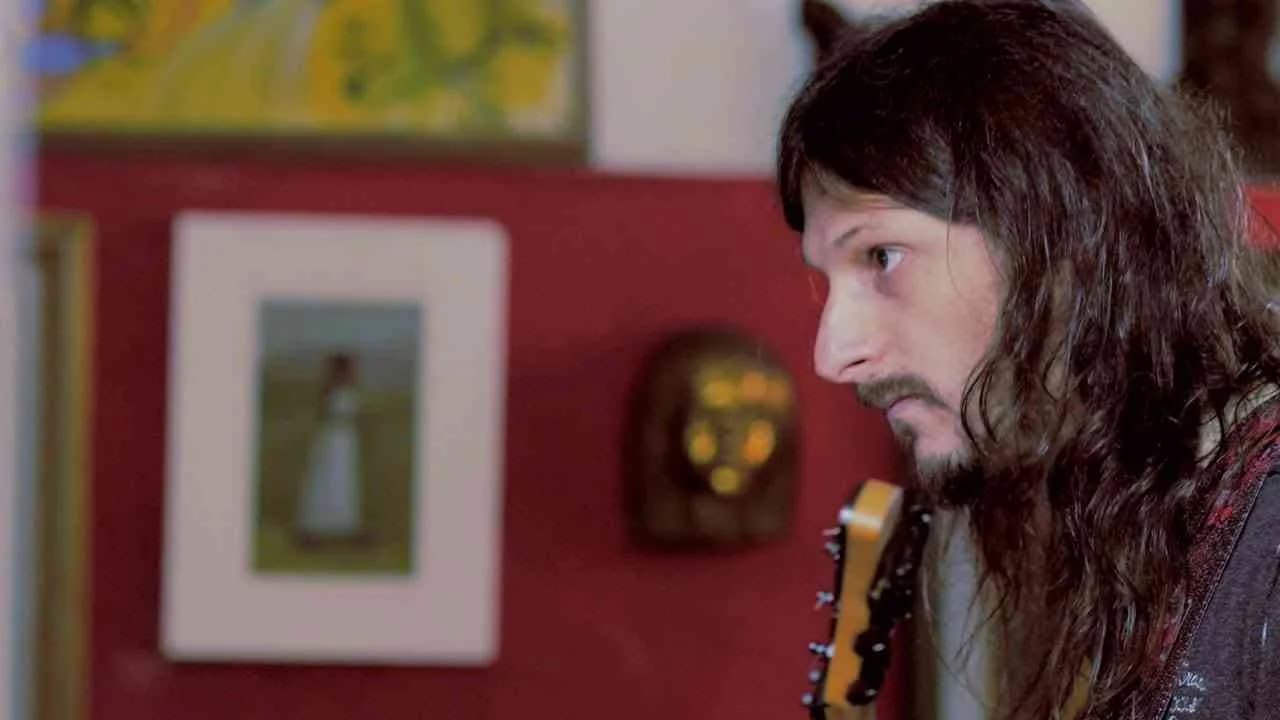
MTV’s Play My MTV campaign, launched in Brazil in Year 2013 by Loducca, is a vivid demonstration of how a media brand can deploy celebrity affinity and subversive audience experiences to reinforce its identity at the intersection of music and television. At its core, the campaign is built around a technical experiment: a guitar is hooked up to a television set, with the guitar’s notes and effects directly modulating the sound of live MTV programming in real time, collapsing the distance between performer and platform and transforming the passive act of watching television into an active, musical intervention. The effort moves away from story-driven narratives or didactic demonstrations, instead using a slate of revered Brazilian guitarists—among them Rafael Bittencourt and Lobão—as the connective tissue; these musicians are not simply endorsers, but central figures whose recognition and artistry amplify MTV’s status as a cultural conduit for creativity. The campaign’s core assets are four short films that serve as both performance showcases and proof-of-concept, inviting viewers to imagine the boundaries of their own media consumption redefined by personal creative input. Through the lens of Clapboard’s 12-format taxonomy, this campaign sits squarely in FORMAT#8—Ongoing Characters or Celebrities, relying on the magnetism of recurring musical icons to drive brand recall and engagement rather than a conventional plot or product feature set. The choice of ambient media is strategic, embedding the campaign in the physical and sonic environments of MTV’s audience, and projecting a distinctive blend of experimentalism and cultural localism by foregrounding Brazilian music talent. In doing so, MTV and Loducca deliver a brand message that champions experimentation, interaction, and entertainment as essential to the MTV value proposition in the Brazilian market and the wider media and entertainment category. The campaign earns 70/100 in Clapboard’s global creative archive. For the advertising industry, Play My MTV signals how aligning a brand with iconic personalities and unexpected platform experiences can remake not just a message, but the medium itself.
.webp)
Creative Collaboration Platform: The Backbone of Modern Creative WorkWhat is a creative collaboration platform?Clapboard defines a creative collaboration platform as the operational core for today’s distributed creative teams. This is not a collection of digital collaboration tools stitched together; Clapboard’s system

Understanding the Creative Production MarketplaceWhat is a Creative Production Marketplace?Clapboard defines a creative production marketplace as a structured ecosystem where brands, agencies, and production talent converge to execute video, advertising, and branded content at scale. Unlike the legacy agency or freelanREAD FULL ARTICLE

The Urgent Need for a Creative Production Operating SystemWhy Traditional Creative Production Models Break DownClapboard sees the creative production landscape shifting under pressure. Content velocity is no longer a buzzword—it’s a mandate. Modern advertising demands relentless output across dozens of channels, each wREAD FULL ARTICLE
