


Ads driven by music, rhythm, choreography, and high-energy audio expression across global brands.
Musical


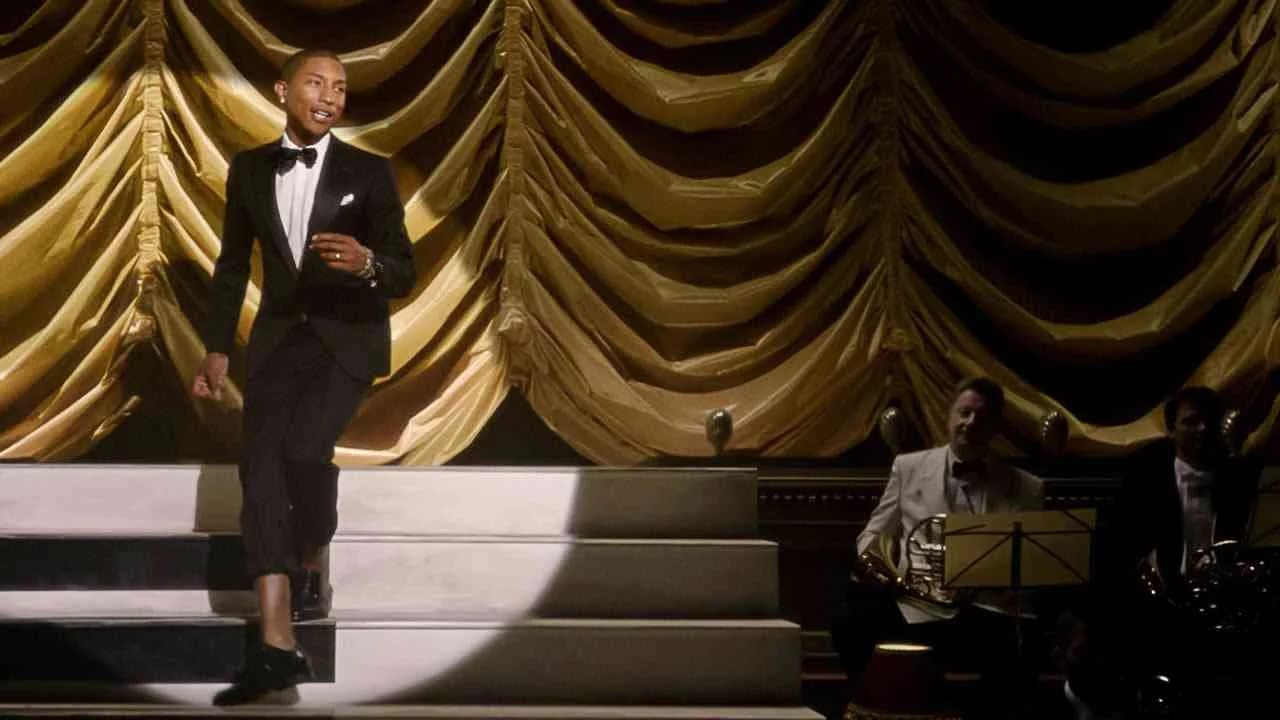
Case Study Song of the Year
Musical
Case Study Song of the Year
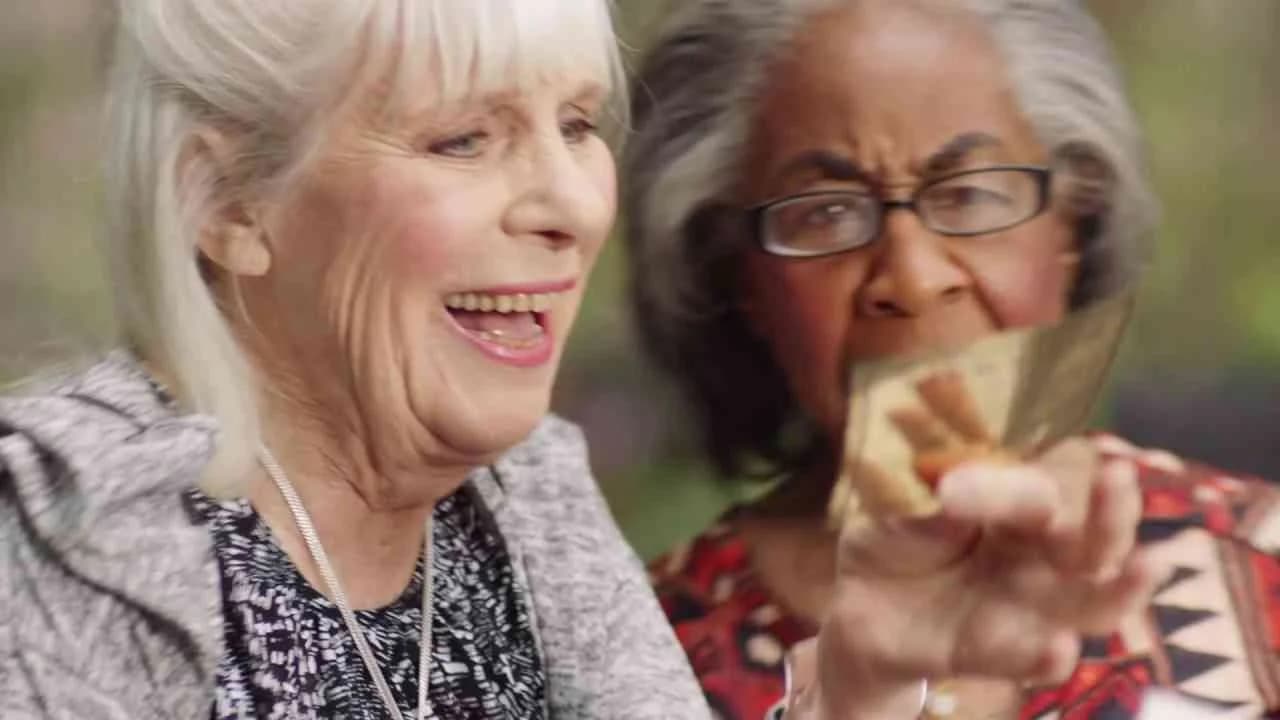
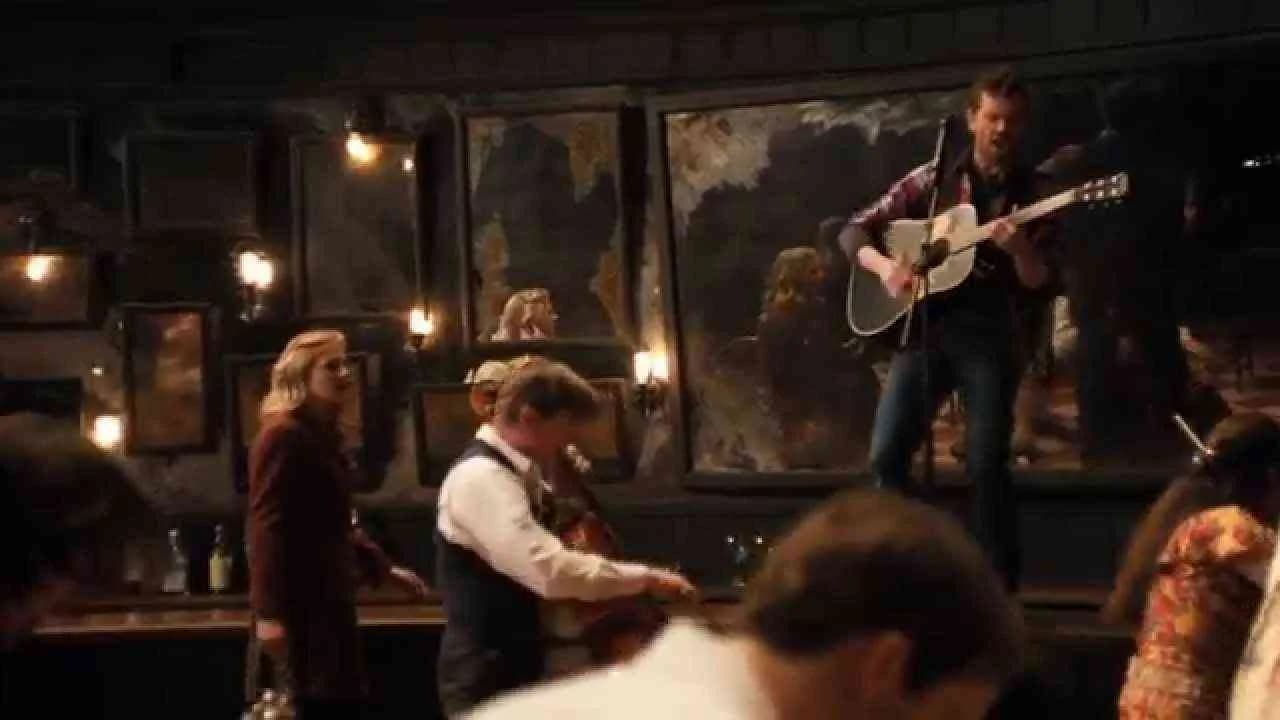
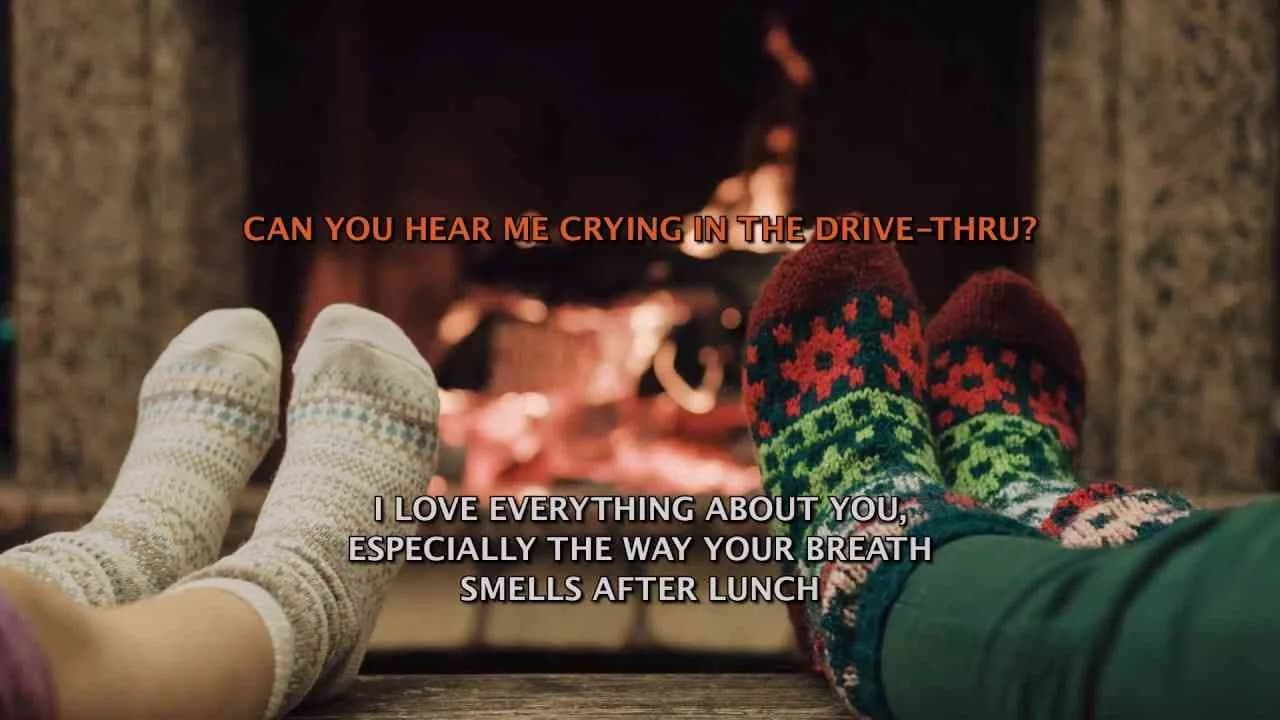
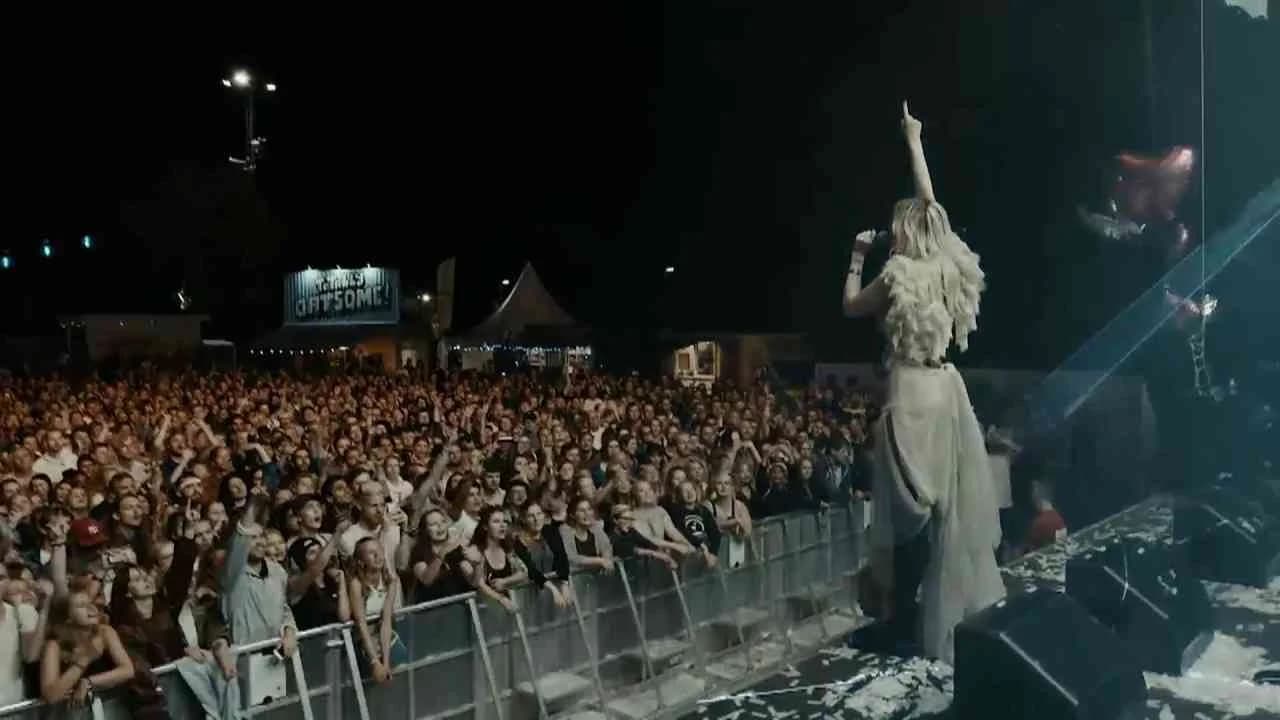
Creative Fuel presents the Award Show Case Study Song of the Year, an innovative digital campaign crafted for ADMA and debuted in Australia in 2025. This unique anthem transforms the often arduous process of selecting the perfect soundtrack for award entries, offering the ultimate audio companion guaranteed to captivate any advertising jury and elevate any case study to a winning level. Designed specifically for professionals in the marketing and advertising industries, the song captures the emotional journey essential to award-winning presentations, resonating deeply with creatives who understand that a compelling narrative combined with the right music truly seals success. Premiered live at the prestigious Creative Fuel conference held at Sydney's Seymour Centre, alongside visionary speakers from leading organizations like AOL, Google, and Havas Worldwide, the campaign harnesses the power of innovation and industry insight to inspire and unify. With over 17,000 views and notable engagement, including 75 likes and thoughtful comments, the campaign has sparked conversations among marketing professionals and creatives seeking to enhance their storytelling through music. By offering an easily accessible download of the song, the campaign not only promotes ADMA’s commitment to creative excellence but also encourages participation in the upcoming Creative Fuel event, making it an essential experience for those aiming to push boundaries in professional services marketing. This campaign exemplifies how artful integration of music and marketing strategy can create a lasting impact, turning case studies into unforgettable stories that resonate both emotionally and professionally.
Respect for the Man - Nos Audiovisuais | Clapboard Ad Archive
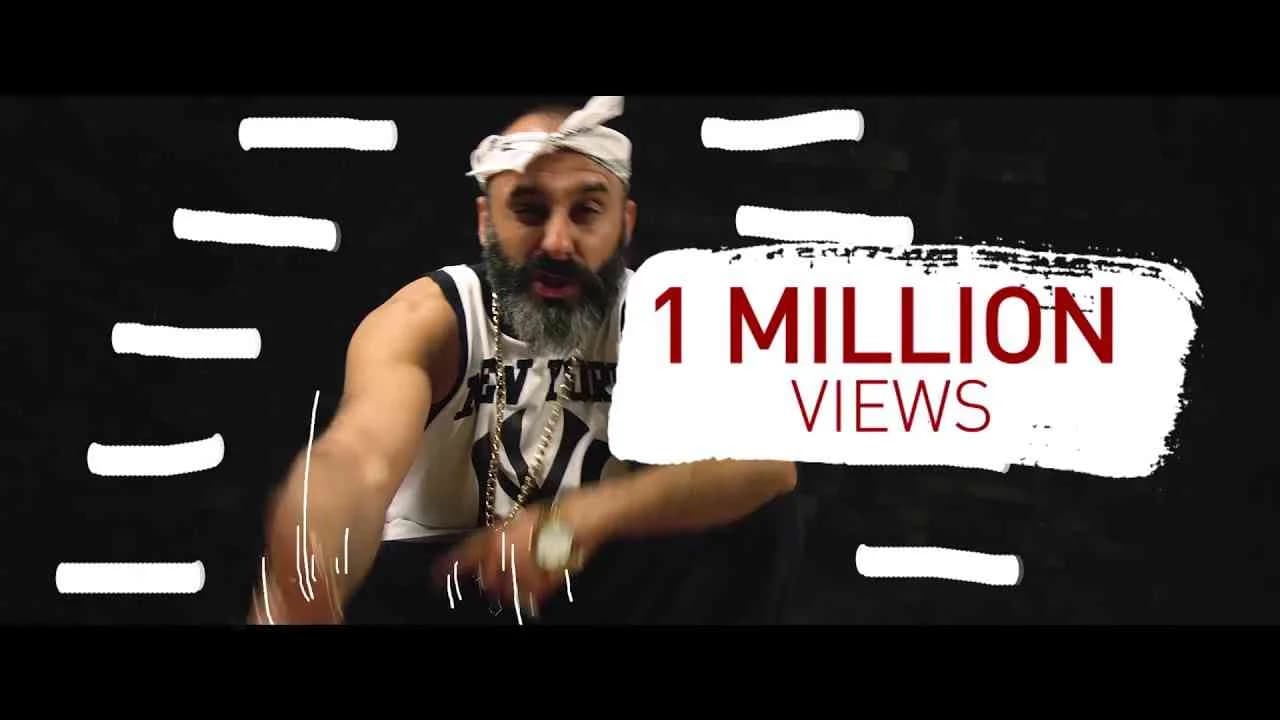
NOS Audiovisuais’ 2017 campaign Respect for the Man leveraged the premiere of Tupac’s biopic All Eyez On Me as an inflection point to bridge the cultural chasm between audiences intimately familiar with hip-hop’s golden age and a rising generation for whom Tupac’s mythos is a cipher. Tasked with energizing engagement across disparate demographics within the media and entertainment category, Social Animals architected a content-led push anchored by a 90s-inspired music video tribute fronted by Rui Unas, a prominent Portuguese influencer whose reach resonated with younger theatergoers. Eschewing literal biographical retelling in favor of an immersive homage, the agency reimagined the audio-visual grammar of 90s rap, channeling era-defining motifs through contemporary production backed by in-house music, directorial, and creative oversight. In staging Rui Unas as the vehicle for narrative and nostalgia, Social Animals not only honored the reverence Tupac commands among older viewers but also contextualized his legacy through the language of parody and genre-borrowing contemporary to Clapboard’s FORMAT#12—Parody or Borrowed Format—taxonomy. The creative device did more than mimic; it engineered a point of dialogue, with the familiar beats, styling, and visual tonality purpose-built to trigger recognition in legacy fans while demystifying the icon for the uninitiated. By keeping the creative within agency walls—from concept through music production—the campaign ensured tonal fidelity and brand alignment, maximizing agility across social channels and creating a unified communications asset engineered for both shareability and cross-demographic resonance. The use of an influencer as cultural conduit, rather than mere endorser, repositioned the brand as an active cultural translator capable of bridging not just age groups but the semantic gaps that define pop legacy in the streaming era. As an entry in the media and entertainment category, Respect for the Man demonstrates how borrowed formats and nostalgia, when combined with meticulously localized storytelling, can serve both as tribute and education, driving relevance for a global legend within a regionally specific campaign. Clapboard rates this 63/100. By demonstrating how content-driven parody formats can straddle nostalgia and education in a single creative act, the campaign signals media brands’ rising fluency in transforming generational divides into brand-building opportunities.
"Bear Claws" Facebook Live Performance - The Academic | Clapboard Ad Archive
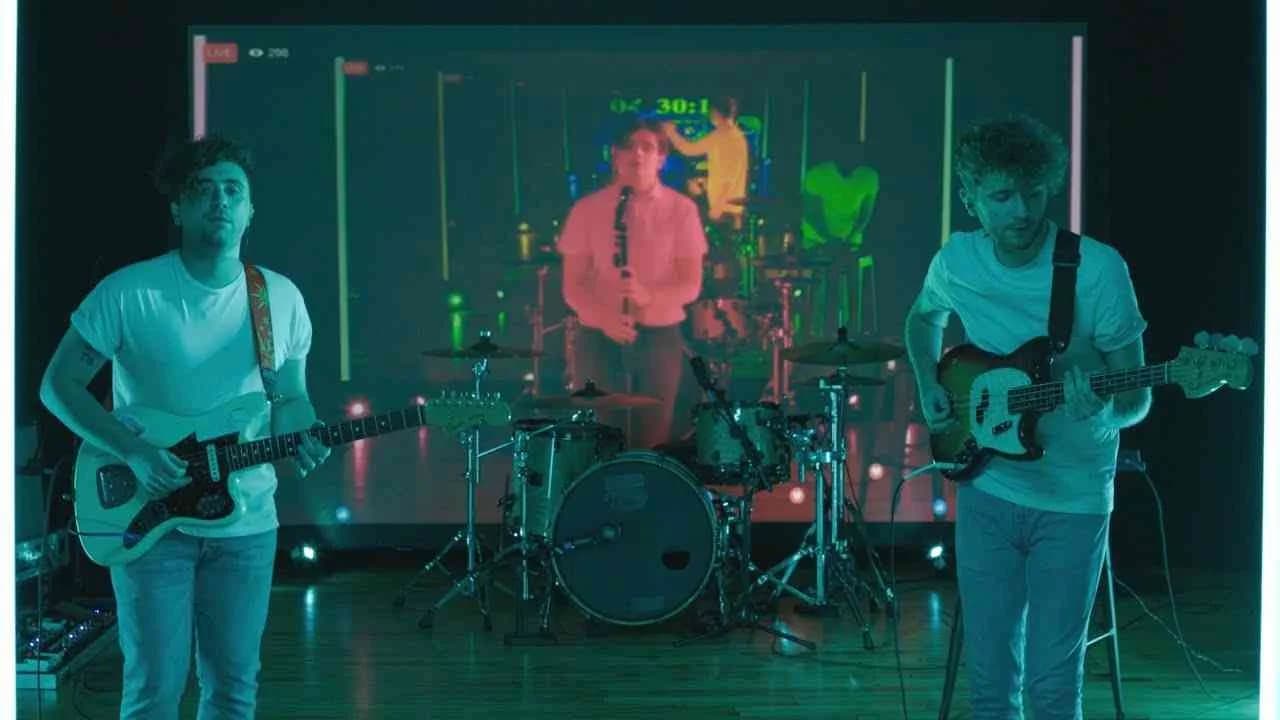
The Academic’s Bear Claws Facebook Live Performance campaign, conceived by BBDO in the United States for the music and entertainment category, stands as a benchmark in real-time digital demonstration, reimagining how artists can intersect creativity and technology to transform fan engagement. In Year 2017, The Academic leveraged the Facebook Live platform’s unique audio-video delay, orchestrating a live event that turned this perceived technological flaw into an ingenious looper effect—each new instrumental or vocal layer was added in real time, with the platform’s lag forming the basis of a hypnotic, evolving musical loop. Centered squarely in what Clapboard’s taxonomy would classify as FORMAT#1—Demonstration, the campaign abstains from narrative dramatization or celebrity spectacle, instead inviting audiences to witness, step-by-step, the innovative reconstruction of Bear Claws using a meticulously crafted loop technique. Visual complexity was heightened by projecting the live video back into the stream, creating an infinite tunnel of receding and accumulating performances that became as visually captivating as it was aurally inventive. This innovation drove over three million views, ignited wide-ranging conversation with thousands of comments, and established a new high-water mark for music-driven brand experiences live-streamed at scale. Across Instagram, Facebook, and Twitter, engagement spilled over as fans were prompted to subscribe, pre-order the band’s debut album, join the mailing list, and stream more music, with tour dates and official video links efficiently cross-promoted throughout the campaign architecture. The Academic’s use of digital platform idiosyncrasies fused the technical with the creative in a pure demonstration of product and brand prowess, underscoring the adaptability and inventive spirit possible within the media and entertainment arena. The campaign earns 88/100 in Clapboard’s global creative archive. As brand experiences on social platforms demand ever greater interactivity and originality, Bear Claws signals a creative frontier where technical insight and strategic showmanship can synthesize live, communal music events that feel both exclusive and infinitely shareable.
Musical earmuff - Vodafone | Clapboard Ad Archive
Vodafone’s Musical Earmuff campaign, launched in Year 2013 and developed by Ogilvy for the Electronics and Technology market in India, leveraged the extraordinary scale and spiritual fervor of the Maha Kumbh Mela to reposition value-added telecommunication services as tangible, culturally attuned experiences. Recognizing both the biting chill of January and the devotional context of the festival—an event drawing more than 100 million from some of India’s most remote and underserved communities—the brand distributed thousands of Vodafone-branded earmuffs embedded with devotional music and a concise call to action instructing users to dial 123 for spiritual songs. This direct marketing approach, classified in Clapboard’s taxonomy as FORMAT#1—Demonstration, was not a conceptual abstraction or overt narrative but a live, hands-on proof of product benefit, fusing utility with context in real time among a uniquely diverse and transient audience. The creative strategy bypassed conventional media clutter, planting Vodafone directly into the cultural fabric of the Kumbh by answering both immediate needs (warmth during the cold festival nights) and deeper desires (access to devotion and connection) while actively driving trial of its digital music service. Brand visibility and user engagement were significantly amplified, with the choice of a wearable, shareable medium generating both organic word of mouth and sustained recall. The campaign’s physicality was integral: by transforming a simple winter accessory into a branded demonstration device, Vodafone was able to sidestep digital access barriers and deliver its message incisively to populations typically excluded from conventional advertising touchpoints. The partnership with Ogilvy underscores a growing trend within the category: marrying experiential activation with behavioral nudge marketing to blur the line between product, utility, and brand promise. The campaign earns 78/100 in Clapboard’s global creative archive. As the industry accelerates toward hyper-targeted digital executions, this campaign signals the ongoing relevance—and strategic edge—of contextual physical interventions in catalyzing technology adoption among emergent consumer cohorts.
Something new - April | Clapboard Ad Archive
April’s 2017 campaign, Something new, marks a bold repositioning of the Israeli cosmetics leader through an unexpected blend of music, celebrity, and beauty culture, helmed by Zarmon and launched as a single, full-length music video starring internationally renowned producer Kutiman and iconic singer Marina Maximilan. In a move that confidently anchors April’s refreshed identity, the campaign draws on the gravitational pull of these two leading artists to recast the brand’s allure—Marina’s stage presence and Kutiman’s progressive sound design merge with layered art direction, rendering the product experience less of a tactical showcase and more a cultural signal, aligning the act of self-expression via beauty with the transformative power of music. Rather than engaging in a direct demonstration or overt problem-solution device, the narrative leverages the cachet of its celebrity collaborators, seamlessly immersing April’s portfolio into the visual and lyrical fabric of the video so that cosmetics become part of the creative process rather than points of interruption. This is what Clapboard’s taxonomy would classify as FORMAT#8—Ongoing Characters or Celebrities, a technique relying on star power for brand recall and differentiation in a highly competitive beauty market, reaffirming April’s capacity to shape trends through associations with Israel’s top creative talent. Zarmon’s execution sidesteps didactic storytelling for an emotional, sensorial approach, trusting in the aspirational, culturally relevant resonance of its musical co-stars to elevate April’s brand platform and signal a shift toward contemporary, lifestyle-driven beauty messaging. The full-length content asset doubles as both an entertainment property and a branded communications piece, meeting consumers in their passion points rather than in the traditional retail space, and providing April with fresh conversational reach. The campaign earns 63/100 in Clapboard’s global creative archive. For the industry, this campaign underscores how Israeli beauty brands can move beyond category conventions when they engineer meaningful collaborations between household names and lifestyle brands.
Instruments of Resilience - Medalla Light | Clapboard Ad Archive
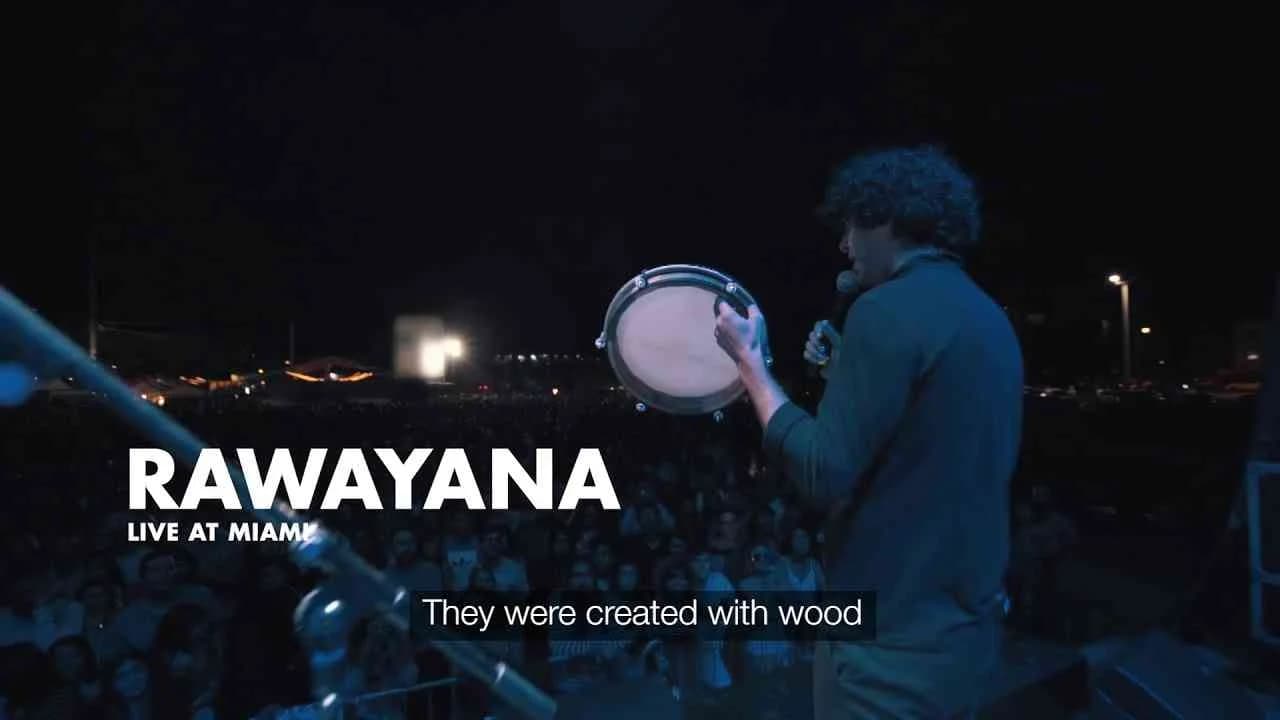
Medalla Light’s Instruments of Resilience, developed by DDB and released in 2018, stands as a defining example of a brand invoking cultural memory and collective healing in the food and drink sector by fusing product meaning with the emotional aftermath of disaster. Confronted by the devastation of Puerto Rico’s fallen trees after catastrophic storms, Medalla Light — an emblematic beer brand for the island — collaborated with local artisans to transform this debris into cuatros, panderos, bomba drums, and percussion sticks: the very tools of Puerto Rico’s musical heritage. By launching these Instruments of Resilience on international stages through live performances by acclaimed musicians, the campaign projected a clear message that the Puerto Rican spirit endures and regenerates, despite adversity. The chosen creative approach sits squarely within Clapboard’s FORMAT#9—Symbolize the Benefit, using the visual and material metaphor of rescued wood reborn as musical instruments to embody how Medalla Light champions hope and communal strength, rather than relying on traditional beer advertising tropes or direct consumption cues. Medalla Light positioned itself not simply as a beverage, but as a catalyst for social uplift, leveraging the deep, cross-cultural associations between music and healing. The film execution avoided overt commerciality and instead intertwined community identity, creative reclamation, and global visibility, effectively turning product relevance into a statement about shared perseverance and optimism. Rather than narrating a recovery, it enacted one: each note played on these instruments became a testament to recovery, a rhythmic proclamation that the forces threatening Puerto Rico’s forests could not mute its voice or creativity. With its emotionally resonant storytelling and seamless fusion of cultural symbology and brand purpose, this campaign distinguished Medalla Light in a crowded beer market, inviting audiences both local and international into a narrative of resilience anchored by tangible, participative artistry. The campaign earns 74/100 in Clapboard’s global creative archive. At a time when post-disaster narratives risk becoming transient headlines, Instruments of Resilience demonstrates how a beer brand can credibly shape, rather than simply sponsor, national restoration through the potent juncture of craft, culture, and strategic symbolism.
A World of Pure Imagination is Coming to NYC, New York Ci... - Charlie and the Chocolate Factory | Clapboard Ad Archive
A World of Pure Imagination is Coming to NYC stands as a strategically composed campaign for Charlie and the Chocolate Factory, launched in 2016 by agency AKA to ignite anticipation for the Broadway adaptation of Roald Dahl’s iconic tale. Tasked with translating the beloved universe of Willy Wonka from both page and film to stage, the campaign leans decisively into a FORMAT#12—Parody or Borrowed Format approach as identified in Clapboard’s creative taxonomy, spotlighting celebrated songs like Pure Imagination, The Candy Man, and I’ve Got a Golden Ticket to evoke powerful nostalgia and immediate cultural recognition among movie and musical theater audiences. The campaign’s core film work delivers a potent blend of visual wonder and storytelling, using the instantly familiar tropes—golden tickets, Oompa-Loompas, and fantastical inventions—to conjure the spectacle and joyous eccentricity that define the Charlie and the Chocolate Factory brand within the recreation and leisure market category. By infusing the creative with dynamic glimpses of the show’s new score from the songwriters of Hairspray, the campaign refreshes the property for a contemporary Broadway crowd while preserving everything enchanting about the original material, positioning the event as both a tribute and an irresistible new chapter for families and fans alike. Messaging throughout is direct and captivating, capitalizing on the public’s affection for the source material to drive engagement and direct traffic to CharlieOnBroadway.com for seamless access to tickets and further information, effectively supporting conversion and reinforcing the show’s imminent arrival as a marquee experience in New York’s theater landscape. The campaign employs two principal media assets, each tailored to function across varied digital ecosystem touchpoints, ensuring consistent brand recall and anticipation ahead of the show’s debut. Clapboard rates this 63/100. The campaign demonstrates how adept application of Parody or Borrowed Format strategies can transform a well-known intellectual property into a fresh cultural happening that energizes both nostalgia-driven and new audiences within the live entertainment sector.
Musical visiting card - Muzzone | Clapboard Ad Archive
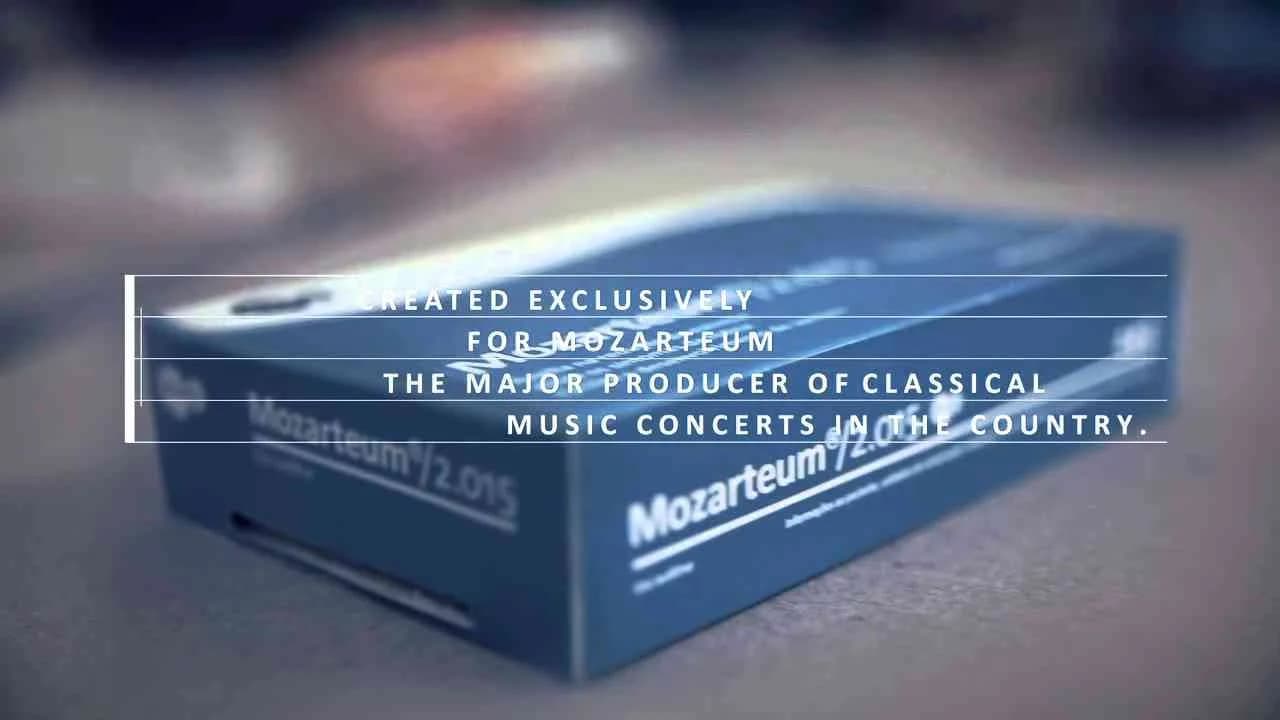
Muzzone’s Musical visiting card campaign, launched in Russia in 2014 by TDI Group, stands out as a masterclass in sensory-driven brand identity for the retail services category, leveraging a direct approach that sidesteps conventional advertising tropes in favor of a highly tactile and auditory brand interaction. The engine of its memorability is a seemingly simple yet strikingly innovative marketing device: a visiting card engineered to deliver a personalized musical experience, literalizing the brand’s core offering while engaging consumers’ senses beyond the visual norm of typical printed collateral. In an industry often characterized by transactional communications, Muzzone’s campaign decisively signals commitment to creative differentiation, using music not just as a genre cue but as a functional dimension of its customer touchpoints. By fusing audio with physical media, TDI Group created a piece of brand property that is inherently shareable and, crucially, difficult to ignore—an object that doesn’t merely transmit contact information but embodies the Muzzone brand promise at the very moment of introduction. The campaign’s lack of reliance on narrative or star power instead turns the spotlight on Muzzone’s one-of-a-kind brand DNA, crystallizing what Clapboard’s taxonomy would classify as FORMAT#11—Unique Personality Property, where the primary creative force emerges from a distinctive, inimitable feature of the product or service itself. This approach not only amplifies recall but also fosters an emotionally resonant brand relationship, as recipients of the musical visiting card experience an unexpected delight that transcends functional expectation and lingers in memory—precisely the kind of mental real estate that retail brands covet but seldom achieve via orthodox direct mail or promotional giveaways. The campaign earns 63/100 in Clapboard’s global creative archive. In an era where category noise can easily drown out genuine differentiation, Muzzone’s Musical visiting card demonstrates that retail brands willing to innovate at the sensory level can turn even the most prosaic brand artifacts into powerful vehicles for lasting customer engagement.
Guy and Girl - ONCE | Clapboard Ad Archive
ONCE’s 2014 campaign Guy and Girl, created by agency AKA for the recreation and leisure market, stands as a confident masterclass in narrative-driven advertising for Broadway, foregrounding the production’s core relationship and the transformative impact of music within a modern-day Dublin setting. With ONCE uniquely claiming the distinction of being the only Broadway musical to secure an Academy Award, Grammy Award, Olivier Award, and Tony Award for its music, the campaign leverages this unparalleled reputation to position the show as essential cultural viewing. What Clapboard’s taxonomy would classify as FORMAT#5—Exemplary Story, the commercial spotlights the central arc of Guy, a musician who has lost faith in both art and love, and Girl, the quietly determined figure whose presence reignites his belief in both. The film medium enhances the emotional authenticity at play, seamlessly fusing clips of evocative performances, intimate character exchanges, and the haunting Oscar-winning score that resonates with viewers long after the spot ends. Rather than relying on features, theater testimonials, or heavy-handed calls to action, the campaign lets the story take center stage, echoing ONCE’s ability to draw audiences in from the very first note and hold them through to its final, cathartic chord. The creative work reinforces ONCE’s enduring critical acclaim—praised by the New York Post as a show earning its ovations with substance over spectacle—and instead of rote promotion, it extends an invitation: experience a romance and a musical journey that, true to its title, only comes once. By championing a premium narrative and emotional authenticity, the ONCE campaign demonstrates the persuasive power of art-driven storytelling in driving leisure market engagement. The campaign earns 58/100 in Clapboard’s global creative archive. For the industry, Guy and Girl exemplifies how Broadway marketing succeeds when it builds desire not with superlative claims but by inviting audiences to witness the emotional stakes—and potential for transformation—at the core of its offering.
McRib Rock Opera - McDonald's | Clapboard Ad Archive
McDonald’s McRib Rock Opera campaign, launched in the United States in 2016 and conceived by Cossette, delivers a strikingly theatrical approach to food marketing by framing the cultish return of the McRib within a full-blown rock opera experience—positioning the sandwich’s fleeting reappearance as an epic, tongue-in-cheek saga rather than a routine product push. In a market flooded with earnest product claims and linear storytelling, McDonald's leans hard into entertainment, leveraging the cultural cachet and exaggerated drama of the rock opera format to create a brand moment that feels both knowingly ridiculous and genuinely engaging. This approach sits squarely in what Clapboard’s taxonomy identifies as FORMAT#12—Parody or Borrowed Format, drawing heavily on audiences’ familiarity with over-the-top musical storytelling to both parody and homage the genre with bombastic performances, melodic earnestness, and comedic self-awareness. The film medium is the engine for a single, high-concept media asset in which the sandwich’s mystique takes center stage, inviting fans new and old to revel in absurdity that ultimately amplifies McDonald’s positioning as a brand unafraid of bold creative risks and joyful irreverence. By borrowing pop culture’s most outsize musical tropes and recontextualizing them for a fast-food icon, Cossette ensures the campaign isn’t just a product announcement but an event—a reason for fans to watch, share, and discuss the McRib in an entirely new light. This is pure fan service at a meta level, aimed at deepening the emotional bond between the audience and an already beloved LTO, and it underscores a larger industry trend of brands moving beyond product demonstration to cultural participation. The campaign earns 61/100 in Clapboard’s global creative archive. In a highly competitive food and drink landscape, McDonald’s McRib Rock Opera signals the power of irreverent, genre-bending storytelling to keep even the most familiar products culturally vital and creatively relevant.
The single release - Popaganda Music Festival | Clapboard Ad Archive
The Single Release for Popaganda Music Festival marked a sharp digital pivot in Sweden’s music and leisure marketing for the year 2016, as Saatchi & Saatchi reimagined the archetype of a music industry single drop, deploying it as a strategic campaign platform to drive social interaction and brand engagement. Developed as a targeted experiment in social media storytelling, the work skillfully adapted the universally familiar pattern of a single release—complete with the anticipation, announcement, and payoff that music fans associate with drops from their favorite artists—and aligned the buildup around Popaganda’s own brand property. This concept, which Clapboard’s taxonomy would classify as FORMAT#12—Parody or Borrowed Format, channels the intrinsic narrative power and cultural currency of the music launch phenomenon, allowing Popaganda Music Festival to move beyond conventional leisure marketing into a realm where event promotion is experienced as creative entertainment in itself. The digital-first approach leveraged the immediacy and interactivity of online platforms, not simply to inform but to simulate the emotional cadence of a musical event, positioning the festival as both instigator and curator of pop culture moments. With minimal assets and a precise focus, The Single Release foregrounded adaptive content creation—testing how far a brand could stretch the boundaries of engagement through contextual relevance rather than traditional advertising surplus. Saatchi & Saatchi’s manipulation of the established single release framework offered a familiar yet recontextualized touchpoint for Swedish audiences, underscoring how agencies can construct brand narratives that move with the rhythms of youth-driven cultural appetite. Rather than claim mass reach, the campaign concentrated on sparking authentic niche relevance, using its digital medium to provoke participatory fandom and foster new modalities of interaction between Popaganda Music Festival and its evolving audience. The case is an incisive example of how recreating a pop culture format can serve both as creative shorthand and as a disruptive catalyst for renewed audience engagement within the saturated leisure sector. Clapboard rates this 56/100. The campaign matters as a study in how borrowing and remixing pop culture mechanics can help festivals transform passive promotion into culturally resonant experiences, especially as the battle for share of attention continues to intensify in the recreation and leisure industry.
Tokyo culture story - Beams | Clapboard Ad Archive
Beams’ Tokyo Culture Story campaign, conceived with agency partner Hakuhodo and released in Japan’s retail sector in 2016, stands as the world’s first five-minute music video to traverse four decades of Tokyo fashion and music culture—a sweeping, immersive digital experience that fuses the evolution of urban style and sound into a seamless visual-pastiche narrative. Instead of conventional storytelling arcs or direct product showcases, the campaign positions Beams not just as a purveyor of apparel but as a cultural curator, deftly mapping the shifting tides of youth culture, subcultural identity, and creative expression that have defined Tokyo since the late 20th century. With a single media asset, the campaign employs associative and aspirational imagery to connect with viewers, encapsulating the urban, stylish, and culturally attuned profile of the Beams audience and inviting consumers to locate themselves within the vibrant flux of Tokyo’s sartorial and musical identity. This approach sits squarely in Clapboard’s FORMAT#10—Associated User Imagery, leveraging the technique of showing the archetype Beams user and building authentic audience connection through shared aspiration rather than overt symbolism or conventional narrative cues. The project’s digital-native execution enabled rich audience engagement and cemented Beams’ reputation as a forward-looking authority on Japanese urban culture, amplifying the brand’s role not only as a retailer but as a shaper and chronicler of the city’s creative heartbeat. Attuned to a generation for whom brand relevance is defined less by product endorsement and more by the cultural spaces a label occupies, the campaign’s five-minute runtime is freighted with references, transitions, and soundtracks capturing the nuances of Tokyo’s ever-evolving style tribes and musical affiliations—celebrating nostalgia but always aligning with modern creative codes. The synthesis of music and fashion within a single, compact piece of digital content signals a deliberate, media-savvy response to the way contemporary audiences consume and engage with cultural history, evoking personal memory while continually advancing Beams as a beacon of credibility and aesthetic leadership. Clapboard rates this 79/100. While retail brands have long sought cultural cachet, Tokyo Culture Story exemplifies how digital storytelling and authentic user association can transform a brand from influencer to genuine cultural architect.
.webp)
Creative Collaboration Platform: The Backbone of Modern Creative WorkWhat is a creative collaboration platform?Clapboard defines a creative collaboration platform as the operational core for today’s distributed creative teams. This is not a collection of digital collaboration tools stitched together; Clapboard’s system

Understanding the Creative Production MarketplaceWhat is a Creative Production Marketplace?Clapboard defines a creative production marketplace as a structured ecosystem where brands, agencies, and production talent converge to execute video, advertising, and branded content at scale. Unlike the legacy agency or freelanREAD FULL ARTICLE

The Urgent Need for a Creative Production Operating SystemWhy Traditional Creative Production Models Break DownClapboard sees the creative production landscape shifting under pressure. Content velocity is no longer a buzzword—it’s a mandate. Modern advertising demands relentless output across dozens of channels, each wREAD FULL ARTICLE
