



Varun Katyal | Founder, Clapboard
Varun Katyal is the Founder & CEO of Clapboard and a former Creative Director at Ogilvy, with 15+ years of experience across advertising, branded content, and film production. He built Clapboard after seeing firsthand that the industry’s traditional ways of sourcing talent, structuring teams, and delivering creative work were no longer built for the volume, velocity, and complexity of modern content. Clapboard is his answer — a video-first creative operating system that brings together a curated talent marketplace, managed production services, and an AI- and automation-powered layer into a single ecosystem for advertising, branded content, and film. It is designed for a market where brands need content at a scale, speed, and level of specialization that legacy agencies and generic freelance platforms were never built to deliver. The thinking, frameworks, and editorial perspective behind this blog are shaped by Varun’s experience across both the agency world and the emerging platform-led future of creative production. LinkedIn: https://www.linkedin.com/in/varun-katyal-clapboard/
When we talk about the art of cinema, we often highlight the importance of narrative, characters, and dialogue. However, one equally significant, yet less discussed aspect of filmmaking is lighting. In fact, the role of lighting in establishing the film's depth, tone, and storytelling cannot be overstated. This blog post will introduce a specific type of lighting technique - volumetric lighting, and discuss its cinematic importance.
Lighting, in essence, is the spine of cinematography. It can transform a scene, dictate the mood, and guide the audience's attention. A well-lit scene can communicate volumes about the plot, characters, and underlying themes of a movie. And amongst various lighting techniques, volumetric lighting holds a special place due to its ability to add depth and drama to the scenes.
Volumetric lighting, sometimes referred to as 'crepuscular rays' or 'god rays', is a visual phenomenon observed when a bright light source illuminates particles in the atmosphere, creating visible beams of light. You've probably noticed this effect in daily life when sunlight streams through a window on a dusty day, or when a flashlight is used in a foggy environment. In cinema, this technique is used to create a dramatic, almost ethereal visual effect that can add depth, establish mood, or guide the viewer's focus.
But why is volumetric lighting so important in cinematography? The answer lies in its ability to visually enhance three-dimensional space. When used effectively, volumetric lighting can make a flat image on screen appear as a three-dimensional space. It adds depth to the scene and makes it more visually appealing. Additionally, the beams of light can be used to guide the viewer's eye to a specific character or object, subtly directing attention within the frame.
Moreover, volumetric lighting plays a key role in establishing the mood and tone of a scene. A soft, diffused volumetric light might be used to create a serene, dreamlike atmosphere, while a harsh, focused beam could be used to evoke tension or drama. By manipulating the intensity, direction, and color of the light, filmmakers can evoke a wide range of emotions and reactions from the audience.
At Clapboard, we've seen firsthand how volumetric lighting can elevate a scene. Through careful planning and execution, this technique can be used to create stunning visual effects that enhance storytelling and engage the viewer. Whether it's creating a sense of depth in a vast landscape, highlighting an important character, or establishing a specific mood, volumetric lighting is a powerful tool in a filmmaker's arsenal.
In the upcoming sections, we'll dive deeper into the science behind volumetric lighting, its benefits, and techniques for creating this effect. We'll also provide examples of how this technique has been used effectively in cinema and offer tips for filmmakers interested in experimenting with volumetric lighting in their own projects.
A Cornerstone of Cinematic Visual Storytelling
Volumetric lighting, a cornerstone of cinematic visual storytelling, is a technique that brings an ethereal quality to film by creating visible beams of light. This effect, often referred to as "god rays," can transform a scene, adding a dramatic flair that captivates audiences. But what exactly is volumetric lighting, and how does it work?
At its core, volumetric lighting is about making light tangible. Unlike traditional lighting, which merely illuminates a scene, volumetric lighting interacts with particles in the air, such as dust, fog, or smoke, to create visible light paths. These light paths, or beams, appear as cones of light, adding a three-dimensional layer to the visual experience.
The visual characteristics of volumetric lighting are what make it so distinctive. You’ve likely seen scenes where shafts of light pierce through a canopy of trees in a forest, or rays of sunlight stream through a window in a dusty room. These beams are not just random; they are carefully crafted to enhance the narrative and mood of the scene. The interplay of light and shadow creates a dynamic composition, drawing the viewer’s eye and adding depth to the visual storytelling.
Atmospheric mediums play a crucial role in achieving volumetric lighting. Elements like fog, haze, or even dust particles in the air scatter light, making the beams visible to the naked eye. This scattering effect is what creates the magical quality of volumetric lighting. Without these particles, the light would pass through the scene unnoticed, losing its dramatic impact.
In practical terms, filmmakers often use fog machines or hazers to introduce these particles into a scene. The density of the fog or haze can be adjusted to control the intensity and visibility of the light beams. A denser medium will produce more pronounced beams, while a lighter application will create a subtler effect. This flexibility allows filmmakers to tailor the volumetric lighting to suit the scene's emotional tone and narrative needs.
Volumetric lighting is not just about creating pretty visuals; it serves a functional purpose in storytelling. It can guide the audience’s attention to a particular subject, highlight an important narrative element, or set the emotional tone of a scene. By manipulating light in this way, filmmakers can subtly influence how a scene is perceived, enhancing the overall impact of the narrative.
In summary, volumetric lighting is a powerful tool in the filmmaker’s arsenal. By understanding how light interacts with atmospheric particles, filmmakers can create visually stunning scenes that resonate with audiences. Whether you're aiming to evoke a sense of wonder, mystery, or drama, mastering volumetric lighting can elevate your storytelling to new heights.
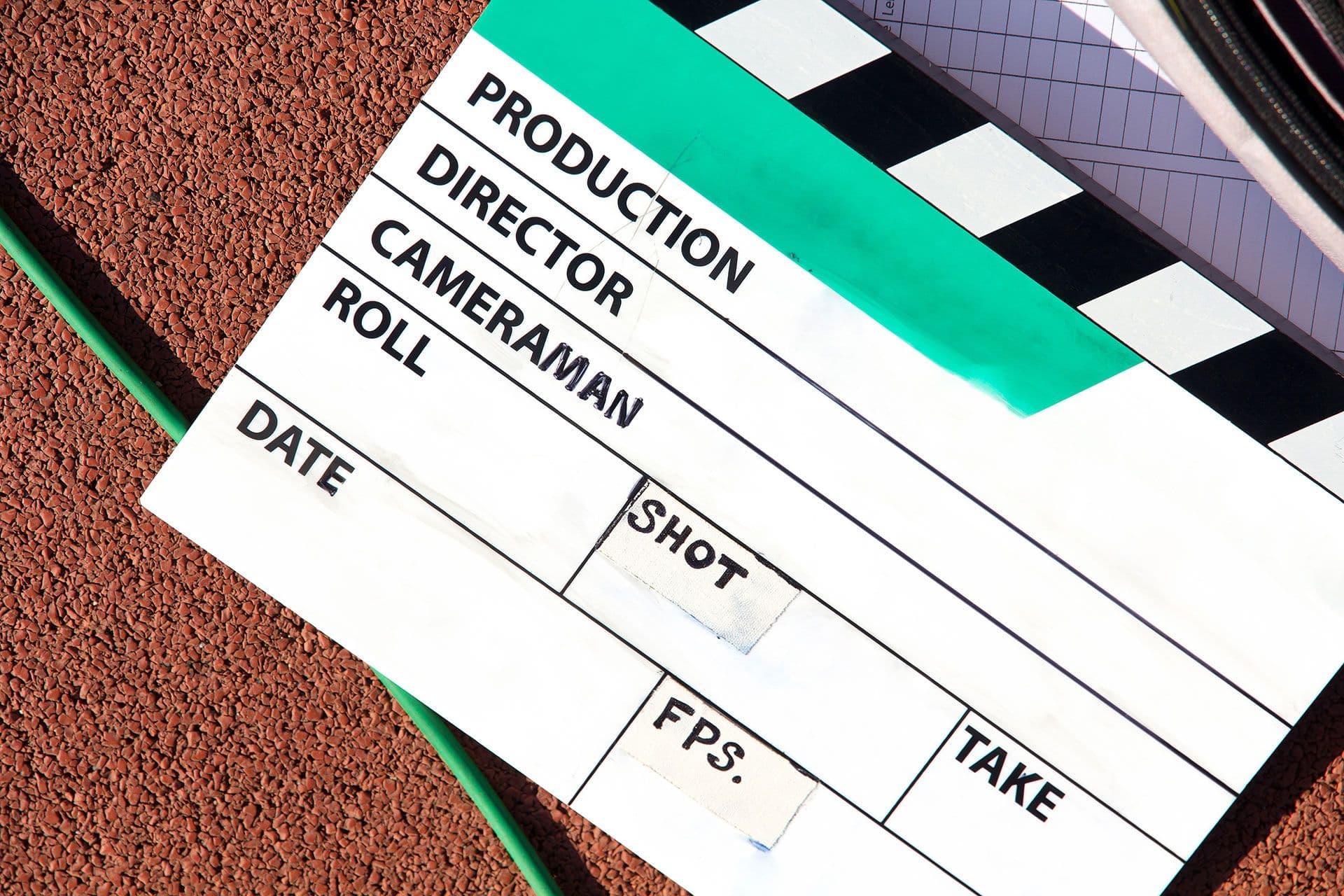
Light is not just a utility; it's a potent storytelling tool in the world of cinematography. When it comes to volumetric lighting, understanding the science behind it can help you manipulate light more effectively, creating stunning and emotionally resonant visuals. Let's take a deeper dive into the science behind volumetric lighting.
How light interacts with particles in the air
The magic of volumetric lighting comes from the way light interacts with the particles present in the air. When a strong light source illuminates these particles, it scatters, creating visible beams of light. This is the same principle that allows us to see shafts of sunlight filtering through a forest canopy or a dusty room.
Physics of light scattering and beam visibility
Light scattering, the key to volumetric lighting, is all about the interaction between light and particles. Light scatters in all directions when it hits tiny particles like dust, smoke, or water vapor. This scattered light can reach the viewer from different angles, creating the illusion of a light beam.
The visibility of these light beams depends on a few factors. The strength and directionality of the light source, the density and distribution of particles in the air, and the angle from which you view the light all play significant roles. By manipulating these variables, cinematographers can control the appearance and intensity of volumetric lighting effects.
Common sources and setups for volumetric effects
Creating volumetric lighting effects requires a strong, directional light source. This could be a powerful spotlight, a shaft of sunlight, or even a brightly lit window. The more focused and intense the light source, the more pronounced the volumetric effect will be.
Next, you need particles in the air for the light to interact with. This could be naturally occurring elements like dust or fog, or artificially introduced ones like theatrical smoke or haze. The key is to distribute these particles evenly in the path of the light to create a consistent, visible beam.
Finally, you need to consider the viewer's perspective. Volumetric lighting effects are most visible when you're looking towards the light source. By positioning the camera accordingly, you can capture the full glory of these light beams.
Ultimately, the science behind volumetric lighting is a tool to help cinematographers tell more compelling stories. By understanding and manipulating the physics of light, you can create breathtaking visuals that enhance the emotional depth and narrative impact of your films.
In the world of cinematography, volumetric lighting plays a pivotal role in enhancing the visual appeal of a scene. It not only boosts the spatial depth and three-dimensionality of the scene, but also significantly contributes to directing viewer attention and establishing the overall mood, tone, and atmosphere. This section will delve deeper into these key benefits of volumetric lighting in film.
Enhancing Spatial Depth and Three-Dimensionality
One of the primary benefits of volumetric lighting is its ability to enhance the spatial depth and three-dimensionality of a scene. When used effectively, this lighting technique can add a tangible sense of depth to a shot, making the scene feel more realistic and immersive. The beams, cones, and "god rays" of volumetric light create visually striking patterns that add a unique layer of depth and dimension to the scene. This can give the audience a more profound sense of being "in" the film, heightening their emotional engagement with the story.
Directing Viewer Attention Within the Frame
Volumetric lighting is also an effective tool for directing the viewer's attention within the frame. By strategically positioning light sources and controlling the intensity and direction of the light, filmmakers can guide the viewer's eye to specific elements or areas within the shot. This can help to emphasize important details, highlight key characters, or guide the narrative flow of the scene. In essence, volumetric lighting can be used as a visual guide that subtly directs the viewer's attention where the filmmaker wants it to go.
Establishing Mood, Tone, and Atmosphere
Another key benefit of volumetric lighting is its ability to establish the mood, tone, and atmosphere of a scene. Whether it's a haunting beam of light in a horror film, a warm, ethereal glow in a romantic scene, or a stark, dramatic shaft of light in a thriller, volumetric lighting can evoke a wide range of emotions and set the tone for the scene. The use of atmospheric mediums such as fog, haze, or dust can further enhance this effect, adding a layer of texture and depth that contributes to the overall mood and atmosphere.
In conclusion, volumetric lighting offers numerous benefits for filmmakers, from enhancing the spatial depth and three-dimensionality of a scene, to directing viewer attention, to establishing mood, tone, and atmosphere. By understanding and effectively utilizing this lighting technique, filmmakers can create visually stunning and emotionally engaging scenes that leave a lasting impression on the audience.

Creating volumetric lighting in cinematography requires a blend of technique, creativity, and a keen understanding of the interplay between light and atmosphere. This section will guide you through the key techniques to help you create stunning volumetric lighting effects in your film projects.
Choosing and Positioning Strong Single-Source Lights
Creating volumetric lighting starts with a strong, single-source light. This could be a spotlight or a directional lamp. The position of the light source is key to achieving the desired effect. Generally, the light source should be placed behind the subject, facing the camera. This backlighting technique helps to illuminate the particles in the air and create the visible beams of light we associate with volumetric lighting.
Using Haze, Fog, or Other Atmospheric Elements
Volumetric lighting is all about how light interacts with particles in the atmosphere. To create visible beams of light, you need something for the light to interact with. This could be naturally occurring elements like dust or fog, or you could use artificial haze. A haze machine can be an invaluable tool for creating volumetric lighting effects. Just remember, a little goes a long way. Start with a small amount of haze and gradually add more until you achieve the desired effect.
Shaping and Controlling the Light Beam
Once you have your light source and atmospheric elements in place, the next step is shaping and controlling the light beam. Tools like barn doors, flags, and gobos can be used to shape the light and create interesting patterns and effects. For example, a gobo with a window pattern can create the effect of light streaming through a window, even in a completely closed set. This technique, known as "cucoloris", is a powerful way to add depth and interest to your lighting.
Balancing Exposure and Texture
Balancing the exposure is crucial when working with volumetric lighting. Too much light can wash out the scene and make the volumetric effect less visible, while too little light may not fully illuminate the particles in the air. Start with a lower exposure and gradually increase it until you find the sweet spot. Additionally, consider the texture of the light. Hard light will create more defined light beams, while soft light will create a more diffuse effect. The right choice depends on the mood and atmosphere you want to create.
In conclusion, creating volumetric lighting is a complex process that requires careful planning and execution. But with a solid understanding of the techniques described above, you'll be well on your way to creating stunning volumetric lighting effects that add depth, mood, and visual interest to your cinematography.
Volumetric Lighting for Depth and Dimension
Creating a sense of depth and dimension in film can transform a simple scene into a captivating visual experience. Volumetric lighting plays a pivotal role in achieving this by accentuating the three-dimensional space within a frame. By strategically using light to interact with particles in the air, filmmakers can craft scenes that feel both immersive and dynamic.
Strategies for Accentuating Three-Dimensional Space
One of the most effective strategies for enhancing depth is to use volumetric lighting in conjunction with atmospheric elements such as haze or fog. This combination allows light beams to become visible, creating a tangible sense of space. Here are some strategies to consider:
- Layering the Scene: Introduce different layers of light and shadow to separate foreground, midground, and background. This not only highlights the spatial arrangement but also guides the viewer’s eye through the scene.
- Creating Light Paths: Use beams of light to carve paths through the frame, leading the audience's gaze and adding a sense of movement. This technique can be especially effective in action sequences or when transitioning between scenes.
- Varying Light Intensities: Experiment with different intensities and colors of light to create contrast and emphasize different planes within the scene. This variation can help to establish a hierarchy of visual importance.
Examples of Scenes Benefiting from Volumetric Depth
Volumetric lighting can dramatically enhance various types of scenes. Consider a suspenseful hallway scene where shafts of light pierce through dusty air, heightening tension and anticipation. Or imagine a serene forest at dawn, where soft rays filter through the mist, creating a magical, otherworldly atmosphere. In both cases, the volumetric effects not only enhance the visual appeal but also contribute significantly to the narrative tone.
Engaging the Audience Visually
Engagement is key in filmmaking, and volumetric lighting is a powerful tool to achieve it. By manipulating light and shadow, filmmakers can create a visual journey that keeps the audience intrigued. Here are some tips to engage viewers through volumetric lighting:
- Dynamic Movement: Use moving light sources or shifting atmospheric elements to create dynamic changes in the scene. This keeps the audience visually engaged as they follow the evolving light patterns.
- Highlighting Details: Direct light beams to focus on specific details within the frame, such as a character’s expression or an important object. This draws the viewer’s attention and enhances storytelling.
- Creating Mood and Emotion: Adjust the density and color of the haze to reflect the emotional tone of the scene. Warm tones can evoke comfort and nostalgia, while cooler hues might suggest mystery or tension.
Ultimately, the magic of volumetric lighting lies in its ability to transform two-dimensional images into rich, immersive experiences. By effectively employing this technique, filmmakers can craft scenes that are not only visually stunning but also emotionally resonant, drawing the audience deeper into the story.
Guiding the Audience’s Eye with Light
In the world of cinematography, guiding the audience's gaze is a subtle yet powerful tool. Volumetric lighting can be your secret weapon in this endeavor, as it allows you to sculpt the scene and direct attention with precision. Here, we delve into some techniques that leverage beams of light to highlight subjects or details, ensuring your storytelling is both visually compelling and narratively clear.
Using Beams to Highlight Subjects or Details
The strategic use of light beams is like wielding a spotlight on stage. In film, these beams can be used to emphasize a character, object, or crucial detail within the frame. By positioning a strong directional light source behind haze or fog, you can create stunning visual effects that naturally draw the viewer's eye to the focal point of the scene.
Consider a scene where a character stands in a dimly lit room with a single beam of light cutting through the haze to illuminate their face. This technique not only highlights the subject but also imbues the scene with an aura of mystery or revelation, enhancing the emotional weight of the moment.
Compositional Techniques for Focus and Emphasis
When using volumetric lighting to guide attention, composition plays a crucial role. Here are a few compositional techniques to consider:
- Leading Lines: Use the directional quality of light beams as leading lines to guide the viewer's eye towards the subject. These lines can create a path through the scene, ensuring the audience knows exactly where to look.
- Contrast and Isolation: By isolating the subject with light while keeping the surrounding areas in shadow, you create a natural contrast that emphasizes the illuminated elements. This technique is particularly effective in creating tension or focus within a scene.
- Symmetry and Balance: Employing symmetrical beams on either side of a subject can create a balanced composition that subtly draws attention to the center, where the primary action or emotion unfolds.
Practical Tips for Directing Attention in a Shot
Implementing volumetric lighting to guide attention requires both creativity and technical acumen. Here are some practical tips to get you started:
- Experiment with Light Angles: Adjust the angle of your light source to see how different beam paths affect the focus within the frame. Sometimes a slight tilt can make all the difference in directing attention.
- Control the Density of Atmosphere: The amount of haze or fog can dramatically influence the visibility and intensity of the light beams. Play with different densities to achieve the desired level of subtlety or drama.
- Use Color to Differentiate: Introducing colored gels to your light source can help differentiate various elements within a scene, adding layers of meaning and guiding the audience's eye more effectively.
- Test and Adjust: Always test your lighting setup before shooting. Small adjustments in light intensity, angle, or atmospheric conditions can have a significant impact on the final look and feel of the scene.
By mastering these techniques, you not only enhance the visual storytelling of your film but also engage your audience more deeply, ensuring that every glance and gaze is precisely where you intend it to be.
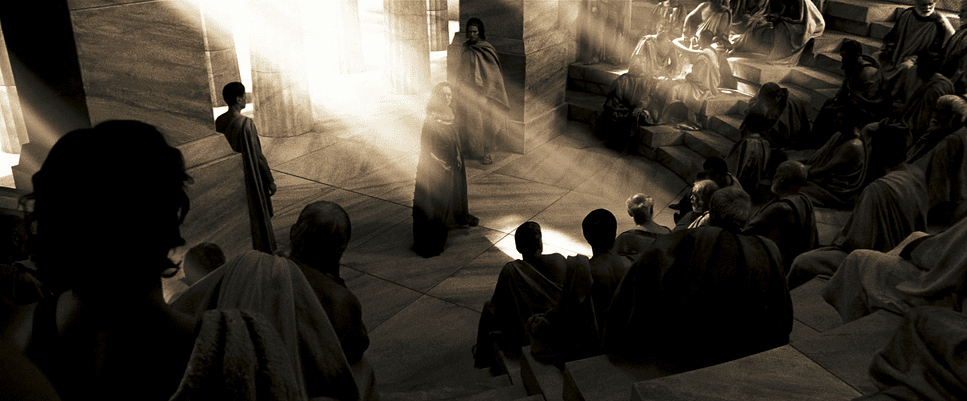
Setting the tone and aesthetic of a film or video can be achieved in a myriad of ways. One of the most effective and visually striking methods is through the use of volumetric lighting. This unique lighting technique can create an array of moods, ranging from eerie and mysterious to warm and inviting. In this section, we'll delve into how you can set the tone and establish a distinctive visual style for your productions using volumetric lighting.
Creating Specific Moods for Different Genres
Each genre has its own unique aesthetic, and volumetric lighting can play a significant role in establishing this. For instance, in a horror film, volumetric lighting can be used to create a sense of fear and unease. The beams of light piercing through the darkness can highlight the unknown, making the audience feel on edge. On the other hand, in a romantic film, the same lighting technique can create a soft, dreamy atmosphere that enhances the emotional depth of the scene.
It's all about understanding the mood you want to convey and then using volumetric lighting to reinforce this. Different combinations of light intensity, color, and direction can elicit a wide range of emotions from the audience, making this technique incredibly versatile.
Textural and Exposure Considerations
The texture and exposure of your scene can also be greatly influenced by volumetric lighting. The way light interacts with particles in the air can add a layer of texture to your shots, making them more visually interesting. This can be particularly effective in genres such as film noir, where the interplay between light and shadow can create a moody, atmospheric scene.
When it comes to exposure, volumetric lighting can help balance the light and dark areas of a scene. By using a strong single-source light and introducing atmospheric elements like fog or haze, you can create beams of light that cut through the darkness, effectively controlling the exposure of your shot.
Establishing a Signature Visual Style
Lastly, volumetric lighting can be a powerful tool in establishing a signature visual style. By consistently using this lighting technique throughout your film or video, you can create a distinctive look and feel that sets your work apart from others. This is particularly important in a saturated media landscape where standing out can be a challenge.
Whether you're aiming for a gritty, high-contrast look or a soft, ethereal aesthetic, volumetric lighting can be tailored to match your vision. The key is to experiment with different lighting setups and atmospheric elements until you find a combination that aligns with your creative goals.
In conclusion, volumetric lighting is a powerful tool in a filmmaker's arsenal, offering endless possibilities for setting the tone and aesthetic of your productions. With a bit of practice and experimentation, you can harness the power of this technique to create visually stunning and emotionally resonant scenes.
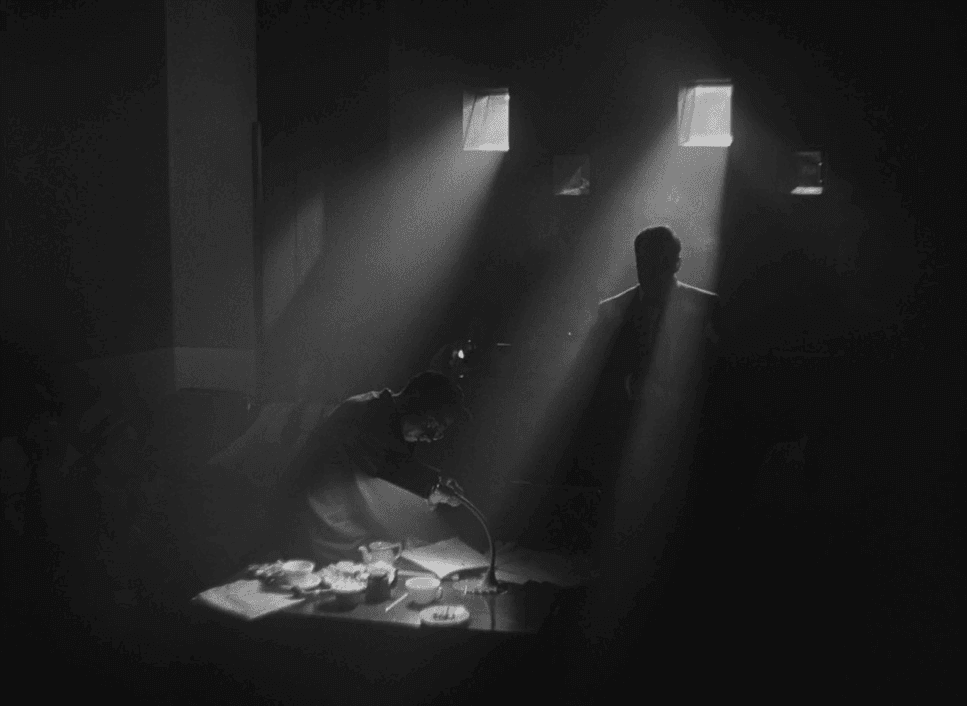
Notable Uses and Inspiration in Cinematography
Volumetric lighting is a powerful tool in the arsenal of cinematographers, helping to create iconic and memorable scenes that linger in the minds of audiences. Let's explore some original examples of films and scenes that showcase impactful volumetric lighting, delve into contemporary innovations, and spark ideas for experimenting with this technique in future projects.
Iconic Examples of Volumetric Lighting
Consider a classic film scene where shafts of light pierce through a dusty old church, casting ethereal beams across the pews. This kind of imagery is often achieved through volumetric lighting, which adds a layer of spiritual or otherworldly ambiance. Another powerful example is in scenes set in fog-laden forests where light filters through the trees, creating a mystical atmosphere. These examples highlight how volumetric lighting can transform simple settings into visually compelling environments.
Innovations by Contemporary Cinematographers
Contemporary filmmakers continue to push the boundaries of volumetric lighting, employing it in creative ways to enhance storytelling. For instance, in science fiction films, volumetric lighting is used to depict futuristic environments where light behaves in unexpected ways, emphasizing the advanced technology of the setting. In horror films, it can be used to create tension, with beams slicing through the darkness to reveal just enough to keep the audience on edge.
Cinematographers are also experimenting with colored volumetric lighting, adding hues that complement the emotional tone of a scene. Imagine a dramatic showdown bathed in a red haze, signaling danger or passion, or a serene moment suffused with soft blue beams, conveying tranquility or melancholy.
Experimenting with Volumetric Lighting
If you're looking to incorporate volumetric lighting into your projects, consider these ideas:
- Mixing Natural and Artificial Elements: Try combining natural fog or dust with artificial lighting to create complex textures and layers in your scenes. This blend can add authenticity and depth to the visual narrative.
- Dynamic Lighting Changes: Experiment with shifting light sources during a scene to enhance drama or signify a change in mood. This technique can guide the audience’s emotional response and keep them engaged.
- Interactive Environments: Use volumetric lighting to interact with characters or objects. For instance, a character moving through a beam of light can create a tangible connection between them and the setting, emphasizing their presence and influence within the scene.
Volumetric lighting is not just a visual effect; it's a storytelling device that can evoke emotions and underscore themes. By studying notable uses and remaining open to innovation, filmmakers can harness this technique to create unforgettable cinematic moments. Whether you're aiming for subtlety or spectacle, volumetric lighting offers endless possibilities for visual exploration.
Conclusion
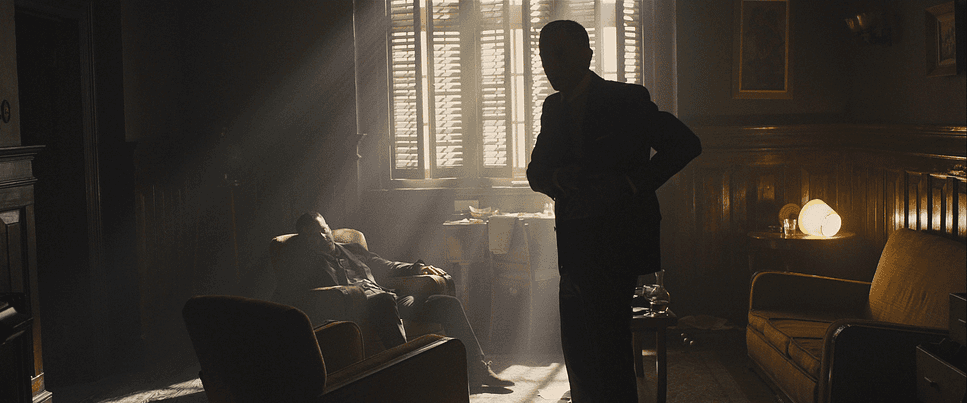
As we wrap up our exploration of volumetric lighting, it's clear that this technique holds a powerful place in the toolkit of filmmakers and cinematographers. By manipulating the interplay of light and atmospheric elements, volumetric lighting brings an additional layer of depth and emotion to a film, transforming the ordinary into something extraordinary.
Throughout this discussion, we've seen how volumetric lighting can enhance spatial depth, direct the viewer's attention, and establish mood and tone. The ability to create a three-dimensional feel and guide the audience's focus is invaluable, especially in a medium where every visual cue contributes to the storytelling process. Whether it's the ethereal "god rays" piercing through a forest canopy or the moody, shadow-laden beams illuminating a noir scene, volumetric lighting can turn a simple frame into a captivating visual narrative.
For filmmakers and cinematographers, the key takeaways are clear: volumetric lighting is not just a technical choice but a creative one. It offers a unique opportunity to play with light in a way that can dramatically alter the perception and impact of a scene. From choosing the right atmospheric elements to carefully positioning light sources, each decision contributes to crafting a visual style that resonates with audiences. These techniques are not just for enhancing the aesthetic appeal but also for reinforcing the story’s emotional core.
While we've covered the practical aspects of achieving these effects, it's important to remember that experimentation is at the heart of mastering volumetric lighting. Every film presents a new canvas, and with it, the opportunity to innovate and push boundaries. Whether you're working on a small independent project or a large-scale production, don't shy away from trying new setups and combinations. The beauty of cinematography lies in its endless potential for creativity and expression.
Finally, we encourage you to continue exploring and experimenting with volumetric lighting. Consider how this technique can be integrated into your next project, and think about the unique ways it can be used to enhance your storytelling. As you develop your skills and style, remember that the most memorable cinematic moments often come from daring choices and a willingness to explore the unknown.
In closing, volumetric lighting is more than just a visual effect—it's a storytelling tool that can elevate your film to new artistic heights. Embrace it, experiment with it, and let it illuminate your creative vision. We look forward to seeing how you harness the power of light to tell your stories in the most compelling ways.
FAQs
1. What is the role of volumetric lighting in storytelling?
Volumetric lighting plays a significant role in storytelling by enhancing spatial depth, directing viewer attention, and establishing the mood or atmosphere of a scene. It can create a dramatic or subtle impact, depending on how it's used.
2. What are the visual characteristics of volumetric lighting?
The visual characteristics of volumetric lighting include visible light beams, cones, and "god rays". These are created through the interaction of light with atmospheric particles such as fog, haze, or dust.
3. How does light interact with particles in the air to create volumetric effects?
The science behind volumetric lighting involves the interaction of light with particles in the air. This interaction leads to light scattering, making the light beams visible, and creating the volumetric effect.
4. What are the key benefits of using volumetric lighting in film?
Volumetric lighting enhances spatial depth and three-dimensionality, directs viewer attention within the frame, and establishes mood, tone, and atmosphere. It's a versatile technique that can add significant visual impact to a scene.
5. What are some techniques for creating volumetric lighting?
Creating volumetric lighting involves choosing and positioning strong single-source lights, using haze, fog, or other atmospheric elements, shaping and controlling the light beam, and balancing exposure and texture.
6. How does volumetric lighting contribute to depth and dimension in a scene?
Volumetric lighting accentuates three-dimensional space, making scenes appear more realistic and engaging. It can be used strategically to enhance the depth and dimension of specific scenes or details within the frame.
7. Can volumetric lighting guide the audience's attention?
Yes, volumetric lighting can be used to highlight subjects or details and guide the audience's eye. By carefully controlling the direction and intensity of light beams, filmmakers can direct viewer attention within a shot.
8. How does volumetric lighting influence the tone and aesthetic of a film?
Volumetric lighting plays a crucial role in setting the tone and aesthetic of a film. It can create specific moods for different genres and help establish a signature visual style. Textural and exposure considerations also play a part.
9. Are there notable uses of volumetric lighting in cinematography?
Yes, many films have used volumetric lighting to create impactful scenes. Contemporary cinematographers often innovate with this technique to bring a unique visual style to their work.
10. Can I experiment with volumetric lighting in my projects?
Absolutely! Volumetric lighting can be a powerful tool for enhancing your cinematography. Don't hesitate to explore and experiment with different volumetric techniques in your projects.
.webp)
Creative Collaboration Platform: The Backbone of Modern Creative WorkWhat is a creative collaboration platform?Clapboard defines a creative collaboration platform as the operational core for today’s distributed creative teams. This is not a collection of digital collaboration tools stitched together; Clapboard’s system

Understanding the Creative Production MarketplaceWhat is a Creative Production Marketplace?Clapboard defines a creative production marketplace as a structured ecosystem where brands, agencies, and production talent converge to execute video, advertising, and branded content at scale. Unlike the legacy agency or freelanREAD FULL ARTICLE
The Urgent Need for a Creative Production Operating SystemWhy Traditional Creative Production Models Break DownClapboard sees the creative production landscape shifting under pressure. Content velocity is no longer a buzzword—it’s a mandate. Modern advertising demands relentless output across dozens of channels, each wREAD FULL ARTICLE

JOIN THE NEWSLETTER.
Content Production insights, videos, books, and freebies, delivered to your inbox weekly


LEAVE A COMMENT
Your email address will not be published.