- HOME
- FOR CLIENTS
- FOR FREELANCERS
- LOGIN
BLOG
New user? Create account


Varun Katyal is the Founder & CEO of Clapboard and a former Creative Director at Ogilvy, with 15+ years of experience across advertising, branded content, and film production. He built Clapboard after seeing firsthand that the industry’s traditional ways of sourcing talent, structuring teams, and delivering creative work were no longer built for the volume, velocity, and complexity of modern content. Clapboard is his answer — a video-first creative operating system that brings together a curated talent marketplace, managed production services, and an AI- and automation-powered layer into a single ecosystem for advertising, branded content, and film. It is designed for a market where brands need content at a scale, speed, and level of specialization that legacy agencies and generic freelance platforms were never built to deliver. The thinking, frameworks, and editorial perspective behind this blog are shaped by Varun’s experience across both the agency world and the emerging platform-led future of creative production. LinkedIn: https://www.linkedin.com/in/varun-katyal-clapboard/


Effective influencer media kit evaluation starts with the basics: biography, verified social handles, and clear metrics. A strong biography isn’t fluff — it’s a positioning statement. It should clarify the influencer’s audience, core values, and what sets their personal brand apart. This context shapes whether their following aligns with your target market or campaign objectives.
Social account links and verified handles are non-negotiable. They provide instant legitimacy and a direct route to audit the influencer’s presence. If a media kit omits this, treat it as a red flag. You’re not just buying reach; you’re buying access to a real audience, not inflated numbers or ghost followers.
The next checkpoint on your media kit checklist is the influencer portfolio. Look for curated content samples that showcase range, production quality, and creative style. This isn’t about aesthetic perfection — it’s about proven ability to deliver brand messages in a way that resonates. A credible influencer will include case studies or at least short narratives of past collaborations, ideally with performance outcomes. This is where you separate talk from track record.
Metrics matter, but context is everything. Expect transparent data: follower count, average engagement rates, and reach per channel. Numbers without benchmarks or recent timeframes are meaningless. Serious influencers will break down their audience demographics, giving you the information needed to assess fit. If you’re planning a multi-market campaign, granular data by region or language is a mark of professionalism.
Finally, a professional kit closes with rate cards and direct contact details. Rates should be clear, not coy. If negotiation is on the table, you want to know the starting point. Direct contact — not just a generic form — signals a readiness for business. These are the brand collaboration essentials that streamline evaluation and decision-making.
Influencer media kit evaluation is no longer a tick-box exercise—it’s a frontline filter for any credible influencer marketing strategy. As brands pivot from traditional advertising to influencer-driven campaigns, the stakes have changed. The days of partnering on follower counts or gut instinct are over. Today, a media kit isn’t just a résumé; it’s a window into an influencer’s real audience, their performance track record, and their fit for your brand’s objectives.
Every effective influencer selection process starts with the media kit. It’s the first hard data point in a world where hype and perception often outpace reality. An informed evaluation reveals not just reach, but relevance—demographics, engagement rates, content formats, and platform strengths. This granular view is essential for aligning your digital partnerships with campaign KPIs and target audiences. Skipping this step is like greenlighting media spend without a media plan.
Thorough assessment of influencer media kits is foundational for brand safety and campaign effectiveness. It exposes red flags early—inauthentic engagement, misaligned values, or audience mismatches—before they become expensive mistakes. It also surfaces strategic opportunities: niche audiences, proven conversion metrics, or creative formats that can be leveraged for differentiation. The right evaluation process transforms influencer selection from a gamble to a calculated, data-driven decision.
Omitting media kit evaluation is a risk few brands can afford. In a landscape crowded with self-proclaimed creators, due diligence is your only safeguard against wasted spend and brand missteps. It’s not about slowing down the process; it’s about protecting investment and ensuring every digital partnership is built on substance, not surface. In modern marketing, influencer media kit evaluation isn’t optional—it’s operational discipline.
Influencer media kit evaluation starts with a forensic look at audience demographics. Age, gender, and location aren’t just checkboxes—they’re the hard filters for campaign viability. Senior marketers should insist on raw, recent data. If your brand’s sweet spot is women 25–34 in metro markets, anything less than a 40% overlap is a red flag. Between 20–40% is negotiable, but you’ll need a tailored activation plan. Below 20% means you’re buying reach, not relevance, and that’s a different play entirely (InfluenceFlow, 2025).
Audience fit assessment goes deeper than demographics. Niche fit is about psychographics—what the audience actually cares about, not just who they are. Scan the media kit for interest clusters and content themes. Does the influencer’s editorial voice land with your category’s core motivations? If you’re a performance brand, you want audiences who respond to action, not just passive scrolls. This is where most media kits overpromise and underdeliver. Look for tangible proof: engagement rates on relevant content, not just aggregate stats.
Brand-influencer alignment is only real if the audience is both authentic and engaged. The era of buying follower numbers is dead—63% of brands now prioritise authenticity over raw reach (Brandwatch study cited by InfluenceFlow, 2025). Scrutinise engagement quality: are followers genuinely interacting, or is it the hollow churn of bots and pods? A credible influencer media kit should include audience authenticity metrics, not just vanity numbers. Finally, connect all of this back to your target market analysis. If the influencer’s following doesn’t mirror your ideal customer profile, move on—no matter how glossy the presentation.
The most effective brand targeting strategies are built on disciplined influencer media kit evaluation. When the numbers, interests, and engagement align, you get more than impressions—you get impact.
Influencer content evaluation starts with understanding what “quality” really means for your brand. A credible media kit should showcase content that’s not just visually sharp, but also strategically relevant. Look for formats that fit your campaign objectives—reviews, how-tos, day-in-the-life, or product integrations. Off-the-cuff posts might drive engagement, but polished, well-produced pieces signal a higher level of intent and professionalism. Assess the presence of storytelling, not just surface-level visuals. If the media kit is a highlight reel of viral moments without substance, that’s a red flag.
Visual style assessment is more than a gut check. Scrutinize the presentation: Are the images crisp? Is the layout clean and easy to navigate? Are verification badges present? These details matter—they signal credibility and attention to detail (InfluenceFlow, 2025). Next, benchmark the influencer’s style against your own brand’s visual identity. If their tone, palette, or pacing jars with your guidelines, integration will be forced and ineffective. Consistency in lighting, framing, and editing is non-negotiable for campaigns that demand recognisable, on-brand output. Anything less is a risk to brand equity.
Content consistency is where many influencer partnerships unravel. Don’t take the media kit at face value—cross-reference follower counts, post frequency, and engagement metrics with actual platform data. A discrepancy of more than 10% is a warning sign (InfluenceFlow, 2025). Examine their posting cadence and messaging: Is there a clear rhythm, or is it erratic? Are brand mentions handled with the same care as organic content? Inconsistencies here suggest unreliability, which can undermine even the most creative campaign.
Finally, look for alignment between the influencer’s narrative style and your brand’s values. Do they speak to their audience in a way that resonates with your target market? If their language, references, or community culture feel off, move on. Effective influencer content evaluation is about filtering for both quality and reliability—because your campaign’s performance depends on both.
Engagement rate analysis is the first filter for influencer performance metrics. Don’t just take the topline figure—calculate it yourself. Divide total engagements by follower count, then benchmark that against industry averages and your campaign’s vertical. A high engagement rate in a stagnant or shrinking audience signals little; growth paired with steady engagement is a better indicator of real influence.
Metric authenticity matters. Scrutinize spikes in follower counts, sudden jumps in reach and impressions, or engagement ratios that defy platform norms. Look for consistent patterns over time, not just cherry-picked highlights. If the numbers look too good, demand raw data or third-party verification. Inflated metrics—bought followers, engagement pods—leave digital fingerprints: mismatched audience geographies, repetitive or generic comments, and erratic growth curves.
Effective performance metric interpretation starts with your campaign objectives. If you’re after awareness, prioritize reach and impressions, but dissect them by unique users, not just gross numbers. For conversion or consideration goals, engagement rate is critical—but only if it’s authentic and contextually relevant. Growth trends—follower increases tied to campaign windows—signal resonance. Always map metrics back to business impact, not vanity.
Ultimately, influencer performance metrics are only as valuable as your ability to interrogate them. Don’t accept surface-level stats; dig into engagement rate analysis, question metric authenticity, and always align data with your objectives. That’s how you turn numbers into leverage.
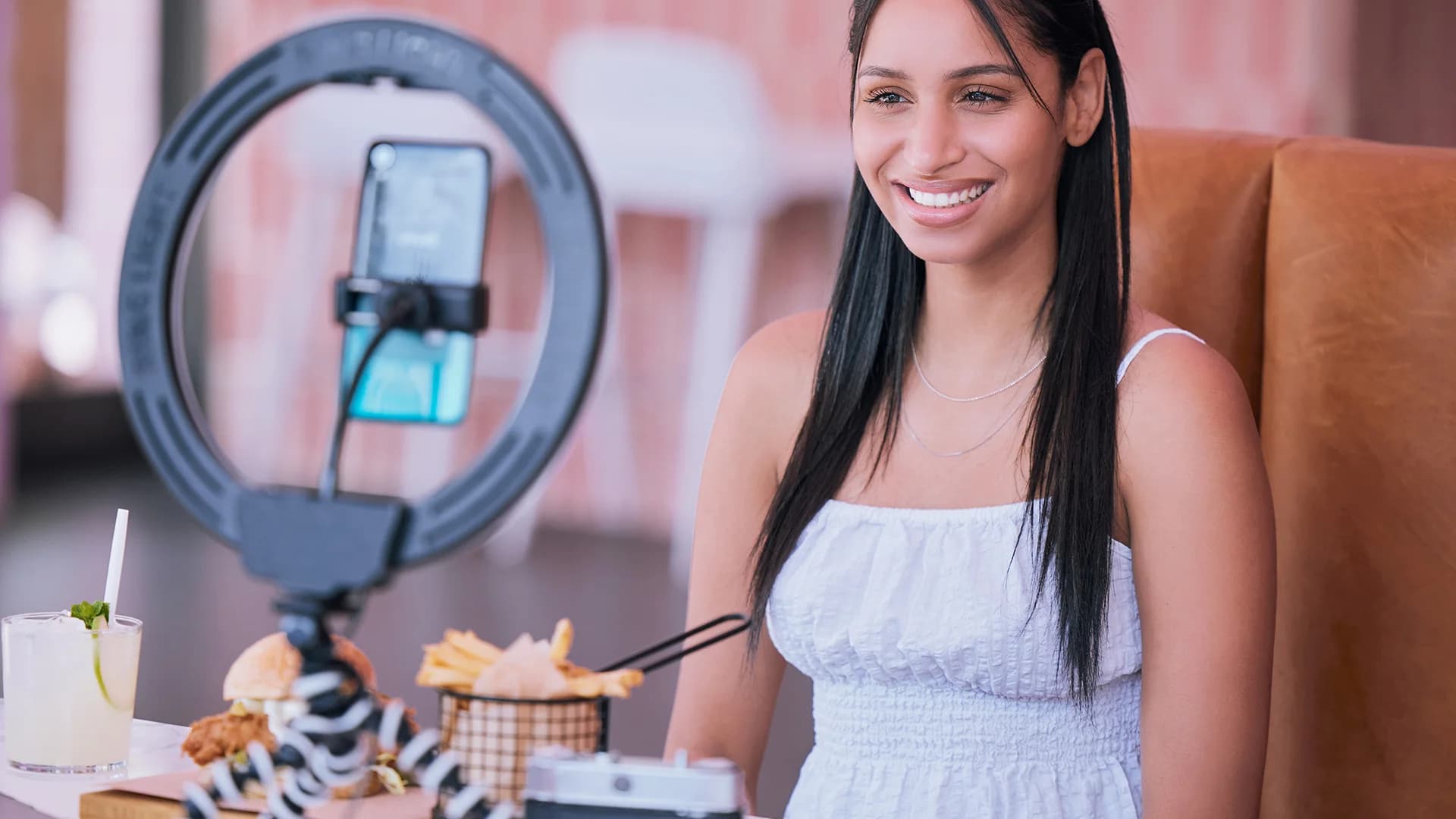
Nano and micro-influencer evaluation starts with audience size: typically, nanos have under 10,000 followers; micros range up to 100,000. Their scale is their strength. These creators build tighter communities, driving engagement rates that routinely eclipse those of macro or celebrity counterparts. For brands, this means more meaningful interactions and a higher likelihood of authentic advocacy—especially when targeting specific niches.
Media kits from smaller creators often reveal depth, not just breadth. Look beyond follower counts. Scrutinise engagement metrics, audience demographics, and the creator’s history of niche influencer partnerships. Is their content style aligned with your brand’s tone? Do they demonstrate consistent, credible engagement within your target market? A strong media kit from a nano or micro-influencer will showcase not only numbers, but also qualitative evidence of trust and relevance—testimonials, campaign recaps, and organic brand mentions. This is where small creator benefits become clear: agility, responsiveness, and a direct line to their audience.
For performance-driven campaigns, engagement trumps reach. A nano or micro-influencer’s smaller audience is offset by deeper relationships and higher interaction rates. When evaluating media kits, prioritise metrics like average comments per post, story reply rates, and share frequency over raw impressions. These are the signals of a community that pays attention—and acts. For brands with limited budgets, this translates to better ROI: lower cost per engagement, higher conversion potential, and the ability to test creative approaches without the overhead of large-scale partnerships.
Ultimately, nano and micro-influencer evaluation is about identifying high-value, low-noise opportunities. The smart play isn’t chasing the biggest audience, but leveraging the right voice in the right community. For marketers willing to look past surface metrics, small creators offer a sharper edge and a more accountable path to measurable results.
Effective influencer media kit evaluation starts with skepticism. The most obvious red flag is data that looks too good to be true. Sky-high engagement rates, suspiciously round follower counts, or platform reach numbers that don’t align with industry benchmarks all signal potential manipulation. If every metric is a perfect ten, assume something’s off until proven otherwise.
Inauthentic influencers often pad their numbers with purchased followers or engagement pods. Look for sudden spikes in follower growth, inconsistent engagement patterns, or a comment section full of generic praise. Dig deeper: ask for platform analytics screenshots, not just self-reported stats. Cross-reference their audience breakdown with your campaign’s target market—misaligned geographies or demographics should raise eyebrows.
One recurring pitfall is mistaking polish for substance. A slick PDF is meaningless if the content is vague or incomplete. Watch for media kits that omit key data points: audience demographics, past campaign results, or even basic contact details. If the kit is all style and no substance, request more information or move on.
Lack of transparency is another warning sign. If an influencer hesitates to share raw data, case studies, or references, that’s a signal to pause. Brands should never accept surface-level claims—verification is non-negotiable. Ask for recent campaign screenshots, platform insights, or even third-party analytics access. If the influencer pushes back, consider it a dealbreaker.
The final trap: evaluating in isolation. Don’t review a media kit without context. Always compare with your influencer vetting checklist and look for consistent alignment. Use your own benchmarks, not theirs, to assess value. If you spot any of these red flags in media kits, don’t rationalize them away—address them directly or walk away. The cost of ignoring these signals is wasted budget and lost credibility.
Influencer partnership best practices start with clarity. Brands must define campaign objectives, KPIs, and deliverables up front. This isn’t about micromanaging creative output—it's about providing a framework that aligns influencer content with commercial goals. The most effective partnerships clarify timelines, approval processes, and reporting expectations from day one.
Set the rules of engagement without stifling creativity. Share detailed briefs that outline non-negotiables—brand voice, compliance requirements, and mandatory messaging—while leaving room for the influencer’s authentic perspective. The best collaboration guidelines are specific about boundaries but flexible on execution. This balance drives genuine engagement and reduces the risk of off-brand outcomes.
One-off campaigns deliver reach; ongoing strategic influencer relationships deliver value. Invest in transparent communication and feedback loops. Schedule regular check-ins, not just post-campaign reviews. Use data from previous activations to inform future briefs and address friction points early. Influencers who feel heard and trusted become advocates, not just vendors.
Brand-influencer relationship building is a long game. The brands that win treat influencers as strategic partners, not interchangeable media channels. They invest in process, feedback, and creative latitude. The result: partnerships that deliver commercial impact, not just impressions.
Media kit evaluation is not a box-ticking exercise — it’s a strategic lever in any serious influencer marketing strategy. For senior marketers and creative leaders, this step determines whether a partnership is built on substance or surface-level impressions. The media kit remains the most direct lens into an influencer’s real value: audience quality, content performance, and professional reliability.
Neglecting a rigorous media kit checklist exposes brands to unnecessary risk. Superficial vetting leads to mismatched collaborations, wasted budget, and missed business objectives. Metrics can be manipulated, audience claims inflated, and creative samples cherry-picked. Without a disciplined approach to assessment, the influencer selection process becomes guesswork — and the cost of misalignment is paid in both reputation and results.
Brand-influencer alignment isn’t static. Audiences shift, platforms evolve, and performance data ages quickly. That’s why ongoing evaluation is non-negotiable. Treat the media kit as a living document, not a relic. Regularly revisit it to ensure continued audience fit assessment and to adapt influencer collaboration strategies as conditions change. This vigilance is what separates brands that drive measurable impact from those that simply chase trends.
In short, the media kit is the first—and ongoing—test of partnership potential. It’s where smart brands set the tone for accountability, transparency, and real business outcomes. Anything less is just noise.
An influencer media kit is a concise digital portfolio that showcases an influencer’s credentials, audience insights, and past campaign results. Its purpose is to give brands a clear, data-driven snapshot of the influencer’s value proposition—cutting through vanity metrics to focus on what actually drives outcomes.
Start with audience data: demographics, engagement rates, and platform breakdowns. Look for evidence of campaign performance—case studies, metrics, and client testimonials. Scrutinise for clarity and specificity; generic claims or inflated numbers are a red flag. The kit should demonstrate commercial awareness, not just personal branding.
Audience demographics determine whether an influencer can actually reach your target consumer. It’s not about follower count—it’s about the right eyes. Geographic, age, and interest data are non-negotiable for aligning influencer content with campaign objectives and maximising ROI.
A professional media kit should include: a clear bio, audience demographics, engagement rates, platform stats, previous brand collaborations, campaign case studies, and contact details. Anything less is incomplete. Anything more should add commercial context, not fluff.
Watch for vague numbers, missing audience data, or outdated metrics. Overly polished design without substance is another warning sign. If previous partnerships are omitted or engagement rates seem artificially high, dig deeper. Transparency is the baseline, not a bonus.
Nano and micro-influencers typically deliver higher engagement and more credibility within niche communities. Their smaller followings are often more loyal and responsive, translating to better conversion rates and cost efficiency—critical for brands chasing effectiveness, not just scale.
Set clear expectations, align on KPIs, and prioritise open communication. Respect the influencer’s creative process but demand accountability on deliverables and reporting. Sustainable partnerships are built on mutual value—not transactional briefs or one-off campaigns.
As we wrap up our exploration of influencer media kits, it's clear that these digital portfolios are invaluable tools in the modern marketing landscape. They serve as a crucial bridge between influencers and brands, encapsulating everything from personal narratives and content samples to detailed performance metrics and collaboration options. For brands, a well-crafted media kit is the starting point for assessing potential partnerships, ensuring that each collaboration aligns with their strategic goals and resonates authentically with their target audience.
The journey of evaluating an influencer media kit involves several key steps. It starts with understanding the influencer discovery process, where brands identify potential partners through social media platforms and dedicated databases. Next, the focus shifts to the contents of the media kit itself, where elements like audience demographics, content quality, and performance metrics are scrutinized. Each of these components plays a pivotal role in determining the suitability of an influencer for a particular campaign.
Strategic selection is paramount. By carefully considering factors such as niche alignment, audience authenticity, and content consistency, brands can forge partnerships that not only amplify their message but also enhance their credibility. This is especially true in the era of nano and micro-influencers, where smaller follower counts often translate to higher engagement and more genuine interactions. These influencers bring a level of relatability and trust that larger influencers may struggle to achieve, making them a valuable asset in any marketing strategy.
As influencer marketing continues to evolve, staying informed about trends and potential pitfalls becomes increasingly important. Recognizing red flags in media kits, such as misleading metrics or overly generic content, can save brands from unproductive partnerships. Meanwhile, fostering open communication and setting clear expectations from the outset ensures that both parties benefit from the collaboration, paving the way for long-term relationships that extend beyond a single campaign.
Ultimately, the power of influencer media kits lies in their ability to provide a comprehensive snapshot of an influencer's brand and capabilities. For brands, this means having the tools to make informed, strategic decisions that align with their marketing objectives. For influencers, it offers the opportunity to present their unique value proposition to potential partners, showcasing their creativity and impact in a competitive marketplace.
As you navigate the dynamic world of influencer marketing, remember that successful partnerships are built on a foundation of authenticity, transparency, and mutual benefit. By leveraging the insights gained from media kits, both brands and influencers can create campaigns that not only achieve their goals but also resonate deeply with audiences. So, whether you're a brand looking to enhance your digital presence or an influencer aiming to expand your portfolio, embracing the evolving trends and tools of influencer marketing is your key to thriving in this vibrant ecosystem.
Ready to take your brand-influencer partnerships to the next level? Dive deeper into your evaluation process, seek authenticity, and embrace the innovative trends shaping the future of digital marketing.
An influencer media kit is a digital portfolio that provides a comprehensive overview of the influencer's brand, including their personal story, social media metrics, past collaborations, content samples, and contact details. It's crucial for brands as it helps determine if the influencer aligns with their goals and target audience.
Brands can discover influencers through various platforms such as Instagram, TikTok, and YouTube. They can also utilize hashtags and social media searches, or use influencer discovery platforms and databases to find the right match for their marketing campaigns.
Brands should evaluate the demographics and interests of an influencer's audience to ensure they align with their own target market. The authenticity of the audience and their resonance with the influencer's content is also important.
Brands should analyze an influencer's content formats, visual style, and messaging to ensure they align with their brand values. Consistency in posting is also a key factor to consider.
Key influencer performance metrics include engagement rate, reach, impressions, and growth trends. Brands should interpret this data in the context of their campaign goals and be wary of inflated or inauthentic metrics.
Nano and micro-influencers are content creators with a relatively smaller, but highly engaged and niche-focused audience. Despite their smaller follower count, they can often provide higher engagement rates for brands.
Brands should be wary of inauthentic or misleading data, overly generic or incomplete media kits. It's important to verify claims and request additional information as needed.
Brands can build effective partnerships by initiating collaboration with clear expectations and deliverables, and by fostering long-term, mutually beneficial relationships with influencers.
Key steps include assessing the influencer's brand story, social media metrics, audience fit, content quality, and performance metrics. It's also important to verify the authenticity of the information presented.
Strategic selection ensures that the brand partners with influencers who align with their values, target audience, and marketing goals. This leads to authentic partnerships that drive genuine engagement and effective campaigns.










LEAVE A COMMENT
Your email address will not be published.