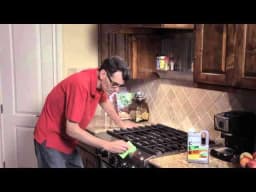
The "Reclaim the Kitchen" campaign by Wolf, launched in the United States in 2015, positions the brand as an enabler of empowerment and mastery within the domestic space, specifically targeting the kitchen environment. It promises consumers a sense of ownership and control over their kitchen, redefining it as a domain where skill, creativity, and confidence converge. Wolf’s value proposition centers on elevating the kitchen from a utilitarian space to one where individuals can reclaim authority and pride through high-quality household products.
Strategically, the campaign leverages a narrative genre to foster an emotional connection by telling a story that resonates with the evolving dynamics of home life, where the kitchen is no longer just a chore zone but a place of personal expression and empowerment. This approach taps into the insight that consumers increasingly seek functionality combined with aspirational lifestyle elements in household products. By focusing on the theme of “reclaiming” the kitchen, the campaign likely aims to address a consumer desire for control and sophistication amidst the often overwhelming demands of daily cooking and home management. The modest engagement metrics—over 1.5 million views but relatively low likes and comments—suggest the campaign prioritized storytelling and brand positioning over viral social engagement, appealing more to an audience interested in brand ethos and product quality rather than mass social interaction.
Overall, the campaign’s market strategy reflects a move to align Wolf with a lifestyle-driven narrative that recognizes kitchen appliances not merely as tools but as facilitators of empowerment, appealing to homeowners who value performance and prestige within their domestic routines.
FORMAT#2 SHOW THE PROBLEM — Highlights a relatable problem, then shows the product as the solution.
The campaign title, "Reclaim the Kitchen," and the use of the word "reclaim" suggest a scenario where consumers have lost touch with or control over their kitchen experiences, implying a prevalent problem—perhaps due to modern hectic lifestyles, convenience meals, or lack of confidence in cooking at home. Given Wolf’s context as a premium kitchen appliance brand in the house and garden sector, the campaign’s narrative most likely begins by illustrating this problem and then positions Wolf’s products as the empowering solution, inviting audiences to take back their kitchens. The genre is "narrative," but with no explicit indication of a story arc or character resolution, it is more probable that the creative format follows a classic problem–solution approach, making "Show the Problem" the best fit here.
ADVERTISING FORMATS EXPLAINED: https://www.clapboard.com/blog/branding-and-advertising/brand-strategy/12-advertising-creative-formats
1. Viking Range – Viking positions itself as a pioneer in professional-grade kitchen appliances for home chefs, combining commercial-quality performance with luxury design. It emphasizes innovation, power, and durability as key differentiators, appealing to culinary enthusiasts who demand restaurant-level results in their home kitchens.
2. Sub-Zero – Sub-Zero focuses on premium refrigeration solutions, highlighting advanced technology, impeccable craftsmanship, and airtight preservation. Their market positioning centers on luxury, reliability, and longevity, attracting affluent consumers who prioritize food freshness and seamless integration with high-end kitchen aesthetics.
3. Thermador – Thermador positions itself as an innovator delivering luxury appliances with cutting-edge features like the Star Burner and smart home connectivity. It targets trend-conscious consumers who want a balance of high performance, modern design, and kitchen convenience within the luxury household product segment.
4. Miele – Known for German engineering and precision, Miele markets itself as a high-end appliance brand emphasizing reliability, longevity, and exceptional customer service. It appeals to discerning homeowners who seek sophisticated, durable products offering advanced technology and sustainable performance in their kitchens.
5. Bosch – Bosch differentiates by offering a blend of German engineering, sleek design, and energy-efficient appliances at a slightly more accessible luxury tier. Its strategic angle revolves around smart technology, quiet operation, and environmental consciousness, making it attractive to modern, value-aware household consumers.
Q: What is Reclaim the Kitchen about?
A: Reclaim the Kitchen is a 2015 film campaign developed by the agency TRG for Wolf, a premium kitchen appliance brand, and released in the United States. The campaign centers on the idea of empowering individuals to take back control of their kitchen spaces, transforming them from purely functional zones into arenas for creativity, confidence, and personal expression. Through evocative visual storytelling, the campaign positions Wolf as the essential partner for home chefs seeking both style and performance, aligning the brand with the aspirations of consumers who value mastery and innovation in their domestic routines.
Q: What creative device does Reclaim the Kitchen use?
A: Reclaim the Kitchen employs the Show the Problem format, as classified by Clapboard's 12-format taxonomy. This creative device begins by highlighting a relatable issue—the loss of connection or confidence in the kitchen due to modern lifestyles—and then presents Wolf’s products as the empowering solution. By framing the kitchen as a space to be reclaimed, the campaign taps into viewers’ desire for control and self-expression, using narrative film techniques to illustrate how Wolf appliances enable a renewed sense of ownership and creativity in the home.
Q: What is the campaign proposition for Reclaim the Kitchen?
A: The campaign proposition for Reclaim the Kitchen positions Wolf as an enabler of empowerment and mastery within the domestic kitchen environment. Targeting homeowners who seek both functionality and aspirational lifestyle elements, the campaign promises a renewed sense of ownership and pride in the kitchen, elevating it from a utilitarian space to a domain for skill, creativity, and confidence. By aligning with evolving consumer desires for control and sophistication in household products, Wolf strategically asserts itself as the essential partner for those looking to transform their cooking experiences into expressions of personal achievement.
Q: How does Reclaim the Kitchen rank in Clapboard's archive?
A: Reclaim the Kitchen holds a Clapboard Campaign Score of 64/100 in Clapboard's global ad archive. This score reflects the campaign’s creative ambition, execution quality, and cultural relevance within the context of the house and garden sector.
Q: Who are the competitors in Wolf's category?
A: In the premium kitchen appliance market, Wolf competes with brands such as Viking Range, which is known for professional-grade performance and luxury design aimed at home chefs seeking commercial results; Sub-Zero, which emphasizes advanced refrigeration technology and seamless integration for affluent consumers; Thermador, which targets trend-conscious buyers with innovative features and smart connectivity; Miele, recognized for German engineering, reliability, and sustainable performance; and Bosch, which appeals to value-aware consumers with sleek, energy-efficient appliances and smart technology at an accessible luxury tier.



.webp)