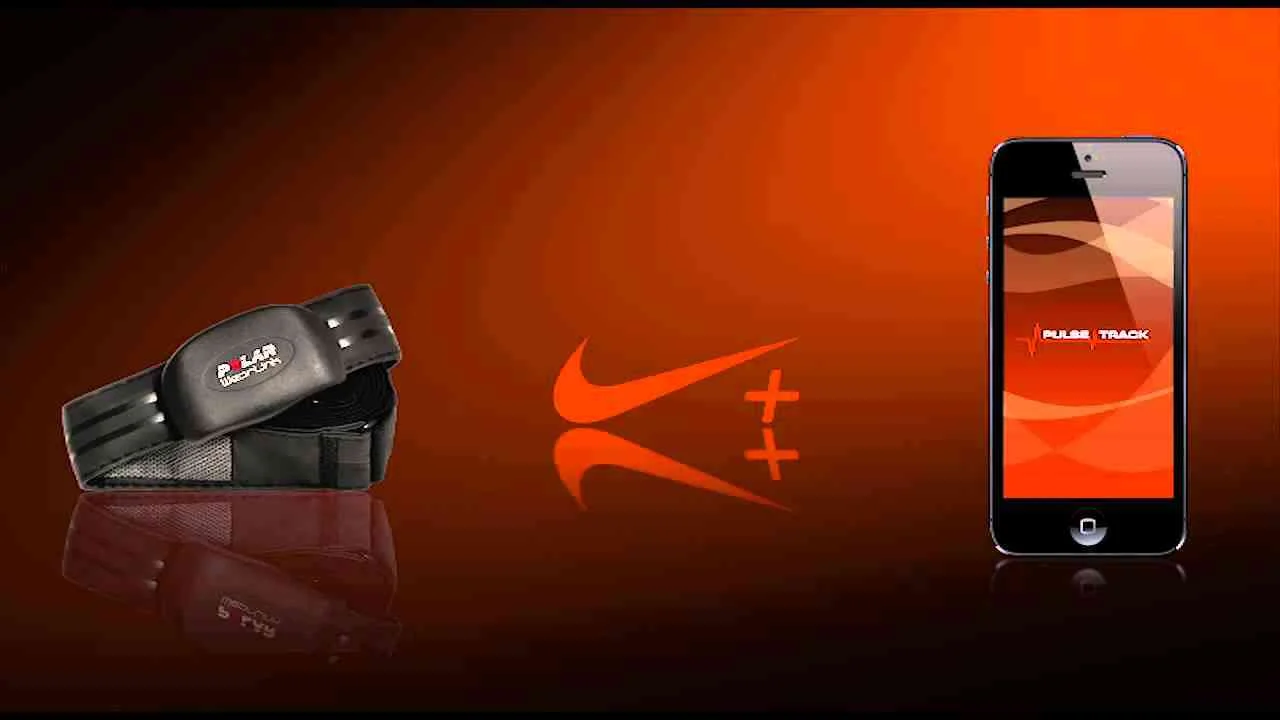
Pulse Track - Nike | Clapboard Ad Archive
Nike's Pulse Track campaign, launched in 2013 by Miami Ad School Berlin for the German market, demonstrates a clear-eyed commitment to digital performance innovation within the fashion and apparel space, articulating how a leading sportswear brand can extend its authority beyond product into the quantified-self movement. Conceived as a digital-only activation, Pulse Track places a utilitarian mobile app front and center — an interface designed to help athletes and fitness enthusiasts monitor and maintain their ideal pulse rate for training efficiency — and in doing so, communicates Nike's restless pursuit of tools that optimize both individual progress and collective brand narrative. With no elaborate storytelling or lifestyle montage, the campaign dispenses with familiar advertising tropes in favor of what Clapboard's taxonomy would classify as FORMAT#1 DEMONSTRATION — showing, with precision and restraint, the app’s real-world benefit and the user journey in direct, functional terms. Nike leverages this rigorously practical focus to align the brand with contemporary values around data-driven self-improvement and wearable technology, capturing the intersection where digital experience meets athletic aspiration without diluting its fashion credentials. Miami Ad School’s creative discipline is evident in the singular, uncluttered media execution, providing audiences — especially early adopters in the digital fitness segment — with an unambiguous value proposition: better training outcomes through intuitive tech, not through flash or distraction. Pulse Track is less concerned with cultivating mass hype or viral engagement, instead anchoring Nike’s digital strategy in substantive user benefit and reinforcing the brand’s longstanding claim to athletic leadership with a future-facing narrative. The user experience foregrounded in the demonstration format is both an educational tool and a brand differentiator, reinforcing Nike’s ongoing evolution into a services-led partner for lifestyle improvement while keeping its origins in tangible product design. The campaign earns 53/100 in Clapboard's global creative archive. This campaign matters because it exemplifies how global sportswear brands can use focused, functional demonstrations to shift consumer expectations around what constitutes value in digital fitness experiences.











.webp)