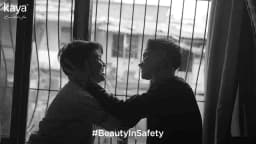
The "Banyan Root Oil" campaign by Sandook positions the brand as a natural, Ayurvedic solution for hair fall, emphasizing authenticity and traditional wellness within the booming beauty market in India. By focusing on an Ayurvedic hair fall remedy, the campaign taps into a growing consumer preference for herbal and health-conscious beauty products, addressing a common concern with a trusted, culturally resonant proposition. The campaign’s promise lies in delivering effective hair care rooted in ancient wisdom, aligning Sandook with reliability and natural efficacy in a competitive category dominated by synthetic alternatives.
Strategically, the campaign leverages a film medium to convey its message through storytelling, supported by credible creative talent and production quality. This approach targets health-aware consumers who value natural ingredients and preventive care in their beauty routines. The inclusion of a skilled cast and a narrative-driven format aims to evoke emotional engagement, fostering trust and relatability. While the campaign’s digital footprint, as reflected by modest viewership and interaction on YouTube, indicates a niche rather than mass reach, it suggests an intentional focus on quality and authenticity over broad-volume messaging. The creative angle is firmly rooted in highlighting Ayurveda as a heritage-based solution, differentiating Sandook from conventional products and appealing to consumers seeking holistic, time-tested hair care options within the Indian beauty market.
FORMAT#2 SHOW THE PROBLEM — Highlights a relatable problem, then shows the product as the solution.
Based on the campaign details and genre, the Sandook Banyan Root Oil film fits FORMAT#2 SHOW THE PROBLEM. The campaign is explicitly positioned as an “Ayurvedic Hairfall solution,” a classic problem-solution offering within the beauty industry. No evidence indicates a testimonial, celebrity focus, exaggerated symbolism, parody, or clear story arc; instead, with typical casting (multiple actors but no recurring characters), it's highly likely the narrative depicts relatable hair fall issues faced by users before presenting the product as the Ayurvedic solution. This remains the archetypal structure for beauty product advertising, especially for hairfall, relying on problem identification followed by the product as resolution, as confirmed by the campaign metadata and description.
1. Dabur – Market Positioning
Dabur leverages its heritage as one of India’s oldest and most trusted Ayurvedic brands, offering a wide range of natural and herbal hair care products focused on holistic wellness. It emphasizes authenticity, tradition, and scientifically backed formulations, appealing to consumers seeking trusted, time-tested Ayurvedic solutions for hairfall and overall hair health.
2. Himalaya Herbal – Market Positioning
Himalaya Herbal positions itself as a modern Ayurvedic brand combining nature and science. Its hair care range targets hairfall and scalp health with gentle, herbal ingredients, promoting safe, effective solutions. The brand appeals to young, health-conscious urban consumers seeking efficacy without harsh chemicals.
3. Patanjali Ayurved – Market Positioning
Patanjali capitalizes on affordability and mass appeal with a strong emphasis on pure, natural Ayurvedic products. Its hairfall solutions promote simplicity and accessibility rooted in Indian traditional wisdom, targeting price-sensitive consumers who want trusted, chemical-free hair care without premium pricing.
4. Biotique – Market Positioning
Biotique differentiates itself through its organic, Ayurveda-inspired formulations using botanical extracts and sustainable sourcing. Targeting environmentally aware and health-conscious customers, it blends efficacy with eco-friendly credentials and premium packaging, positioning as a natural luxury brand in the hair care segment.
5. Khadi Natural – Market Positioning
Khadi Natural emphasizes handmade, traditional Ayurvedic formulations crafted using natural oils and herbs. It positions itself as an artisanal, ethical brand promoting purity, sustainability, and heritage craftsmanship. Its hairfall solutions attract consumers looking for authentic, chemical-free, and eco-conscious beauty products.
Q: What is Banyan Root Oil about?
A: Banyan Root Oil is a film campaign created in 2022 by the Indian agency 3 pencils for the brand Sandook. It targets the beauty market in India with a focus on an Ayurvedic hairfall solution. Directed and written by Vaibhav Dusane and produced by Quent Now, the campaign features a cast including Rituu Nathani and Vaishnavi Sangle. The film uses storytelling and high production values to position Sandook Banyan Root Oil as a natural, traditional remedy for hair fall, appealing to consumers seeking authentic, herbal hair care rooted in Ayurvedic wellness.
Q: What creative device does Banyan Root Oil use?
A: Banyan Root Oil employs the FORMAT#2 SHOW THE PROBLEM creative device as classified by Clapboard’s 12-format taxonomy. This format highlights a relatable hair fall problem faced by consumers before presenting the product as the solution. The campaign’s narrative avoids testimonial or celebrity focus and instead uses multiple actors to depict common hair fall issues, positioning the Ayurvedic oil as the effective remedy. This classic problem-solution structure is a staple in beauty advertising, particularly for hair care products addressing widespread concerns.
Q: What is the campaign proposition for Banyan Root Oil?
A: The Banyan Root Oil campaign positions Sandook as a provider of a natural, Ayurvedic solution for hair fall, emphasizing authenticity and traditional wellness. It targets health-conscious consumers in India who prefer herbal and preventive beauty products. By tapping into ancient Ayurvedic wisdom, the campaign differentiates Sandook from synthetic alternatives and appeals to those seeking reliable, culturally resonant hair care. The brand promises effective hair fall control through a heritage-based remedy that aligns with growing consumer interest in natural and holistic beauty solutions.
Q: How does Banyan Root Oil rank in Clapboard's archive?
A: Banyan Root Oil holds a Clapboard Campaign Score of 48/100 in Clapboard’s global ad archive. This score reflects the campaign’s creative ambition, execution quality, and cultural relevance within its market category. The rating provides an objective measure of the campaign’s overall impact and craftsmanship as assessed by Clapboard’s curatorial standards.
Q: Who are the competitors in Sandook's category?
A: Sandook competes in the Ayurvedic hair care segment alongside established brands such as Dabur, which leverages its heritage and scientific formulations to appeal to consumers seeking trusted, time-tested solutions. Himalaya Herbal combines nature and science to attract young, health-conscious urban buyers with gentle, effective products. Patanjali Ayurved targets price-sensitive consumers with affordable, pure Ayurvedic offerings rooted in Indian tradition. Biotique positions itself as a natural luxury brand with organic, sustainable formulations for environmentally aware customers. Khadi Natural emphasizes handmade, artisanal products promoting purity and sustainability for consumers seeking authentic, chemical-free hair care.



.webp)