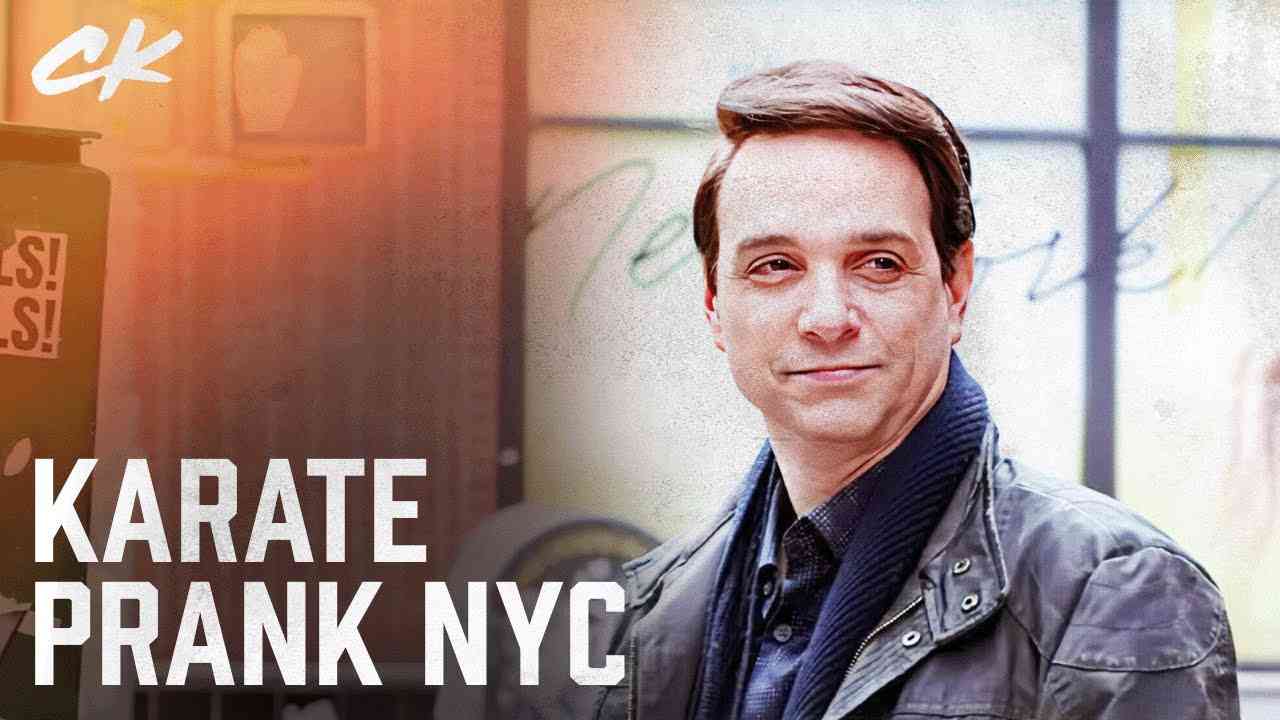
Karate Prank NYC - YouTube | Clapboard Ad Archive
YouTube’s 2018 Karate Prank NYC campaign, crafted by Thinkmodo for the media and entertainment category, leveraged experiential storytelling to ignite buzz around the launch of the Cobra Kai series by turning the streets of New York City into a spontaneous stage for a karate-themed prank. The campaign’s central video features Ralph Macchio and William Zabka reprising their iconic roles, surprising unsuspecting pedestrians as a street lamp, motorcycle, and water hydrant are seemingly destroyed in bursts of martial arts mayhem. This direct demonstration of the unpredictable and entertaining content accessible on YouTube embodies what Clapboard’s taxonomy identifies as FORMAT#1 Demonstration, showcasing not only the action but the platform’s capacity to deliver immersive experiences that engage viewers through humor and surprise. By inserting beloved actors from the original Karate Kid franchise into a real-world context, the campaign bridges nostalgia with contemporary digital culture, reinforcing YouTube’s role as a home for premium, original series that resonate across generations. The stunt’s visceral impact, driven by the physical destruction of urban fixtures, creates a memorable spectacle that naturally encourages sharing and social conversation, thereby amplifying organic reach without relying on traditional advertising signals. The campaign’s English-language execution ensured clear communication to its primary U.S. audience while aligning tightly with the media industry’s trend toward experiential and viral content that blurs the lines between promotion and entertainment. Clapboard rates this campaign 82/100 in its global creative archive. Karate Prank NYC matters to the media and entertainment category because it demonstrates how blending experiential marketing with recognizable talent can activate audience engagement and drive attention for digital-first content in an increasingly crowded streaming landscape.






.webp)