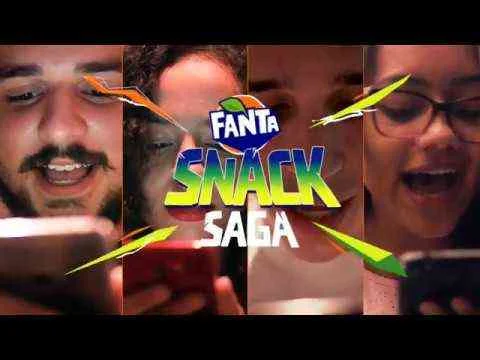
The Snack Saga - Fanta | Clapboard Ad Archive
Fanta’s The Snack Saga, launched in Brazil in 2020 by Ogilvy, delivers a digital campaign that fully immerses the brand in the country’s thriving food and drink culture, leveraging an epic-narrative lens to spotlight the playful synergy between snacking occasions and the effervescent spirit of Fanta. Tapping directly into a core behavior of Brazilian youth — the social ritual of casual snacking — Ogilvy crafts a story-driven video centerpiece that positions Fanta as not just a fizzy accompaniment but a catalyst for shared enjoyment and spontaneous moments of fun, weaving the brand into everyday routines with a fresh sense of levity. Rather than defaulting to conventional demos or straightforward testimonials, The Snack Saga plays with pop-culture conventions and genre tropes — what Clapboard’s taxonomy classifies as FORMAT#12—Parody or Borrowed Format — by riffing on the titular saga framework and infusing the world of snacks with exaggerated peril, adventure, or triumph, mimicking the familiar arc of heroic journeys in entertainment to render snack time as a moment worthy of legend. The creative execution aligns seamlessly with Fanta’s global positioning as Coca-Cola’s young, irreverent sibling, yet is unmistakably localized for Brazilian audiences by pulling from the textures and humor styles that drive engagement among digitally native consumers in the market, especially at a time when video-driven platforms were rapidly shaping youth culture. In a competitive landscape alongside category heavyweights like Coca-Cola, Pepsi, and Guaraná Antarctica — brands that respectively trade on heritage, boldness, and regional authenticity — Fanta carves a niche through narrative innovation, establishing an emotional presence that goes beyond refreshment to champion collaboration, laughter, and the enhancement of everyday pleasures. By embedding the brand in stories of communal snacking and sidelining overt product messaging, the campaign signals a clear shift toward content-led engagement that blurs the boundary between entertainment and advertising, with digital media serving as both the canvas and the stage for brand storytelling. The campaign earns 57/100 in Clapboard’s global creative archive. For an industry where product utility has long overshadowed cultural resonance, The Snack Saga demonstrates the potential of genre-driven narrative formats to recast brand relevance in the rituals of daily life.







.webp)