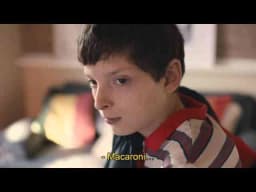
Orangina launched the Wiiish Box campaign in France in May 2018, hiding wish-granting genies inside 50,000 of 20 million distributed cans via Buzzman Paris.

Orangina Wiiish Box Turns 20 Million Cans Into a Wish-Granting Machine
Orangina launched the Wiiish Box campaign in France on May 14, 2018, distributing 20 million specially designed cans nationwide through which consumers could submit wishes for the chance to have two granted at a value of up to €20,000 each, in a campaign created by Paris-based agency Buzzman and supported across digital, radio, and in-store channels.
The campaign's central mechanic was elegantly physical. Consumers who shook or inverted a participating can were directed by a voice-activated genie mechanism embedded within approximately 50,000 of the total run to visit a dedicated campaign website, where they could enter a unique code from their can and formally submit a wish. The breadth of distribution — 20 million cans across the French market — ensured mass participation potential while keeping the scarcity of the genie cans, numbering 50,000 according to available records, sufficient to sustain genuine excitement. Media deployment was handled by KR Media, extending the campaign's reach well beyond packaging alone.
In France, where experiential and participatory marketing has grown steadily as a counterweight to passive digital advertising, the Wiiish Box positioned Orangina not merely as a soft drink but as a vehicle for everyday magic. The campaign sat firmly within the Food and Drink and Lifestyle categories, tapping a consumer desire for brand interactions that feel personal and rewarding. Six web films, radio activations, and retail presence collectively framed the campaign as a cultural moment rather than a promotional mechanic. A branded hashtag anchored social participation, encouraging wish-sharing and organic amplification across French social platforms in May 2018.
Buzzman anchored the Wiiish Box strategy in a tension that has long proven effective in the French drinks market: mass availability paired with hidden rarity. The 20 million cans provided Orangina with near-universal shelf presence across France, while the 50,000 genie cans created a lottery-like pursuit that gave every purchase meaning beyond the drink itself. This structure is not accidental — it mirrors the psychological pull of games of chance while wrapping that pull in a brand narrative rooted in wish-fulfilment and wonder.
The strategic context matters. In the French non-alcoholic drinks category, Orangina competes directly with The Coca-Cola Company, whose portfolio includes Fanta and Sprite, and with PepsiCo, both of which command significant shelf space and marketing budgets, according to ResearchandMarkets.com. Against those resources, Orangina's consistent creative advantage has been distinctiveness of voice rather than scale of spend. The Wiiish Box extended that tradition by making the packaging itself the primary media unit — a move that transforms a commodity touchpoint into a participatory experience and sidesteps direct spend comparisons with larger competitors.
Buzzman's choice to support the campaign with six web films, radio, and in-store activity reflects a considered channel architecture for the French market in 2018, where digital video consumption was expanding rapidly and radio retained strong daily reach among adult consumers. KR Media's involvement in planning and buying ensured that the campaign's participatory core received sufficient earned and paid amplification to reach beyond the immediate point of purchase. The wish-granting jury mechanism — selecting two winning wishes each worth up to €20,000 — added editorial narrative potential, giving media outlets a story that extended the campaign's life organically.
The creative direction of the Wiiish Box campaign rested on a deceptively simple idea: the Orangina can already asks to be shaken, so why not make that shake the beginning of something extraordinary. Georges Mohammed-Chérif, serving as President and Executive Creative Director at Buzzman, oversaw a campaign that leaned into Orangina's established personality — playful, sensory, slightly surreal — and extended it into an interactive physical format. Creative Directors Louis Audard and Tristan Daltroff shaped the campaign's visual and narrative language, while Art Director Manel Jouini and Copywriter Gaspard Manguette gave it its on-pack and on-screen voice.
Thomas Granger served as Vice President and Julien Levilain as Managing Director, providing the strategic and commercial frame within which the creative team operated. The account was managed by Alexandre Soloy and Quentin Seguret, with social strategy led by Julien Scaglione as Head of Social Media and executed by Raphael Catherin as Social Media Manager — a team structure that reflects how seriously Buzzman treated the earned social dimension of the campaign alongside its paid components.
The six web films produced for the campaign were designed to dramatise the wish-granting premise rather than simply explain the promotional mechanic. Each film extended the genie universe of the campaign, giving the hashtag-driven social conversation a stream of shareable content to sustain momentum across the weeks following the May 14, 2018 launch. In-store materials reinforced the mechanic at the point of purchase, ensuring that the fantasy framing of the campaign survived contact with the retail environment. The voice-activated genie embedded in select cans was the single most distinctive production element — a talking can that directed its finder to the campaign website represented an integration of physical packaging and digital participation that remained genuinely rare in the French food and drink category at the time.
No verified performance data for the Wiiish Box campaign is publicly available in terms of website traffic, wish submission volumes, social reach, or earned media value. No awards from Cannes Lions, the Effies, the One Show, D&AD, the Clios, the Webby Awards, or WARC have been identified in connection with this campaign, according to Clapboard.com's awards records.
The Clapboard Score for the Wiiish Box campaign is 56 out of 100. That score reflects a campaign with a genuinely inventive central mechanic — the talking genie can distributed across 20 million units in France — that was supported by a competent but not exceptional channel mix. The six web films, radio presence, and in-store activity provided adequate amplification, but the absence of documented results makes it difficult to assess whether the participatory mechanic translated into measurable brand or commercial lift. The two prize-winning wishes, each worth up to €20,000, were structurally generous enough to generate media interest, yet no sustained press coverage or social data has surfaced to confirm that the campaign achieved significant cultural traction beyond its launch window.
Structurally, the Wiiish Box demonstrates the value of transforming existing consumer behaviour — shaking an Orangina can — into a brand interaction. That behavioural hook is the campaign's strongest asset. Where it falls short of a higher score is in the depth of creative storytelling beyond the mechanic itself and the limited evidence of sustained engagement architecture designed to keep French consumers invested past the initial discovery moment.
The Wiiish Box was an Orangina promotional campaign launched in France on May 14, 2018 by Buzzman. It distributed 20 million specially designed cans across the French market, with approximately 50,000 containing a voice-activated genie mechanism directing consumers to a wish-submission website for the chance to win prizes worth up to €20,000 each.
Consumers who shook or inverted a participating Orangina can heard a genie voice directing them to a campaign website. There, they entered a unique code from the can and submitted a wish. A jury then selected two winning wishes, each eligible for fulfilment at a value of up to €20,000, according to available campaign records.
Buzzman, the Paris-based creative agency, created the Wiiish Box campaign for Orangina. Georges Mohammed-Chérif served as President and Executive Creative Director, with Thomas Granger as Vice President and Julien Levilain as Managing Director. Media planning and buying for the France campaign was handled by KR Media.
The Wiiish Box campaign used interactive packaging, six web films, radio advertising, and in-store retail activity across France. The campaign also used a branded hashtag to drive social participation. Media deployment was managed by KR Media, extending the campaign beyond the point of purchase into digital and broadcast channels.
No awards for the Wiiish Box campaign have been identified from Cannes Lions, the Effies, the One Show, D&AD, the Clios, the Webby Awards, or WARC, according to Clapboard.com's records. The campaign received a Clapboard Score of 56 out of 100, reflecting a strong central mechanic with limited documented performance evidence.
Creative leadership at Buzzman included Executive Creative Director Georges Mohammed-Chérif, Creative Directors Louis Audard and Tristan Daltroff, Art Director Manel Jouini, and Copywriter Gaspard Manguette. Social strategy was led by Julien Scaglione as Head of Social Media, with Raphael Catherin managing social media execution for the France campaign.
.webp)
Creative Collaboration Platform: The Backbone of Modern Creative WorkWhat is a creative collaboration platform?Clapboard defines a creative collaboration platform as the operational core for today’s distributed creative teams. This is not a collection of digital collaboration tools stitched together; Clapboard’s system


Understanding the Creative Production MarketplaceWhat is a Creative Production Marketplace?Clapboard defines a creative production marketplace as a structured ecosystem where brands, agencies, and production talent converge to execute video, advertising, and branded content at scale. Unlike the legacy agency or freelanREAD FULL ARTICLE

The Urgent Need for a Creative Production Operating SystemWhy Traditional Creative Production Models Break DownClapboard sees the creative production landscape shifting under pressure. Content velocity is no longer a buzzword—it’s a mandate. Modern advertising demands relentless output across dozens of channels, each wREAD FULL ARTICLE