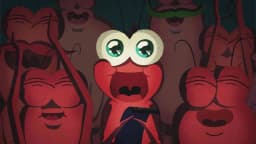
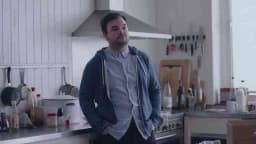
The "Facebook Clones" campaign by Nobody From Nowhere, developed by Darewin and launched in France in 2014, explores the enduring impact of digital impersonation and privacy in the internet age. Positioned within the media and entertainment industry, this documentary-style social experiment probes how online identities can be replicated and persist indefinitely, underscoring the brand’s focus on revealing hidden realities tied to digital presence. The campaign’s core proposition centers on the idea that the internet’s memory is relentless, and anyone can become an unintentional digital shadow through imposters, thus raising awareness about the risks of online identity theft and long-term digital footprints.
From a market strategy perspective, the campaign leverages a socially relevant insight: in a world increasingly reliant on social networks like Facebook, personal data is vulnerable, and the consequences of impersonation are often overlooked. By framing the campaign as a documentary and social experiment, it connects emotionally with a digitally savvy yet privacy-conscious audience, primarily in France, who are becoming more aware of the implications of their online behavior. The creative angle of cloning and digital doubles serves as a tangible metaphor for the abstract threat of data misuse, making complex privacy issues relatable and urgent. Released on a digital platform like YouTube with a concise, evocative message — "The internet never forgets, and digital imposters will remember you forever" — the campaign strategically uses storytelling to engage viewers, encouraging reflection on personal digital security. This approach not only differentiates Nobody From Nowhere as a brand committed to critical digital discourse but also aligns with growing consumer concerns about the permanence and vulnerability of online identities.
FORMAT#3 SYMBOLIZE THE PROBLEM — Uses symbols or analogies to represent the problem instead of showing it literally.
The campaign "Facebook Clones" aligns with FORMAT#3 because it appears to use the concept of "digital imposters" as a metaphor to illustrate the deeper issue of online identity and privacy. The title and documentary/social experiment genre suggest that instead of straightforward dramatization, the campaign employs symbolic elements—“clones”—to represent the real-world dangers of digital permanence and identity theft on social media. The description, “The internet never forgets, and digital imposters will remember you forever,” further supports the use of analogy rather than literal depiction, making the symbol central to communicating the underlying problem.
ADVERTISING FORMATS EXPLAINED: https://www.clapboard.com/blog/branding-and-advertising/brand-strategy/12-advertising-creative-formats
1. Canal+ – Positioned as France’s premier premium pay-TV network, Canal+ differentiates through high-quality original programming, exclusive film and sports content, and a strong emphasis on cinematic and documentary storytelling, appealing to culturally engaged viewers seeking premium entertainment experiences.
2. ARTE – ARTE is a Franco-German public channel known for its curated, intellectually driven cultural programming and documentaries. It stands out by promoting European arts, culture, and social issues with a sophisticated, educational approach that attracts an informed, niche audience.
3. France Télévisions – As the national public broadcaster, France Télévisions offers a broad spectrum of media content including documentaries and social experiments. It leverages its expansive reach and reputation for public service media to connect with diverse demographics across France.
4. Brut – Brut is a digital-native media company focusing on short-form, socially conscious video content distributed primarily through social platforms. It differentiates itself by engaging younger audiences with real-time social experiments, documentaries, and trending societal issues in an accessible format.
5. Vice France – Vice offers edgy, youth-centric documentaries and social experiments with a focus on counterculture and untold stories. Its strategic angle lies in immersive storytelling that appeals to millennials and Gen Z through bold, provocative content that challenges mainstream narratives.
Q: What is Facebook Clones about?
A: Facebook Clones is a digital campaign launched in France in 2014 for the brand Nobody From Nowhere, developed by the agency Darewin. Positioned within the media and entertainment sector, the campaign takes the form of a documentary-style social experiment that investigates the persistent risks of digital impersonation and the enduring nature of online identities. By focusing on the concept of digital clones, the campaign highlights how personal data and online personas can be replicated and remain accessible indefinitely, prompting viewers to reflect on the implications of digital permanence and privacy in the age of social media.
Q: What creative device does Facebook Clones use?
A: Facebook Clones employs FORMAT#3 SYMBOLIZE THE PROBLEM, as classified by Clapboard’s 12-format taxonomy. Rather than depicting digital identity theft literally, the campaign uses the metaphor of digital imposters or clones to represent the broader issue of online privacy and the lasting digital footprint left by social media activity. This symbolic approach makes the abstract threat of identity misuse tangible and relatable, inviting viewers to consider the real-world consequences of their digital presence through the lens of analogy rather than direct dramatization.
Q: What is the campaign proposition for Facebook Clones?
A: The strategic proposition of Facebook Clones centers on raising awareness about the relentless memory of the internet and the risks associated with digital impersonation. Nobody From Nowhere positions itself as a brand committed to exposing the hidden realities of digital life, targeting a digitally savvy and privacy-conscious French audience. By framing the campaign as a documentary and social experiment, it underscores the vulnerability of personal data in a world dominated by social networks, urging viewers to reflect on their own digital security and the long-term consequences of online identity exposure.
Q: How does Facebook Clones rank in Clapboard's archive?
A: Facebook Clones holds a Clapboard Campaign Score of 64/100 in Clapboard's global ad archive. This score reflects the campaign's creative ambition, the quality of its execution, and its relevance to contemporary cultural conversations about digital identity and privacy.
Q: Who are the competitors in Nobody From Nowhere's category?
A: In the media and entertainment category, Nobody From Nowhere competes with several key players. Canal+ is recognized for its premium original programming and cinematic storytelling, appealing to culturally engaged viewers. ARTE stands out with its curated, intellectual approach to European arts and social issues, targeting a sophisticated audience. France Télévisions leverages its broad reach and public service mandate to connect with diverse demographics through documentaries and social experiments. Brut differentiates itself with short-form, socially conscious content aimed at younger audiences on digital platforms, while Vice France delivers edgy, countercultural documentaries that resonate with millennials and Gen Z through immersive, provocative storytelling.


.webp)