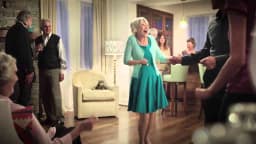
The Nicotinell campaign titled "Action Figure, Moon, Robin," created by Wunderman and launched in the UK in 2014, centers on promoting Nicotinell's position as a supportive aid in smoking cessation. The brand proposition emphasizes empowerment and encouragement for individuals attempting to quit smoking, framing Nicotinell products as reliable companions in overcoming addiction. Through a narrative-driven approach, the campaign seeks to personify the struggle against smoking by leveraging relatable storytelling that resonates emotionally with smokers who face challenges in their quitting journey.
Strategically, the campaign targets adult smokers motivated to quit but who may require additional assistance, aligning with Nicotinell’s healthcare positioning. The creative angle uses compelling narratives, potentially symbolized by characters like an "Action Figure," to externalize the internal battle with nicotine dependence, making the quitting process more tangible and approachable. This narrative device serves to humanize the experience, fostering empathy and identification within the audience. The choice of film as the medium further supports immersive storytelling, aiming to engage viewers emotionally and reinforce the brand’s supportive role. By publishing in the UK healthcare context, the campaign aligns with broader public health goals while addressing the personal dimension of quitting smoking. Overall, the campaign leverages emotional narrative insight and targeted messaging to position Nicotinell as a practical and empathetic solution for smokers committed to cessation.
FORMAT#3 SYMBOLIZE THE PROBLEM — Uses symbols or analogies to represent the problem instead of showing it literally.
This Nicotinell campaign’s titles—‘Action figure, Moon, Robin’—hint at metaphorical or symbolic storytelling rather than a literal presentation of smoking cessation struggles. The use of elements like an action figure or the moon as campaign focal points suggests a creative, indirect visualization of the smoker’s challenge or craving, rather than directly showing someone struggling to quit. As a healthcare brand in a narrative film context, the campaign likely deploys symbolic representations to make the smoker’s internal battle both accessible and memorable without graphic or explicit depictions, fitting the 'Symbolize the Problem' format rather than a straightforward demonstration or exemplary story.
ADVERTISING FORMATS EXPLAINED: https://www.clapboard.com/blog/branding-and-advertising/brand-strategy/12-advertising-creative-formats
1. Nicorette – Positioned as a clinically proven and versatile nicotine replacement therapy, Nicorette emphasizes ease of use, innovation, and support tools. It offers a broad range of products (gum, patches, lozenges, inhalers) catering to smokers seeking flexible quitting options, backed by strong medical endorsements and a well-established global presence.
2. Champix (varenicline) – Champix positions itself as a prescription medication focused on addressing nicotine addiction through pharmacological means. It differentiates by promising higher quit rates through targeting brain receptors related to cravings and withdrawal, appealing to smokers who prefer a medicalized approach over nicotine replacement products.
3. Allen Carr’s Easyway – This brand leverages a psychological and lifestyle-based quitting method rather than medicinal products. Its positioning revolves around changing mindset and habits with a unique quitting program that is non-pharmaceutical, attracting those seeking a support-driven, no-gimmick alternative to nicotine patches or medications.
4. Zyban (bupropion) – Zyban markets itself as a prescription medicine that helps reduce nicotine withdrawal symptoms through an antidepressant-based mechanism. It differentiates by targeting mood regulation and reducing cravings, appealing primarily to smokers who experience anxiety or depression linked with cessation.
5. Boots Nicotine Replacement Therapy (Boots NRT) – As a retailer own-label product, Boots NRT focuses on affordability and accessibility. Positioned as a reliable, budget-friendly option within pharmacy channels, it attracts price-conscious consumers looking for effective yet cost-efficient quitting aids with convenient OTC availability.
Q: What is Action figure, Moon, Robin about?
A: Action figure, Moon, Robin is a professional campaign developed for Nicotinell by the agency Wunderman and launched in the United Kingdom in 2014. This film-based campaign targets the health sector, focusing on individuals seeking support to quit smoking. Through three distinct media assets, the campaign employs narrative storytelling and emotive visuals to depict the personal journey of overcoming nicotine addiction. By blending relatable characters and metaphorical imagery, the campaign aims to position Nicotinell as a supportive companion in the quitting process, resonating with viewers on both an emotional and practical level.
Q: What creative device does Action figure, Moon, Robin use?
A: Action figure, Moon, Robin employs the Symbolize the Problem format, classified as FORMAT#3 in Clapboard’s 12-format taxonomy. Rather than depicting the act of quitting smoking in a literal sense, the campaign uses symbolic elements—such as an action figure or the moon—to represent the internal struggle against nicotine addiction. This approach externalizes the challenge, making it more accessible and memorable for viewers, while avoiding graphic or explicit portrayals. The use of metaphor and analogy aligns with best practices in health communication, fostering empathy and engagement without resorting to didactic storytelling.
Q: What is the campaign proposition for Action figure, Moon, Robin?
A: The campaign proposition for Action figure, Moon, Robin centers on positioning Nicotinell as an empowering and encouraging ally for individuals attempting to quit smoking. By leveraging narrative-driven storytelling and relatable symbolism, the campaign humanizes the quitting journey, making the internal battle against addiction tangible and approachable. Targeting adult smokers who are motivated to quit but may need additional support, the campaign underscores Nicotinell’s role as a practical and empathetic solution. This strategic approach aligns with the brand’s healthcare positioning and broader public health objectives, reinforcing Nicotinell’s commitment to supporting positive lifestyle change.
Q: How does Action figure, Moon, Robin rank in Clapboard's archive?
A: Action figure, Moon, Robin holds a Clapboard Campaign Score of 58/100 in Clapboard’s global ad archive. This score reflects the campaign’s creative ambition, execution quality, and cultural relevance as assessed by Clapboard’s curatorial standards.
Q: Who are the competitors in Nicotinell's category?
A: In the smoking cessation market, Nicotinell competes with brands such as Nicorette, which is known for its clinically proven and versatile nicotine replacement therapies; Champix, a prescription medication that targets nicotine addiction through pharmacological means; Allen Carr’s Easyway, which offers a psychological and lifestyle-based quitting program; Zyban, a prescription medicine that addresses withdrawal symptoms by regulating mood; and Boots Nicotine Replacement Therapy, which appeals to price-conscious consumers with accessible, budget-friendly options available over the counter. Each competitor brings a distinct approach to supporting smokers in their journey to quit.


 ARCHIVE
.webp)