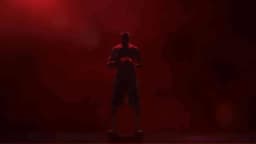
The 2013 "Thumb Wars" campaign by DDB for the New York Lottery uses humor and a culturally familiar reference to engage its audience and position its January Multiplier Scratch-Off Games as an entertaining and potentially rewarding pastime. The brand proposition centers on adding an element of excitement and playfulness to the lottery experience, emphasizing that participation can be both fun and fruitful, aligning the New York Lottery with moments of casual enjoyment and chance-based thrill.
From a market strategy perspective, the campaign leverages a widely recognized pop culture trope—the classic thumb war game—to create an immediate point of connection with viewers familiar with casual, competitive play. By framing the lottery scratch-off as a form of "game" within a game, it appeals to an audience looking for lighthearted entertainment and the prospect of instant rewards. The creative choice to focus on a simple, relatable contest mirrors the straightforwardness of scratch-off games, reinforcing accessibility and ease of play. Targeting gaming enthusiasts and casual players alike, the spot capitalizes on the performance genre by focusing on the interactive, hands-on nature of scratch-offs to heighten audience engagement. Utilizing film as its medium and launching at the start of the year, the campaign strategically aligns with consumer habits of seeking new opportunities and hopeful beginnings, aiming to stimulate immediate participation in lottery games.
FORMAT#9 SYMBOLIZE THE BENEFIT — Uses symbols or exaggerated visuals to represent the product’s positive impact.
The campaign is titled 'Thumb Wars,' which, combined with its Gaming industry context and film/performance genre, strongly suggests an exaggerated dramatization centered around scratching lottery cards with one’s thumb. “Thumb Wars” intuitively alludes to a playful, over-the-top depiction of thumbs in battle, symbolizing the excitement, fun, and action experienced when using the Multiplier Scratch-Off Games. There’s no explicit problem/solution framing or testimonial; instead, it focuses on amplifying the product’s creative benefit by representing “scratching” as a symbolic contest. This exaggerated, metaphorical representation signals FORMAT#9, as the thumb war is not literal but an imaginative symbol for the thrill and reward of playing the lottery scratch-off.
1. Powerball – Market Positioning
Powerball positions itself as one of the largest and most popular multi-state lottery games in the U.S., emphasizing massive jackpots and the excitement of life-changing wins. Its strategic angle focuses on broad national appeal, frequent large prize events, and strong brand recognition through high-impact advertising and widespread retail availability.
2. Mega Millions – Market Positioning
Mega Millions differentiates by offering enormous jackpots with multimillion-dollar prizes and user-friendly gameplay across multiple states. The brand leverages inclusive marketing appeals and digital ticket purchasing options to attract a younger demographic and casual players looking for big dreams and easy access.
3. Pennsylvania Lottery – Market Positioning
The Pennsylvania Lottery focuses on community impact by emphasizing contributions to senior programs and education. Its strategy revolves around trust, reliability, and a portfolio of diverse games, including instant tickets and draw games, connecting with players through social responsibility and consistent, smaller-scale winnings.
4. Florida Lottery – Market Positioning
Florida Lottery positions itself as an entertaining and accessible state lottery that funds education in the state. It differentiates through a strong focus on digital innovation, mobile apps, and multi-layered games that appeal to a broad demographic, mixing instant-win opportunities with traditional draw games.
5. California State Lottery – Market Positioning
California Lottery highlights its commitment to education funding and offers a wide variety of games catering to all player preferences, including scratchers, daily draws, and multi-state games. Its strategic angle uses transparency and community reinvestment messaging to build trust while promoting fun and responsible gaming.
Q: What is Thumb Wars about?
A: Thumb Wars is a professional campaign launched in the United States in 2013 for the New York Lottery, created by DDB New York. Designed for the gaming and entertainment market, the campaign centers on promoting the January Multiplier Scratch-Off Games. Using the film medium, Thumb Wars delivers a playful and engaging narrative that dramatizes the act of scratching lottery tickets as a thumb battle, infusing humor and relatability into the lottery experience. The campaign aimed to make the process of playing scratch-offs more memorable and enjoyable, ultimately enhancing brand visibility and driving participation during the key promotional period.
Q: What creative device does Thumb Wars use?
A: Thumb Wars employs the FORMAT#9 SYMBOLIZE THE BENEFIT approach, as classified by Clapboard’s 12-format taxonomy. This creative device uses exaggerated visuals and symbolic storytelling to represent the positive impact of the product—in this case, the excitement and fun of playing the Multiplier Scratch-Off Games. By transforming the simple act of scratching a ticket into a dramatic thumb war, the campaign creates an imaginative metaphor that amplifies the thrill and entertainment value of the lottery, making the product’s benefit instantly recognizable and memorable to viewers.
Q: What is the campaign proposition for Thumb Wars?
A: The campaign proposition for Thumb Wars positions the New York Lottery’s January Multiplier Scratch-Off Games as an entertaining and rewarding pastime, targeting both gaming enthusiasts and casual players. By leveraging the universally familiar thumb war game, the brand communicates that participation in the lottery can be lighthearted, accessible, and filled with moments of playful competition. This strategic positioning aligns with the broader entertainment market, emphasizing the ease and excitement of scratch-off games while encouraging immediate engagement during the New Year—a time when consumers are open to new opportunities and hopeful experiences.
Q: How does Thumb Wars rank in Clapboard's archive?
A: Thumb Wars holds a Clapboard Campaign Score of 63/100 in Clapboard’s global ad archive. This score reflects the campaign’s creative ambition, execution quality, and cultural relevance within the context of advertising for the gaming and entertainment sector.
Q: Who are the competitors in New York Lottery's category?
A: In the lottery and gaming sector, New York Lottery faces competition from several major brands. Powerball stands out with its focus on massive, life-changing jackpots and broad national appeal, while Mega Millions emphasizes multimillion-dollar prizes and easy gameplay to attract a younger, digitally engaged audience. The Pennsylvania Lottery differentiates itself through its commitment to community impact and reliable winnings, and the Florida Lottery leverages digital innovation and education funding to reach a broad demographic. California State Lottery also competes by highlighting education funding and offering a diverse range of games, building trust through transparency and community reinvestment messaging.


 ARCHIVE
.webp)