POSTER-POSTCARD-POST IT - Tencent Youth Science Festival | Clapboard Ad Archive
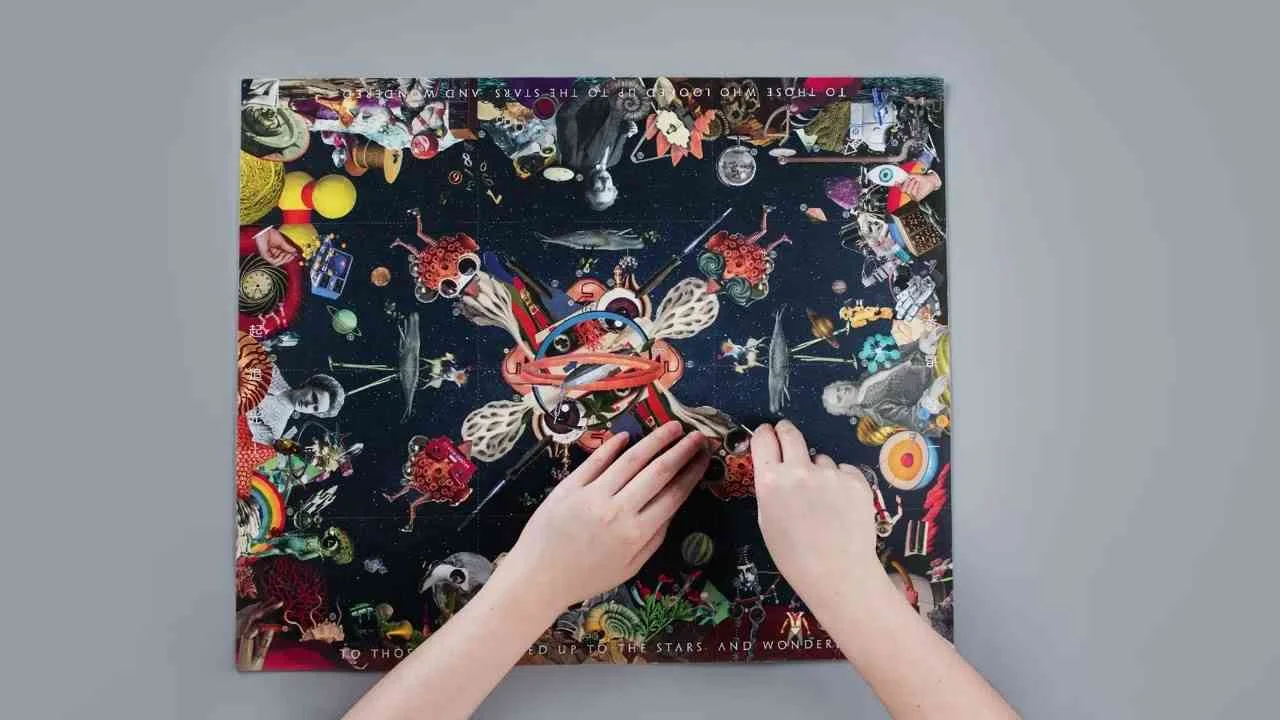
POSTER-POSTCARD-POST IT, created for the Tencent Youth Science Festival by Tencent in House, reframes the perennial challenge of disposable educational materials for children by transforming destruction into a launchpad for engagement and creativity. Where much of the market continues to lament the waste as campaign posters for kids are inevitably torn, discarded, or defaced, Tencent Youth Science Festival seizes this moment of chaos as an invitation for hands-on scientific exploration, making tactile deconstruction a core feature of its integrated campaign. In a market category crowded with passively received educational media, the campaign’s genius lies in its deliberate provocation — designing posters that demand to be destroyed and repurposed as postcards, and then encouraging children to post or share the remnants, ensuring the experience is as physically interactive as it is mentally stimulating. This playful, gamified approach aligns perfectly with the festival’s commitment to experiential STEM education, inviting its young Chinese audience to view the boundaries between play, learning, and environmental responsibility as porous and mutually enriching. The strategy draws from subtle behavioral science, tapping into the intrinsic satisfaction children derive from tactile exploration, and deftly redefines what it means to engage with science — not as something to be memorized, but as something to be actively constructed, deconstructed, and shared. The campaign, operating in the media and entertainment sector, achieves a fresh synthesis between creative education and sustainability, offering a powerful counterpoint to the traditional throwaway nature of conference collateral. What Clapboard’s taxonomy would classify as FORMAT#3—Symbolize the Problem, the creative device repositions the issue of waste — posters destined for the trash — as a symbol of scientific play and possibility, asking children and educators alike to see destruction as the first step toward invention. With its roots in Chinese language settings and its bold rejection of passive consumption, POSTER-POSTCARD-POST IT stands out as a new model for participatory youth marketing in education-focused campaigns, further distinguished by Tencent in House’s ability to harness local cultural insights with universal childhood instincts. The campaign earns 71/100 in Clapboard’s global creative archive. This campaign matters because it demonstrates that, in educational communications for children, catalyzing authentic interactivity can radically transform the meaning of engagement, even in spaces where “waste” might seem inevitable.





.webp)