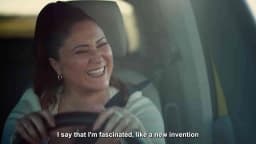
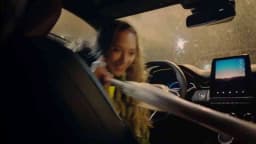
The Mitsubishi ‘Astronauts’ campaign, launched in Peru in September 2022 by Bowie Perú, centers on redefining the car-buying experience through convenience and accessibility. The core brand proposition emphasizes a seamless, innovative way for customers to discover, reserve, and purchase Mitsubishi vehicles remotely, eliminating the need for physical dealership visits. By promoting a new platform that allows clients to schedule video meetings with advisers, Mitsubishi positions itself as customer-centric and technologically forward, addressing modern consumers’ expectations for efficiency and flexibility.
Strategically, the campaign taps into the automotive market’s evolving demand for digital integration in the sales process. Recognizing that consumers increasingly seek online interactions before committing to a purchase, the campaign leverages humor within its creative execution to humanize and simplify the idea of remote car shopping. The title, "Astronauts," and associated video content suggest a futuristic, exploratory theme, aligning with the idea of navigating new territory—here, the virtual buying landscape. Targeting a tech-savvy audience accustomed to digital convenience, Mitsubishi aims to reduce friction in the traditional car-buying journey, appealing particularly to those reluctant to visit dealerships in person. This approach reflects an insight into shifting consumer behavior, where physical presence is no longer a prerequisite for engagement. Overall, the campaign applies a modern, lifestyle-oriented angle to connect with buyers by merging automotive innovation with digital accessibility, seeking to enhance brand relevance in a competitive market through a fresh, approachable message.
FORMAT#3 SYMBOLIZE THE PROBLEM — Uses symbols or analogies to represent the problem instead of showing it literally.
The campaign title “Astronauts” and the comedic angle (#Funnyvideo) suggest an analogy between car buyers and astronauts—implying that shopping for a car is as distant or challenging as going to outer space. Rather than literally showing the inconvenience of visiting a dealership, the creative device employs space travel symbolism to represent the problem of physical distance or effort involved. The solution—Mitsubishi’s virtual store—counteracts this “space mission” scenario, fitting perfectly with the use of a symbolic analogy for the problem.
ADVERTISING FORMATS EXPLAINED: https://www.clapboard.com/blog/branding-and-advertising/brand-strategy/12-advertising-creative-formats
1. Toyota – Market Positioning
Toyota leads the Peruvian automotive market with a reputation for reliability, fuel efficiency, and strong resale value. Their broad lineup caters to diverse customer needs, emphasizing durability and advanced hybrid technology, positioning them as a practical and eco-conscious choice.
2. Hyundai – Market Positioning
Hyundai combines modern design, competitive pricing, and robust warranty programs to appeal to value-driven customers. Their focus on contemporary features and technology integration makes them a strong contender for younger and tech-savvy buyers in Peru.
3. Chevrolet – Market Positioning
Chevrolet positions itself as a versatile and accessible brand, offering a wide range of vehicles from compact cars to trucks. They emphasize toughness and utility, catering to both urban drivers and commercial users seeking dependable performance.
4. Nissan – Market Positioning
Nissan markets its brand around innovation and performance, with a strong emphasis on safety and advanced driver-assistance systems. Their sporty designs and electric model offerings attract customers looking for a blend of style and technology.
5. Ford – Market Positioning
Ford leverages its global heritage of ruggedness and power, focusing on trucks and SUVs that appeal to outdoor and adventure enthusiasts. They highlight robust engineering, safety, and connectivity, targeting buyers who prioritize durability and a strong driving experience.
Q: What is Mitsubishi Store - Astronauts about?
A: Mitsubishi Store - Astronauts is a 2022 campaign created by Bowie Perú for Mitsubishi, launched in the Peruvian automotive market. The campaign centers on a new digital platform that enables customers to schedule video meetings with Mitsubishi advisers, allowing them to explore and understand vehicle features remotely without visiting a dealership. Through a single film asset, the campaign uses humor and a futuristic theme to position Mitsubishi as an innovator in digital car retail, targeting a tech-savvy audience seeking convenience and accessibility in the car-buying process.
Q: What creative device does Mitsubishi Store - Astronauts use?
A: Mitsubishi Store - Astronauts employs FORMAT#3 SYMBOLIZE THE PROBLEM, as classified by Clapboard's 12-format taxonomy. The campaign uses the analogy of astronauts and space travel to represent the perceived distance and challenge of traditional car shopping. Rather than depicting the inconvenience of dealership visits literally, the creative execution humorously equates the process to a space mission, making the problem relatable and memorable. This symbolic approach highlights the ease and accessibility of Mitsubishi’s new virtual store as the solution to the “distant” car-buying experience.
Q: What is the campaign proposition for Mitsubishi Store - Astronauts?
A: The campaign proposition for Mitsubishi Store - Astronauts positions Mitsubishi as a customer-centric and technologically forward brand, offering a seamless way to discover, reserve, and purchase vehicles remotely. By promoting a platform that enables video meetings with advisers, Mitsubishi addresses the growing demand for digital integration in automotive retail. The campaign targets consumers who value efficiency and flexibility, particularly those reluctant to visit dealerships in person, and underscores Mitsubishi’s commitment to innovation and relevance in a rapidly evolving market.
Q: How does Mitsubishi Store - Astronauts rank in Clapboard's archive?
A: Mitsubishi Store - Astronauts holds a Clapboard Campaign Score of 55/100. This score reflects the campaign’s creative ambition, execution quality, and cultural relevance as assessed by Clapboard’s global ad archive.
Q: Who are the competitors in Mitsubishi's category?
A: In the Peruvian automotive sector, Mitsubishi competes with several key brands. Toyota leads with a reputation for reliability, fuel efficiency, and strong resale value, appealing to practical and eco-conscious buyers. Hyundai attracts younger, tech-savvy consumers through modern design and technology integration at competitive prices. Chevrolet is positioned as a versatile and accessible choice, offering a broad range of vehicles for both urban and commercial needs. Nissan emphasizes innovation, safety, and sporty design, targeting those seeking advanced features and style, while Ford focuses on ruggedness and power, appealing to buyers who prioritize durability and adventure-ready vehicles.


 ARCHIVE
.webp)