Smartphone Addicts' Meeting - Wobu | Clapboard Ad Archive
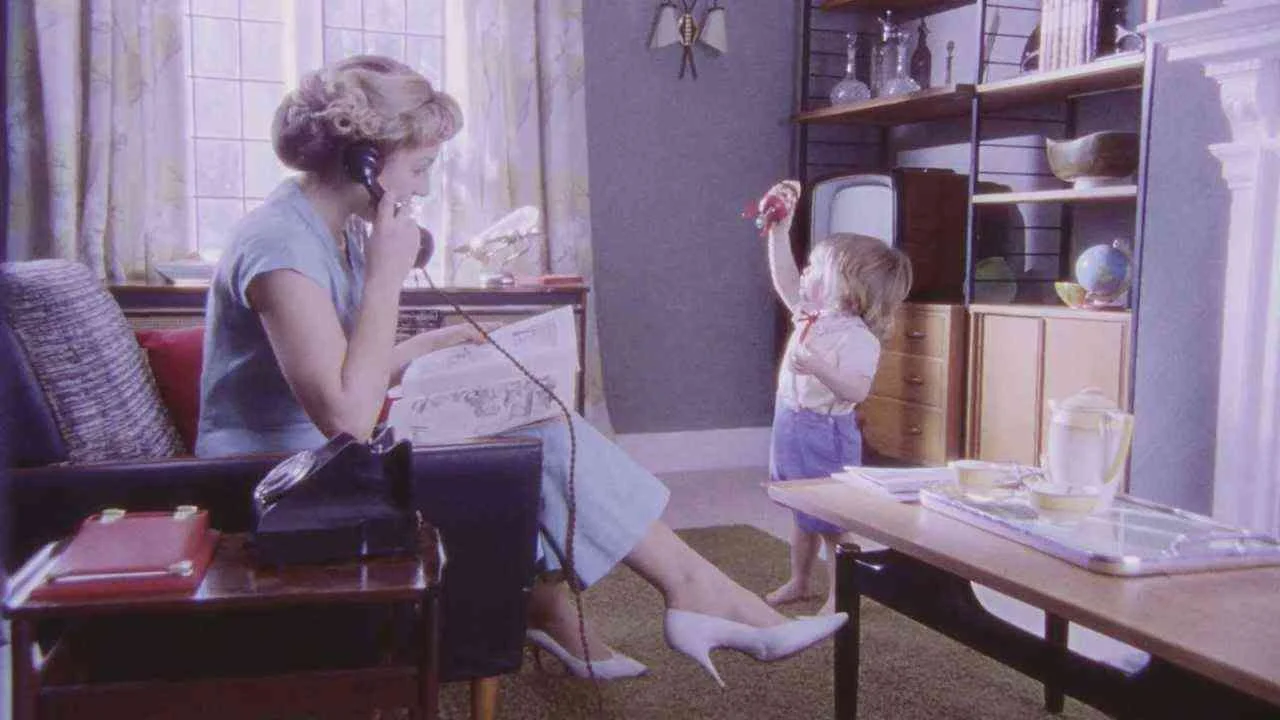
Wobu’s 2013 campaign Smartphone Addicts' Meeting made a pointed study of technology’s seasonal encroachment, hijacking the stylish Hoxton Hotel in Shoreditch and reimagining it as a tongue-in-cheek rehab centre for the digitally dependent just as the holiday period set in. Operating squarely within the Electronics and Technology market and executed in the film medium, the work set out to puncture the growing issue of smartphone overuse by transforming familiar support group rituals into a vehicle for cultural commentary, urging a recalibration of social priorities at Christmas. Through a creative mechanism that epitomizes what Clapboard’s taxonomy defines as FORMAT#12—Parody or Borrowed Format, Wobu playfully recast the self-recognition rituals of addiction group therapy to mirror society’s compulsive relationship with digital devices, assembling cast members in a group-therapy setting where attendees role-played their way through confessions of touchscreen triggers and phantom vibrations. Instead of pushing product utility, the film advanced an urgent call to action: set aside dopamine-chasing screen time and create real-world connections—what Wobu defined as sharing real emoticons, authentic likes, and a vibrant in-person social network. The campaign’s narrative visuals leaned heavily on emotional storytelling, deploying expressive performances and the visual language of recovery clinics to simultaneously satirize and sincerely confront the culture of mobile distraction. Underpinning its central film, Wobu supported the movement with an online portal—www.switchtochristmasmode.com—serving as both a manifesto and a digital pledge platform, extending its advocacy for digital responsibility into an actionable community impulse. While the campaign did not address the functional benefits of Wobu products directly, it worked to reposition the brand as a voice for technological mindfulness and social wellbeing, seeking to carve out leadership in a dialogue that would soon gain critical industry momentum. By choosing the parody format, the campaign bypassed didactic messaging in favor of provocative self-recognition, inviting audiences to laugh at their own digital habits while gently pointing toward the alternative of deliberate, device-free interaction with loved ones during a season notorious for its digital interruptions. Clapboard rates this 63/100. For creative marketers seeking signals on how brands can own conversations around digital well-being, Smartphone Addicts’ Meeting shows that playful appropriation of familiar genres can drive relevance when paired with a timely cultural challenge.










.webp)