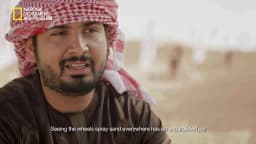
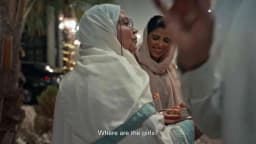
The 'Road to Mecca' campaign by Mercedes, launched in the UAE during Ramadan 2022, leverages the deep cultural significance of the pilgrimage to Mecca to underscore the brand’s promise of combining heritage with modern luxury. The campaign draws a parallel between the traditional, arduous journey made on camelback centuries ago and the contemporary ease of travel, positioning Mercedes as the vehicle that honors this rich legacy while offering sophistication, comfort, and efficiency. By framing the journey itself as a cathartic and soulful experience, the brand aligns its automotive offering not just with functionality, but with emotional and spiritual significance, enhancing the value proposition of Mercedes as more than a car—it's a facilitator of meaningful experiences.
Strategically, the campaign taps into a culturally resonant insight: while the pilgrimage’s physical challenges have largely been removed by modern transport, many still value the depth and spirituality found in the journey itself. By targeting consumers who appreciate tradition alongside modernity—likely affluent individuals in the UAE with both a connection to heritage and a demand for luxury—the campaign creatively bridges the sentimental and the contemporary. Utilizing film as the medium during Ramadan, a period of reflection and renewal, further amplifies the narrative’s emotional weight. The digital presence, including social media and website channels, suggests a focus on engaging a tech-savvy, brand-conscious audience who value both storytelling and premium automotive innovation. Ultimately, the campaign’s creative angle repositions the Mercedes-Benz experience as one that respects the past while offering a refined, modern means of embracing tradition.
FORMAT#3 SYMBOLIZE THE PROBLEM — Uses symbols or analogies to represent the problem instead of showing it literally.
This Mercedes campaign leverages historical and cultural symbolism to illustrate a lost experience: the immersive and arduous pilgrimage to Mecca once undertaken by camel, now bypassed by modern travel. Rather than directly detailing problems with today’s journeys, the campaign uses the metaphor of the pilgrimage’s lost richness to evoke a yearning for meaningful travel—suggesting Mercedes can recapture that depth. The narrative cues focus on “lost heritage” and position the drive itself as deeply soulful, aligning with a symbolic, rather than literal, creative device to address the problem of modern disconnection.
ADVERTISING FORMATS EXPLAINED: https://www.clapboard.com/blog/branding-and-advertising/brand-strategy/12-advertising-creative-formats
1. BMW – Market Positioning
BMW positions itself as the "Ultimate Driving Machine," focusing on performance, driving dynamics, and sporty luxury. It differentiates through a blend of innovative technology, driver engagement, and a premium yet dynamic brand experience aimed at customers seeking both sophistication and exhilaration in their vehicle.
2. Audi – Market Positioning
Audi emphasizes progressive technology, sleek design, and quattro all-wheel-drive performance. Its market position revolves around delivering modern luxury with advanced digital integration, comfort, and a high-tech aesthetic, appealing to tech-savvy, design-conscious customers who value innovation and understated elegance.
3. Lexus – Market Positioning
Lexus presents itself as a symbol of refined luxury, reliability, and exceptional customer service. Its strategic angle lies in combining cutting-edge hybrid technology with meticulous craftsmanship, targeting affluent buyers who prioritize comfort, longevity, and smooth, quiet rides over sporty performance.
4. Jaguar – Market Positioning
Jaguar positions as a British luxury brand combining sporty performance with elegant design and emotional appeal. Its differentiation centers on delivering distinctive styling and engaging driving dynamics, appealing to customers who want a blend of British heritage with modern luxury and agility.
5. Land Rover – Market Positioning
Land Rover focuses on rugged luxury and all-terrain capability. Its strategic positioning highlights premium SUVs that balance off-road prowess with refined interiors, targeting adventurous customers who seek a prestigious brand capable of handling both urban environments and extreme outdoor conditions.
Q: What is Road to Mecca about?
A: Road to Mecca is a 2022 film campaign created by Publicis Groupe for Mercedes in the United Arab Emirates. It explores the cultural and spiritual significance of the pilgrimage to Mecca, contrasting the historic, arduous journey by camel with the modern ease of travel. The campaign highlights how Mercedes-Benz bridges heritage and contemporary luxury by positioning the drive itself as a soulful, cathartic experience. Launched during Ramadan, it connects tradition with modern automotive sophistication, inviting audiences to rediscover the meaningfulness of the journey alongside the destination.
Q: What creative device does Road to Mecca use?
A: Road to Mecca employs FORMAT#3 SYMBOLIZE THE PROBLEM from Clapboard’s 12-format taxonomy, using symbolism and analogy rather than literal depiction. The campaign evokes the lost richness of the traditional pilgrimage journey by camel to represent a broader problem of modern disconnection from meaningful travel experiences. Instead of showing the challenges of contemporary travel directly, it uses the metaphor of a heritage lost over time to suggest that Mercedes can restore depth and soulfulness to the journey, aligning the brand with emotional and spiritual resonance.
Q: What is the campaign proposition for Road to Mecca?
A: The strategic positioning of Road to Mecca centers on Mercedes-Benz as a brand that honors cultural heritage while delivering modern luxury and comfort. Targeting affluent consumers in the UAE who value tradition alongside innovation, the campaign frames the pilgrimage journey as a cathartic and soulful experience. It emphasizes that Mercedes is more than a vehicle; it is a facilitator of meaningful personal and spiritual journeys. By aligning with Ramadan’s themes of reflection and renewal, the campaign deepens brand relevance in the automotive market through emotional storytelling and premium automotive technology.
Q: How does Road to Mecca rank in Clapboard's archive?
A: Road to Mecca holds a Clapboard Campaign Score of 63/100. This score reflects the campaign’s creative ambition, execution quality, and cultural relevance as assessed by Clapboard’s global ad archive. The rating indicates the campaign’s effectiveness in combining a culturally resonant narrative with high production values and strategic brand positioning within the automotive sector.
Q: Who are the competitors in Mercedes' category?
A: Mercedes competes with several luxury automotive brands, each with distinct market positioning. BMW is known as the Ultimate Driving Machine, focusing on performance and sporty luxury for customers seeking exhilaration. Audi emphasizes progressive technology, sleek design, and advanced digital integration for tech-savvy buyers. Lexus offers refined luxury, reliability, and hybrid technology targeting those who prioritize comfort and craftsmanship. Jaguar blends British heritage with sporty performance and elegant design, appealing to customers valuing emotional appeal. Land Rover specializes in rugged luxury and all-terrain capability, catering to adventurous consumers seeking versatility and prestige.


 ARCHIVE
.webp)