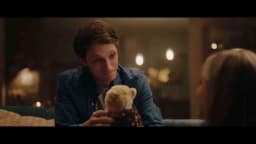
The campaign “The Mud Runway” by Kuling, launched during Stockholm Fashion Week 2022, challenges conventional fashion norms by reimagining what a runway show should represent. Positioned within the often-criticized retail fashion landscape, the campaign confronts the unhealthy beauty standards, elitism, and environmental unsustainability associated with global fashion weeks. Kuling, a Swedish kids’ clothing brand, leverages this cultural moment to articulate a brand proposition centered on authenticity, inclusivity, and sustainability. By showcasing children playing and interacting with a less polished, more natural environment—a muddy runway—the brand communicates values of freedom, joy, and real-world engagement over superficial glamour.
The market strategy strategically taps into growing consumer discontent with traditional fashion industry practices. It uses a narrative-driven, experiential format that contrasts sharply with the high-gloss runway aesthetic, positioning Kuling as an alternative voice championing honest, child-centric clothing grounded in practical use and ethical considerations. Targeting parents and socially conscious consumers who prioritize sustainability and healthy role models for children, the campaign aligns with broader societal conversations about redefining beauty and responsible consumption. By integrating the campaign into Stockholm Fashion Week—a global platform known for conventional glamour—Kuling effectively amplifies its critique from within, using the familiar context to highlight a fresh, more inclusive vision. This creative angle leverages cultural zeitgeist and parent values to foster brand differentiation in a competitive retail segment.
FORMAT#12 PARODY OR BORROWED FORMAT — Uses or parodies pop culture formats like films, shows, or genres.
This campaign most clearly aligns with the “Parody or Borrowed Format” technique. The title “The Mud Runway” and multiple references to Fashion Weeks signal that Kuling borrowed the established high-fashion runway template and subverted it—using mud and a playful, kid-centric spin to highlight their own ethos. Rather than simply telling a story or demonstrating the product, the campaign critiques and lampoons conventional fashion by restaging it in a humorous, unexpected, and symbolic way, transforming elite glamour into an approachable, down-to-earth event. This meta-commentary on fashion events leverages the audience’s familiarity with the fashion show genre, making the parody central to both the message and the creative execution.
ADVERTISING FORMATS EXPLAINED: https://www.clapboard.com/blog/branding-and-advertising/brand-strategy/12-advertising-creative-formats
1. Polarn O. Pyret – Known for durable, functional, and sustainable children’s clothing, Polarn O. Pyret emphasizes organic materials and Scandinavian design. Their positioning revolves around quality, longevity, and environmental responsibility, appealing to eco-conscious parents seeking practical style for active kids.
2. Mini Rodini – Positioned as a leader in sustainable kids' fashion, Mini Rodini combines playful, creative designs with strong commitments to ethical production and eco-friendly materials. The brand targets environmentally aware consumers who value innovation and storytelling in children’s apparel.
3. Lindex Kids – As part of a larger fashion retailer, Lindex Kids offers affordable, trendy, and accessible children’s wear with a growing focus on sustainability and inclusivity. Their strategic angle centers on balancing style, price, and responsible sourcing to appeal broadly across the Nordic market.
4. Name It (part of Bestseller) – With vibrant, colorful basics and casual wear, Name It targets price-sensitive families looking for accessible and on-trend kidswear. The brand integrates sustainable initiatives to boost appeal, focusing on everyday comfort and practicality without compromising style.
5. Fjällräven Kids – Leveraging the heritage of its outdoor lifestyle brand, Fjällräven Kids combines durable, functional outerwear with a strong environmental and ethical stance. They strategically focus on sustainability and timeless design suitable for active, nature-loving families.
Q: What is The Mud Runway about?
A: The Mud Runway is a 2022 campaign from Swedish kids’ clothing brand Kuling, created in partnership with Eljest Agency and launched during Stockholm Fashion Week. Positioned within the retail sector, the campaign reimagines the traditional fashion show by staging a playful, muddy runway for children, directly challenging the industry’s focus on glamour, exclusivity, and unrealistic beauty standards. By leveraging an experiential approach, The Mud Runway highlights Kuling’s commitment to authenticity, inclusivity, and sustainability, using a single impactful media asset to spark conversation about what fashion events could and should represent in today’s market.
Q: What creative device does The Mud Runway use?
A: The Mud Runway employs the Parody or Borrowed Format, classified as Format #12 in Clapboard’s 12-format taxonomy. This approach borrows the familiar high-fashion runway template and subverts it by replacing polished glamour with a muddy, child-centric spectacle. By lampooning the conventions of global fashion weeks, the campaign uses parody as both a creative and strategic device, making its critique of the industry’s norms instantly recognizable. The playful restaging transforms an elite event into something accessible and real, leveraging audience familiarity with fashion shows to deliver its message with cultural resonance.
Q: What is the campaign proposition for The Mud Runway?
A: The campaign proposition for The Mud Runway centers on Kuling’s vision of fashion as authentic, inclusive, and sustainable, in direct contrast to the unhealthy beauty standards and elitism often associated with global fashion weeks. Targeting parents and socially conscious consumers, Kuling positions itself as a brand that prioritizes real-world engagement and ethical considerations over superficial glamour. By integrating the campaign into Stockholm Fashion Week, Kuling amplifies its message within a traditionally exclusive context, inviting the industry and its audience to reconsider what constitutes beauty, style, and responsible consumption in children’s fashion.
Q: How does The Mud Runway rank in Clapboard's archive?
A: The Mud Runway holds a Clapboard Campaign Score of 63/100 in Clapboard’s global ad archive. This score reflects the campaign’s creative ambition, execution quality, and cultural relevance as evaluated by Clapboard’s editorial team.
Q: Who are the competitors in Kuling's category?
A: In the Nordic children’s fashion market, Kuling competes with Polarn O. Pyret, which is known for its durable, sustainable clothing and Scandinavian design; Mini Rodini, recognized for creative, eco-friendly apparel with a strong ethical stance; Lindex Kids, which offers accessible, trendy children’s wear with a growing focus on sustainability and inclusivity; Name It, targeting price-sensitive families with colorful basics and practical style; and Fjällräven Kids, which leverages outdoor heritage to deliver functional, environmentally responsible outerwear for active families.


 ARCHIVE
.webp)