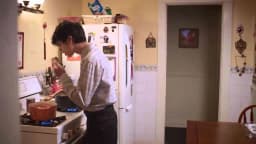
Home Timber & Hardware’s "Brekky in Shed" campaign leverages a distinctly Australian cultural insight to position the brand as attuned to the practical, no-nonsense values of its target audience—primarily working-class men and their families. The brand proposition centers on offering authentic, relatable moments rather than conventional or sentimental gestures. By focusing on the rugged nature of the traditional “old man,” the campaign acknowledges that some customers value toughness and hands-on activities over softness or pampering. This aligns Home Timber & Hardware’s retail services with a deeper understanding of its customer’s lifestyle, conveying that the brand supports and celebrates everyday working men in a genuine, grounded way.
Strategically, the campaign taps into Father’s Day as a relevant occasion, but intentionally subverts the customary "brekky in bed" gesture to something more aligned with the audience’s identity—“brekky in shed.” This creative approach uses humor and local vernacular to connect emotionally with Australian consumers, fostering a sense of shared culture and humor. By situating the setting within the shed, a universal symbol of hands-on work and craftsmanship, the campaign reinforces the brand’s association with reliable tools and hardware. The moderate engagement metrics indicate a modest but targeted reach, consistent with a niche appeal rather than mass-market saturation. Overall, the campaign’s success lies in its insightful cultural relevance and narrative tone that resonates authentically with its segment, positioning Home Timber & Hardware as more than just a retailer, but a partner in everyday life for its customers.
FORMAT#2 SHOW THE PROBLEM — Highlights a relatable problem, then shows the product as the solution.
This campaign revolves around the Father’s Day tradition of giving breakfast in bed, which is humorously framed as too "soft" for a tough, “hard as nails” dad. The narrative sets up a common problem: standard Father’s Day gifts may not suit this audience’s rugged stereotype. The creative twist is to serve "Brekky in Shed" instead (implying the use of Home Timber & Hardware products and environment), positioning the brand as the solution that understands and provides what these dads actually want. The ad spotlights the problem and uses the product’s context as the answer, making "Show the Problem" the most accurate creative device here.
ADVERTISING FORMATS EXPLAINED: https://www.clapboard.com/blog/branding-and-advertising/brand-strategy/12-advertising-creative-formats
1. Bunnings Warehouse – Market Positioning
Bunnings Warehouse positions itself as the dominant one-stop shop for DIY, home improvement, and garden supplies in Australia. Known for its wide product range, competitive pricing, and "lowest prices are just the beginning" campaign, it targets both trade professionals and everyday consumers, emphasizing value, convenience, and expert advice.
2. Mitre 10 – Market Positioning
Mitre 10 brands itself around community and local expertise, positioning as a friendly neighborhood hardware store. It focuses on personalized customer service, supporting tradies and DIYers alike, and promoting the “helpful hardware” ethos, linking strong local relationships with reliable product availability.
3. Masters Home Improvement – Market Positioning
Before exiting the market, Masters Home Improvement targeted the mid-to-high end of the home improvement sector, combining hardware with lifestyle products. It tried to differentiate with a modern, easy-to-navigate shopping experience and a broader range of home décor and gardening products beyond traditional hardware.
4. Stratco – Market Positioning
Stratco differentiates by specializing in outdoor living solutions, offering high-quality metal building products, fencing, patio covers, and garage doors. Its strategic angle focuses on durability, customizability, and servicing both consumer and commercial clients seeking specialized home and outdoor infrastructure products.
5. Home Hardware – Market Positioning
Home Hardware positions itself as a trusted, community-focused hardware retailer with an emphasis on local ownership. It highlights customer service and knowledge while delivering a tailored product range suited to regional and rural markets, fostering strong ties with local trades and DIY enthusiasts.
Q: What is Brekky in shed about?
A: Brekky in shed is a professional campaign launched in Australia in 2015 for Home Timber & Hardware, created by the agency Cummins&Partners. The campaign was developed for the Retail Services sector and centers on a humorous and culturally resonant twist for Father’s Day, suggesting that tough, practical dads would prefer breakfast in the shed over the traditional breakfast in bed. The film medium brings this idea to life by showcasing relatable family dynamics and positioning the shed as a dad’s sanctuary, reinforcing Home Timber & Hardware’s connection to DIY culture and its core audience.
Q: What creative device does Brekky in shed use?
A: Brekky in shed employs the Show the Problem format, as classified by Clapboard’s 12-format taxonomy. The campaign highlights a familiar issue—conventional Father’s Day gestures like breakfast in bed may not suit the rugged, hands-on dads at the heart of Home Timber & Hardware’s audience. By reframing the occasion and presenting breakfast in the shed as the solution, the campaign uses humor and authenticity to connect with viewers, while seamlessly integrating the brand’s products and environment as part of the answer.
Q: What is the campaign proposition for Brekky in shed?
A: The campaign proposition for Brekky in shed positions Home Timber & Hardware as a brand deeply attuned to the practical, no-nonsense values of working-class Australian men and their families. By subverting the sentimental tradition of breakfast in bed and celebrating the shed as a symbol of masculine identity, the campaign speaks directly to DIY enthusiasts who value authenticity and hands-on living. This strategic approach reinforces the brand’s role as a genuine partner in everyday life, supporting customers who prioritize practicality and cultural relevance over conventional gestures.
Q: How does Brekky in shed rank in Clapboard's archive?
A: Brekky in shed holds a Clapboard Campaign Score of 63/100 in Clapboard’s global ad archive. This score reflects the campaign’s creative ambition, execution quality, and cultural relevance within the context of the Retail Services sector.
Q: Who are the competitors in Home Timber & Hardware's category?
A: In the Australian retail hardware landscape, Home Timber & Hardware competes with Bunnings Warehouse, which dominates as a one-stop shop for DIY and home improvement with a focus on range and value; Mitre 10, which emphasizes community ties and personalized service; Masters Home Improvement, which before its exit targeted the mid-to-high end with a modern retail experience; Stratco, specializing in outdoor living and durable metal products; and Home Hardware, which leverages local ownership and tailored offerings to serve regional and rural markets.


 ARCHIVE
.webp)