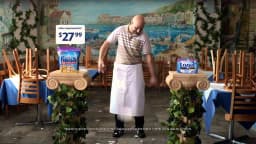
The "Princess, Builder, Artist" campaign by Monster Factory, developed by Havas in 2015, leverages narrative storytelling to challenge conventional perceptions within the retail services space. The campaign’s brand proposition centers on redefining identity and creativity, suggesting that individuals labeled as "monsters" in society can, in fact, embody diverse, relatable, and aspirational roles—such as princesses, builders, or artists. This humanizing approach positions Monster Factory as a brand attuned to individuality and transformation, reinforcing its value as a creative partner that fosters unique expressions rather than conforming to stereotypes.
From a market strategy perspective, the campaign uses an insightful characterization tactic to engage its Canadian audience—particularly those interested in retail services that support creative industries. By juxtaposing unexpected archetypes with the concept of “monsters,” the campaign breaks down barriers of categorization and taps into a broader cultural conversation about identity and self-expression. The choice of film as a medium further amplifies this narrative depth, allowing for emotional storytelling that resonates with viewers on an individual level. The modest digital footprint, as indicated by YouTube views and engagement metrics, suggests a niche but focused appeal, targeting viewers who appreciate layered, narrative-driven content over mass-market spectacle. This creative angle aligns effectively with Monster Factory’s positioning as an innovative, narrative-forward brand that caters to clients seeking storytelling that pushes beyond traditional retail advertising.
FORMAT#9 SYMBOLIZE THE BENEFIT — Uses symbols or exaggerated visuals to represent the product’s positive impact.
This campaign most likely utilizes the "Symbolize the Benefit" format. The titles "Princess, Builder, Artist" and the observation that "Clementine isn't such a monster after all... comparatively speaking" hint at the use of playful, archetypal character roles and contrasts to personify qualities or benefits of Monster Factory’s offerings. Instead of literal demonstrations, the narrative appears to cast monsters as stand-ins for children’s creativity, imagination, and diverse personalities, symbolizing the positive impact of the product—empowerment, individuality, and emotional connection. These symbolic roles and comparisons serve to make the benefit (uniquely imaginative plush toys or characters) visually and narratively clear, in line with the "Symbolize the Benefit" classic advertising device.
ADVERTISING FORMATS EXPLAINED: https://www.clapboard.com/blog/branding-and-advertising/brand-strategy/12-advertising-creative-formats
1. Canadian Tire – Market Positioning
Canadian Tire positions itself as a one-stop retail destination offering a wide range of products, from automotive to home goods. Its strategic emphasis on convenience, strong loyalty programs, and a blend of physical and online retail experiences distinguish it as a trusted, community-focused retailer across Canada.
2. Hudson’s Bay – Market Positioning
Hudson’s Bay leverages its heritage as Canada’s iconic department store, emphasizing premium quality and a curated assortment of fashion, beauty, and home products. Its strategy centers on blending traditional department store elegance with modern retail innovations and exclusive brand partnerships.
3. Walmart Canada – Market Positioning
Walmart Canada competes on price leadership and extensive product variety, focusing on value-conscious consumers. Its strategic angle involves high-volume sales, efficient supply chains, and a growing omnichannel approach that includes online grocery and general merchandise to meet everyday needs.
4. IKEA Canada – Market Positioning
IKEA Canada differentiates by offering affordable, Scandinavian-designed furniture and home essentials with a focus on functionality and sustainability. Their self-service model, inspiring showrooms, and do-it-yourself assembly approach target young families and urban dwellers seeking stylish yet budget-friendly solutions.
5. Best Buy Canada – Market Positioning
Best Buy Canada positions itself as the go-to retailer for consumer electronics and appliances, combining expert advice with a broad product selection. Its strategic focus includes enhancing the in-store customer experience, leveraging Geek Squad services, and integrating an omnichannel retail model for convenience and support.
Q: What is Princess, Builder, Artist about?
A: Princess, Builder, Artist is a professional campaign launched in Canada in 2015 for Monster Factory, developed by the agency Havas. The campaign consists of three film assets that use imaginative storytelling to explore creative roles and challenge traditional perceptions of identity. Through playful narratives—such as the story of Clementine, a character who subverts expectations of what it means to be a monster—the campaign positions Monster Factory as a brand that celebrates individuality and emotional connection. High production values and a collaborative team of industry specialists contribute to a polished and engaging viewer experience within the retail services sector.
Q: What creative device does Princess, Builder, Artist use?
A: Princess, Builder, Artist employs the Symbolize the Benefit format, as classified by Clapboard’s 12-format taxonomy. This creative device uses symbolic characters and exaggerated visuals to represent the positive impact of Monster Factory’s products. By casting monsters in the roles of princess, builder, and artist, the campaign visually and narratively communicates themes of empowerment, creativity, and individuality. Rather than relying on literal demonstrations, the films use archetypes and contrasts to make the benefits of Monster Factory’s offerings clear, aligning with the classic advertising approach of symbolizing the product’s value.
Q: What is the campaign proposition for Princess, Builder, Artist?
A: The campaign proposition for Princess, Builder, Artist centers on redefining identity and creativity within the retail services space. Monster Factory positions itself as a brand that sees beyond labels, suggesting that those perceived as “monsters” can embody diverse and aspirational roles such as princesses, builders, or artists. This strategy targets audiences interested in creative self-expression and transformation, reinforcing Monster Factory’s value as a partner in fostering individuality. By challenging stereotypes and celebrating unique personalities, the campaign delivers a message that resonates within a market seeking innovative and emotionally resonant retail storytelling.
Q: How does Princess, Builder, Artist rank in Clapboard's archive?
A: Princess, Builder, Artist holds a Clapboard Campaign Score of 67/100 in Clapboard’s global ad archive. This score reflects the campaign’s creative ambition, execution quality, and cultural relevance as evaluated by Clapboard’s curatorial standards.
Q: Who are the competitors in Monster Factory's category?
A: In the Canadian retail landscape, Monster Factory competes with brands such as Canadian Tire, which is known for its broad product range and community-focused convenience; Hudson’s Bay, which emphasizes premium quality and a blend of tradition with modern retail innovation; Walmart Canada, which leads on price and product variety with a strong omnichannel approach; IKEA Canada, which stands out for affordable, design-driven home solutions targeting young families and urban dwellers; and Best Buy Canada, which focuses on consumer electronics expertise and integrated in-store and online experiences.


 ARCHIVE
.webp)