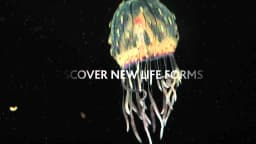
The "Epic journeys" campaign by Greyhound, launched in 2014 in the United States, positions the brand as a facilitator of meaningful travel experiences rather than just transportation. The campaign’s narrative approach emphasizes the significance and drama of personal journeys, suggesting that Greyhound enables passengers to embark on transformative or memorable adventures. This brand proposition moves beyond functional benefits, aiming to evoke an emotional connection by framing the bus ride as part of larger, epic life moments.
From a market strategy perspective, the campaign leverages storytelling to engage a travel or leisure audience likely seeking affordable yet impactful travel options. By adopting a narrative genre, the creative angle highlights the character and story within each journey, appealing to viewers who value experiences over mere logistics. The choice to focus on “epic journeys” suggests an insight that travel is not just about reaching a destination but about the stories accumulated en route. Targeting a broad demographic within the transport market, Greyhound aims to differentiate itself from competitors by elevating the perception of bus travel through cinematic storytelling, despite limited digital engagement metrics observable with minimal views and interaction on the campaign’s YouTube presence. This approach reflects a strategic alignment with emotional resonance over direct product promotion, positioning Greyhound as a brand that supports meaningful travel experiences grounded in narrative depth rather than solely on service features.
FORMAT#9 SYMBOLIZE THE BENEFIT — Uses symbols or exaggerated visuals to represent the product’s positive impact.
The campaign title “Epic journeys,” combined with its narrative genre and the context of Greyhound—a transportation brand in the travel/leisure sector—implies that the advertisement elevates ordinary travel to something grand. The phrasing doesn’t indicate a literal demonstration, a testimonial, or explicit storytelling with plot and resolution. Instead, “epic journeys” likely uses symbolic visuals or grand analogies to dramatize how riding Greyhound transforms travel into a thrilling, memorable experience, thus symbolizing the benefit rather than depicting it literally or through problem–solution framing.
1. Megabus – Positioned as an ultra-low-cost intercity bus service, Megabus emphasizes affordability and convenience with online booking and free Wi-Fi, targeting budget-conscious travelers seeking direct routes in major metropolitan areas across the US.
2. Amtrak – Differentiates itself through comfortable, scenic rail travel with spacious seating and onboard amenities, appealing to customers valuing experience and reliability over speed, focusing on longer-distance journeys and connecting key cities nationwide.
3. BoltBus – Combines competitive pricing with premium services such as extra legroom, power outlets, and free Wi-Fi, targeting business and leisure travelers looking for a balance of comfort and affordability on popular East Coast routes.
4. Peter Pan Bus Lines – Markets itself as a family-owned, reliable regional bus operator with strong presence in the Northeast, emphasizing customer service, frequent schedules, and connecting smaller cities underserved by larger carriers.
5. Grey Line – Focuses on guided sightseeing tours and travel experiences rather than simple point-to-point transportation, differentiating through curated leisure travel offerings and established tour packages across major US cities.
Q: What is Epic journeys about?
A: Epic journeys is a professional film campaign launched in the United States in 2014 for Greyhound, developed by the agency Screenvision. The campaign was designed to position Greyhound as more than a transport provider, instead framing it as an enabler of transformative and memorable travel experiences. Through a single, cinematic media asset, Epic journeys leverages emotive storytelling to highlight the drama and significance of long-distance travel, inviting viewers to see Greyhound as a gateway to adventure, connection, and discovery. The campaign targets travelers and transport users, aiming to strengthen Greyhound’s brand identity within the competitive travel and leisure sector.
Q: What creative device does Epic journeys use?
A: According to Clapboard’s 12-format taxonomy, Epic journeys employs FORMAT#9 SYMBOLIZE THE BENEFIT, which uses symbols or exaggerated visuals to represent the product’s positive impact. Rather than depicting literal travel scenarios or focusing on functional attributes, the campaign elevates the act of riding Greyhound to something grand and meaningful through cinematic storytelling. This approach dramatizes the emotional and experiential benefits of bus travel, positioning Greyhound as a facilitator of epic and memorable journeys, and engaging audiences on a symbolic and aspirational level.
Q: What is the campaign proposition for Epic journeys?
A: The campaign proposition for Epic journeys positions Greyhound as a brand that enables meaningful travel experiences, moving beyond the basic function of transportation. By emphasizing the narrative and emotional aspects of travel, the campaign appeals to a broad audience seeking affordable yet impactful journeys. The strategic focus is on framing each bus ride as part of a larger, epic life story, resonating with viewers who value the journey as much as the destination. This approach differentiates Greyhound in the travel and leisure market by prioritizing emotional connection and storytelling over direct product promotion.
Q: How does Epic journeys rank in Clapboard's archive?
A: Epic journeys holds a Clapboard Campaign Score of 58/100 in Clapboard’s global ad archive. This score reflects the campaign’s creative ambition, execution quality, and cultural relevance as assessed by Clapboard’s curatorial standards.
Q: Who are the competitors in Greyhound's category?
A: In Greyhound’s transport and travel category, key competitors include Megabus, which targets budget-conscious travelers with ultra-low-cost, direct intercity routes and online booking; Amtrak, which appeals to customers seeking comfortable, scenic rail journeys with onboard amenities; BoltBus, which offers a blend of affordability and premium services like extra legroom and Wi-Fi for business and leisure travelers; Peter Pan Bus Lines, known for its regional reliability and strong customer service in the Northeast; and Grey Line, which differentiates itself through curated sightseeing tours and travel experiences in major US cities.


 ARCHIVE
.webp)