Greater Chicago Food Depository's Pass the Plate campaign, created by Leo Burnett in 2013, turned a virtual donation plate into a shareable community hunger

How Leo Burnett Turned a Dinner Plate Into a Digital Hunger Drive for Greater Chicago Food Depository
Pass the Plate is a December 2013 digital public service campaign created by Leo Burnett for the Greater Chicago Food Depository, built around a virtual donation plate at thedonationplate.org that United States users could fund, sign, and share across social networks to address daily food insecurity in Chicago.
The Greater Chicago Food Depository anchors the campaign in one stark local reality: approximately one in six Chicagoans faced hunger every day, according to the depository's own campaign materials. That single statistic drives every creative and strategic decision. Rather than asking audiences to absorb an abstract problem, Leo Burnett translated the familiar ritual of passing a dinner plate at the family table into a digital, scalable fundraising mechanism. Visitors to thedonationplate.org could donate to an existing plate, add their name to a plate already in circulation, or originate a new fundraising plate of their own and push it outward through Facebook and other social channels.
Launched on November 21, 2013, the campaign carried the tagline "No 1 Should Go Hungry," a line that folded numerical emphasis directly into its moral argument. The activation centred on an explanatory video that introduced the social-donation-plate concept, giving the platform both an emotional entry point and a shareable asset. In the United States, where digital peer-to-peer fundraising was still establishing its norms during 2013, the mechanics were genuinely novel for a regional food bank of this scale. The campaign drew on the credibility of Chicago's cultural community: Chicago Bulls players, Chicago Fire players, meteorologist Tom Skilling, actress Cecily Strong, and chef Rick Bayless each sponsored or endorsed plates, lending the drive recognisable local faces across sport, media, food, and entertainment. Clapboard Score: 63/100.
Leo Burnett identified a gap between public willingness to help and the absence of an emotionally direct channel for doing so. The strategic premise is that people respond to concrete, familiar gestures — and that the act of passing a plate carries near-universal cultural meaning across the United States. By digitising that gesture, the agency created a fundraising unit that felt personal rather than transactional.
The campaign operated inside a food-insecurity landscape of considerable scale. According to Feeding America, approximately 46 million people relied on Feeding America-affiliated food banks and pantries during 2013, and the network as a whole provided approximately 3.2 billion meals that year, as reported by Feeding America. Those figures establish the national dimension of a crisis that Pass the Plate addressed at the municipal level. The Greater Chicago Food Depository sits within that national network, meaning local donations connect to a broader infrastructure of distribution and sourcing.
In the United States nonprofit sector, peer-to-peer digital fundraising was becoming a meaningful acquisition channel during this period, and Pass the Plate positioned the Greater Chicago Food Depository ahead of many comparable regional organisations in adopting the format. Competitors for donor attention in the Chicago market included the Northern Illinois Food Bank and national organisations such as Feeding America operating directly through digital channels. By grounding the campaign in a specifically Chicago statistic — one in six residents — Leo Burnett gave the depository a local ownership of the hunger conversation that broader national campaigns could not replicate. The documentary and social-experiment framing reinforced authenticity, positioning the brand not as a charity making an ask but as a community institution reflecting the city's responsibility back to itself.
Leo Burnett built Pass the Plate around a documentary and social-experiment aesthetic, a deliberate choice that separates observation from persuasion and allows the subject matter to carry its own emotional weight. The campaign's credited creative team includes Chief Creative Officer Susan Credle, Creative Directors Eric King and Chad Verly, Copywriter John Regan, and Art Director Michael Sutton, with account leadership from Ang Puglise, according to campaign records documented by adsoftheworld.com and Kampaniespoleczne Pl.
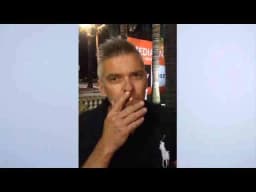
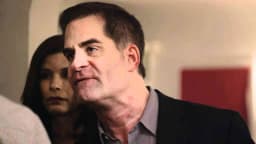
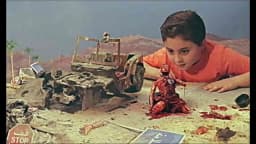
The central media asset is a video that explains the social-donation-plate mechanism while grounding the concept in the lived reality of hunger in Chicago. Rather than relying on conventional charity imagery — hardship portrayed from a distance — the creative approach leans into the participatory dimension of the platform itself. The plate is not merely a metaphor; it is a functional interface that visitors interact with, and the film exists to show them how and why. This integration of product and narrative is a structurally efficient choice, collapsing the gap between awareness and action into a single viewing experience.
The thedonationplate.org platform extended the creative logic into user experience design. The ability to personalise a plate, see whose names are already on it, and push it into a social network feed introduces a social-proof dynamic rarely built into food-bank campaigns of this era. In the United States digital environment of 2013, most nonprofit digital campaigns stopped at a donate button; Pass the Plate added layers of identity and community visibility that gave participation a public dimension. The involvement of Chicago Bulls and Chicago Fire players alongside cultural figures like Rick Bayless and Cecily Strong was not incidental casting — it seeded the network with plates that already carried reach, giving the viral loop a structural head start.
No independently verified performance data for Pass the Plate — including total donations raised, number of plates created, or conversion rates from thedonationplate.org — is publicly available at the time of writing. Campaign-level metrics were not disclosed by the Greater Chicago Food Depository or Leo Burnett in publicly accessible sources. The campaign's archive entry on adsoftheworld.com recorded 2,950 views and one like within the platform's own community, figures that reflect professional peer visibility rather than public reach.
Structurally, however, the campaign contains several effectiveness indicators that are worth examining on their own terms. The peer-to-peer mechanic generates compounding distribution: each plate shared is a new acquisition touchpoint that costs the campaign nothing beyond the infrastructure already built. The involvement of athletes from the Chicago Bulls and Chicago Fire, alongside a nationally recognised chef in Rick Bayless and a then-rising television personality in Cecily Strong, gave the network a set of high-reach seed plates capable of reaching audiences well beyond the depository's existing donor base. According to Feeding America, the national food-bank network directed more than 98 percent of operating expenses to programme activities during fiscal 2013, establishing the broader sector's credibility — a reputational environment that benefits individual member organisations like the Greater Chicago Food Depository when making public donation appeals. The campaign's core compression of awareness, empathy, and action into a single digital object represents a model that remained influential in United States nonprofit digital strategy well beyond 2013.
Pass the Plate was a 2013 digital campaign created by Leo Burnett for the Greater Chicago Food Depository. It launched on November 21, 2013, and invited United States users to donate through a virtual plate at thedonationplate.org, sign existing plates, or create their own and share them on Facebook to fight Chicago hunger.
Leo Burnett created Pass the Plate for the Greater Chicago Food Depository in 2013. The credited team included Chief Creative Officer Susan Credle, Creative Directors Eric King and Chad Verly, Copywriter John Regan, Art Director Michael Sutton, and account lead Ang Puglise, according to records documented by adsoftheworld.com and kampaniespoleczne.pl.
Leo Burnett identified that people are willing to help but lack an emotionally direct channel to do so. The agency translated the universal gesture of passing a dinner plate into a shareable digital donation mechanic, grounding the appeal in the fact that approximately one in six Chicagoans faced hunger daily, per Greater Chicago Food Depository campaign materials.
Pass the Plate drew support from Chicago Bulls players, Chicago Fire players, chef Rick Bayless, actress Cecily Strong, and meteorologist Tom Skilling, according to campaign documentation on kampaniespoleczne.pl. Each supporter sponsored or endorsed a plate, seeding the social network with high-reach fundraising units to accelerate peer-to-peer distribution across the United States.
Pass the Plate holds a Clapboard Score of 63 out of 100. The score reflects the campaign's structurally sound peer-to-peer digital mechanic and culturally grounded creative concept, balanced against limited publicly verified performance data and a media footprint of a single asset, which constrains assessment of sustained audience impact in the United States market.
Pass the Plate launched in a United States context where, according to Feeding America, approximately 46 million people relied on food banks and pantries in 2013. The campaign addressed that national crisis at the Chicago level, giving the Greater Chicago Food Depository local ownership of the hunger conversation that national campaigns from organisations like Feeding America could not replicate regionally.
.webp)
Creative Collaboration Platform: The Backbone of Modern Creative WorkWhat is a creative collaboration platform?Clapboard defines a creative collaboration platform as the operational core for today’s distributed creative teams. This is not a collection of digital collaboration tools stitched together; Clapboard’s system


Understanding the Creative Production MarketplaceWhat is a Creative Production Marketplace?Clapboard defines a creative production marketplace as a structured ecosystem where brands, agencies, and production talent converge to execute video, advertising, and branded content at scale. Unlike the legacy agency or freelanREAD FULL ARTICLE

The Urgent Need for a Creative Production Operating SystemWhy Traditional Creative Production Models Break DownClapboard sees the creative production landscape shifting under pressure. Content velocity is no longer a buzzword—it’s a mandate. Modern advertising demands relentless output across dozens of channels, each wREAD FULL ARTICLE