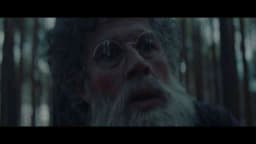
The "One Step Closer To Home" campaign by Great Ormond Street Hospital Children’s Charity strategically harnesses the emotional power of personal narrative to underscore its core brand proposition: every seriously ill child deserves the chance to be at home with their family, especially during Christmas. By focusing on Henry, a real patient who has spent multiple Christmases hospitalized, the campaign personalizes the charity’s mission, positioning donations as a direct means to help children take tangible steps toward recovery and reunion with loved ones. This creates a clear value promise—that contributions not only fund treatment but also facilitate moments of normalcy and comfort for vulnerable children.
From a market strategy perspective, the campaign utilizes an authentic storytelling approach through animation that sensitively depicts Henry’s medical condition, avoiding abstraction by incorporating real-life context. This choice enhances relatability and trust, fostering empathy among viewers. The timing around Christmas exploits a seasonal insight: audiences are more receptive to charitable appeals that emphasize family, home, and togetherness during the holidays. By highlighting Henry’s journey home and inviting viewers to participate in making that journey possible, the campaign effectively targets socially conscious donors motivated by compassion and the desire to create meaningful impact. The combination of a visually engaging, narrative-driven film and a clear call to action reinforces the connection between donation and outcome, driving both emotional engagement and behavioral response within the healthcare fundraising sector.
FORMAT#5 EXEMPLARY STORY — Tells a story where the product plays a vital role in the plot or resolution.
This campaign fits FORMAT#5 because it centers around the narrative journey of a real-life patient, Henry, who—through animated symbolism—collects stocking donations that magically help him grow taller and progress closer to home for Christmas. The product (donations to GOSH Charity) plays a decisive role in the story’s resolution: each donation literally moves Henry “one step closer” to his family, embodying the charity’s impact. The arc follows Henry's specific emotional and physical journey, making the story–product connection central.
1. NSPCC (National Society for the Prevention of Cruelty to Children) – Positioned as the UK’s leading child protection charity, NSPCC focuses on keeping children safe from abuse and neglect, combining strong advocacy, helpline support, and prevention programs. Their strategic angle centers on safeguarding children’s welfare through education, research, and impactful campaigns, differentiating themselves through nationwide reach and direct intervention services.
2. SickKids Foundation – Based in Canada but influential globally, SickKids Foundation raises funds for pediatric health research and hospital care. They position themselves as innovators in medical research and specialized child health treatments, emphasizing breakthrough science and cutting-edge care to improve outcomes for seriously ill children.
3. Children’s Hospital Charity (based in the UK, supporting multiple children’s hospitals) – This charity focuses on improving the experience and treatment environments for children in hospital through fundraising for equipment, projects, and therapies. Their strategic angle is deeply community-focused, highlighting engagement and local partnerships to enhance pediatric hospital services.
4. Teenage Cancer Trust – Specializing in adolescent and young adult cancer care, this UK charity differentiates by delivering tailored clinical, emotional, and social support for young people with cancer. Their positioning centers on filling a critical gap in age-appropriate care, education, and specialized hospital units, raising awareness and funds with targeted campaigns.
5. Royal Manchester Children’s Hospital Charity – Focused on supporting one of the largest children’s hospitals in the UK, this charity raises funds to enhance specialist pediatric care and facilities. Their strategic differentiation lies in their commitment to local community involvement and advancing medical technologies specific to children’s health care in the Manchester region.
Q: What is One Step Closer To Home about?
A: One Step Closer To Home is a 2021 Christmas appeal campaign from Great Ormond Street Hospital Children’s Charity, created in partnership with adam&eveDDB for the UK healthcare market. The campaign centers on an animated film featuring Henry, a real GOSH patient who has spent two previous Christmases in hospital due to a rare cardiac condition. Through Henry’s journey home, the film illustrates how donations help seriously ill children move closer to spending Christmas with their families. The creative approach combines authentic patient storytelling with emotive animation to drive awareness and fundraising for specialist pediatric care.
Q: What creative device does One Step Closer To Home use?
A: One Step Closer To Home employs the Exemplary Story format, classified as FORMAT#5 in Clapboard’s 12-format taxonomy. This approach places the product—in this case, charitable donations—at the heart of the narrative, making it vital to the plot’s resolution. The campaign follows Henry’s animated journey, where each stocking donation he receives helps him grow taller and move closer to home. By directly linking the act of giving to the protagonist’s progress, the campaign ensures the audience understands the tangible impact of their support within the story’s emotional arc.
Q: What is the campaign proposition for One Step Closer To Home?
A: The campaign proposition for One Step Closer To Home is that every seriously ill child deserves the chance to be at home with their family, especially during Christmas. By focusing on Henry’s real-life experience, the campaign personalizes Great Ormond Street Hospital Children’s Charity’s mission and positions donations as a direct means to help children recover and reunite with loved ones. This message targets socially conscious donors who are motivated by empathy and the desire to create meaningful impact, especially during the festive season when themes of family and togetherness are most resonant in the healthcare fundraising sector.
Q: How does One Step Closer To Home rank in Clapboard's archive?
A: One Step Closer To Home holds a Clapboard Campaign Score of 69/100 in Clapboard’s global ad archive. This score reflects the campaign’s creative ambition, execution quality, and cultural relevance as evaluated by Clapboard’s curatorial standards.
Q: Who are the competitors in Great Ormond Street Hospital Children’s Charity's category?
A: In the children’s healthcare charity sector, Great Ormond Street Hospital Children’s Charity competes with organizations such as NSPCC, which leads in child protection and advocacy across the UK; SickKids Foundation, known for its focus on pediatric health research and innovation in Canada and beyond; Children’s Hospital Charity, which emphasizes community-driven fundraising for hospital environments; Teenage Cancer Trust, specializing in age-appropriate care and support for young cancer patients; and Royal Manchester Children’s Hospital Charity, which is recognized for advancing specialist pediatric care and technology through local community engagement.


.webp)