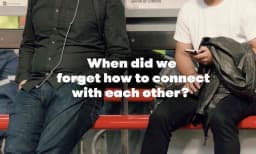
Granola's Late Night Drama campaign by Marcel launched Night Assistance in France in April 2016, delivering snack bars from 10 p.m. to 4 a.m.

How Granola's Late Night Drama Turned Midnight Hunger Into a Movement
Granola's Late Night Drama is a 2016 confectionery campaign created by French agency Marcel that launched a real nocturnal service called Night Assistance, making Granola bars available anywhere in France every night between 10 p.m. and 4 a.m. throughout April 2016, targeting 18-to-25-year-olds who experience late-night hunger after evenings out.
The campaign operates on a deceptively simple consumer truth: late-night snack cravings are both universal and underserved, particularly among young adults whose social lives extend well past the hours when most food retail closes. Granola, the French chocolate-coated biscuit and snack brand with heritage rooted in the LU and Lefèvre Utile lineage, chose to meet that need not with an advertisement alone but with an actual service. The dedicated website granolassistance.fr functioned as the operational hub of the activation, directing night-time users to their nearest available Granola bar.
In France, the campaign ran from April through September 2016 according to available campaign documentation, with the core Night Assistance hours anchored to that late-evening and early-morning window. The launch asset, a 90-second digital film titled Le Drame de fin de soirée, dramatised the existential suffering of the hungry night-owl with theatrical flair, lending the campaign its headline name: Late Night Drama. Physical activation accompanied the film, with Granola bar samples distributed at nightclub and concert exits across multiple French cities, closing the loop between narrative and lived experience. The campaign's creative approach, its combination of a digital film, a live service mechanic, and social amplification across Instagram and Snapchat, positioned Granola not merely as a snack but as a nocturnal ally. Clapboard rates the Late Night Drama campaign 63 out of 100, recognising its structural originality while noting the inherent challenges of measuring a time-limited, geography-specific service activation.
Granola identifies a behavioural gap that most confectionery brands overlook entirely: the hours between 10 p.m. and 4 a.m. are when hunger strikes most acutely for young adults, yet retail infrastructure effectively disappears. Marcel built the entire Night Assistance strategy around this insight, transforming a category truth into a branded service rather than simply a creative claim.
The campaign targets 18-to-25-year-olds in France, a demographic whose social patterns — late concerts, clubs, extended evenings — place them precisely in the gap between the closing of supermarkets and the opening of boulangeries. By activating during April 2016, Marcel aligned the campaign with the beginning of the season when outdoor nightlife in French cities accelerates, making the service timing strategically coherent rather than arbitrary.
Within the broader European confectionery and snack bar landscape, Granola competes with internationally scaled players. KIND Snacks has pursued aggressive European expansion, while Mondelez International — the global parent of multiple biscuit and snack lines — has consistently invested in youth-facing digital activations across the French market. Against these competitors, Granola's Night Assistance approach carved a distinctly local, service-oriented identity rather than competing on product formulation or nutritional positioning alone. The snack bar category in North America grew by a substantial margin between 2011 and 2016, according to data reported by Snack and Bakery, though direct comparable figures for the French confectionery snacks segment during this period are not publicly available from named sources. What is documented is that the 18-to-25 demographic in France represents a commercially meaningful target for impulse confectionery purchases, particularly in urban late-night contexts. The Night Assistance mechanic — a dedicated website, physical sampling, and social amplification — directly addressed this consumer moment with uncommon specificity.
Director Trevor Clarence helmed the launch film for Late Night Drama, produced by Blue Paris for Marcel's creative team. The 90-second digital film, Le Drame de fin de soirée, adopts the visual and tonal grammar of heightened television melodrama to frame something as ordinary as a late-night snack craving as a full-blown existential crisis.
The film's comedic register is deliberate and precise. By borrowing from the aesthetic vocabulary of prime-time drama — close-up reaction shots, swelling emotional stakes, a protagonist in genuine confectionery distress — the creative team elevates the Granola bar from background snack to narrative object of desire. This approach mirrors a broader creative trend in French advertising during this period, in which brands used cinematic pastiche to generate shareability on social platforms, but Late Night Drama grounds the pastiche in an actual service mechanic rather than leaving it as pure entertainment.
The campaign's creative execution extends well beyond the film. Bar samples distributed at nightclub and concert exits across French cities translate the film's fictional late-night drama into a live encounter. A consumer leaving a Paris venue at 1 a.m. and finding a Granola bar in hand is not experiencing an advertisement — they are experiencing the brand's core proposition in real time. The dedicated website granolassistance.fr served as the connective tissue between the narrative world of the film and the physical reality of the activation. Instagram and Snapchat were chosen as the primary social platforms for amplification, both appropriate to a campaign targeting 18-to-25-year-olds in France in 2016, when both platforms were primary channels for youth social documentation. The integration of film, service, sampling, and social into a single coherent campaign architecture reflects a level of craft that moves the work beyond a standard confectionery snacks advertisement.
No independently verified post-campaign performance figures for the Late Night Drama activation — including reach, engagement rates, or sales uplift — are publicly available from named sources for this campaign. What the documented record does confirm, per available campaign records cited by shots.net and Ilec Asso, is that the campaign ran its full operational arc from April through September 2016, suggesting the Night Assistance service was sustained beyond its initial launch window and was not curtailed prematurely.
Structurally, the campaign demonstrates several hallmarks of effective youth-targeted confectionery marketing in France. The choice to anchor activation hours to 10 p.m. through 4 a.m. created an inherent news hook and social currency: a brand that literally operates while its competitors sleep generates organic conversation among the exact 18-to-25 demographic it targets. The granolassistance.fr website, the nightclub and concert sampling, and the Instagram and Snapchat presence form a closed loop where each element reinforces the others without redundancy.
The campaign's billboard-level concept — a brand inventing a service rather than claiming one — is a durable strategic model in confectionery snacks marketing. By dramatising the emotional reality of late-night hunger in Le Drame de fin de soirée and then resolving it through a real-world service, Marcel gave Granola a campaign with both emotional resonance and behavioural utility. The Clapboard Score of 63 out of 100 reflects recognition of the campaign's creative and strategic originality while accounting for the absence of publicly verified performance metrics and the inherent scalability limitations of a time-and-geography-bound service activation in a single market.
Granola's Late Night Drama is a 2016 French advertising campaign by Marcel that created Night Assistance, a real nocturnal service making Granola bars available between 10 p.m. and 4 a.m. The campaign launched in April 2016 and included a 90-second digital film, a dedicated website, and physical bar sampling at nightclub and concert exits across France.
Trevor Clarence directed the Late Night Drama launch film, titled Le Drame de fin de soirée. The 90-second digital film was produced by Blue Paris for ad agency Marcel. It uses the visual language of television melodrama to frame late-night hunger as an urgent, comedic crisis, anchoring the Night Assistance campaign's emotional identity.
Night Assistance operated through the dedicated website granolassistance.fr, directing users to their nearest available Granola bar between 10 p.m. and 4 a.m. Physical sampling at nightclub and concert exits in multiple French cities complemented the digital mechanic, while Instagram and Snapchat amplified the campaign to its target audience of 18-to-25-year-olds.
Marcel, a French creative agency, created the Late Night Drama campaign for Granola in 2016. Marcel developed the Night Assistance concept, the Le Drame de fin de soirée film, and the broader activation strategy encompassing sampling, social media, and the granolassistance.fr platform, positioning Granola as a nocturnal ally for late-night snack cravings in France.
Clapboard rates Late Night Drama 63 out of 100. The score recognises the campaign's structural originality in combining a digital film, a live nocturnal service, and social amplification into a coherent confectionery snacks campaign in France, while reflecting the absence of publicly verified performance metrics and the scalability constraints of a time-limited geographic activation.
The Night Assistance campaign launched in France in April 2016 and ran through September 2016 according to available campaign documentation. The core activation hours of 10 p.m. to 4 a.m. defined the initial April phase, targeting 18-to-25-year-olds in French cities during the period when late-night social activity and snack demand align most directly.
.webp)
Creative Collaboration Platform: The Backbone of Modern Creative WorkWhat is a creative collaboration platform?Clapboard defines a creative collaboration platform as the operational core for today’s distributed creative teams. This is not a collection of digital collaboration tools stitched together; Clapboard’s system


Understanding the Creative Production MarketplaceWhat is a Creative Production Marketplace?Clapboard defines a creative production marketplace as a structured ecosystem where brands, agencies, and production talent converge to execute video, advertising, and branded content at scale. Unlike the legacy agency or freelanREAD FULL ARTICLE

The Urgent Need for a Creative Production Operating SystemWhy Traditional Creative Production Models Break DownClapboard sees the creative production landscape shifting under pressure. Content velocity is no longer a buzzword—it’s a mandate. Modern advertising demands relentless output across dozens of channels, each wREAD FULL ARTICLE