Read the sources - UNESCO | Clapboard Ad Archive
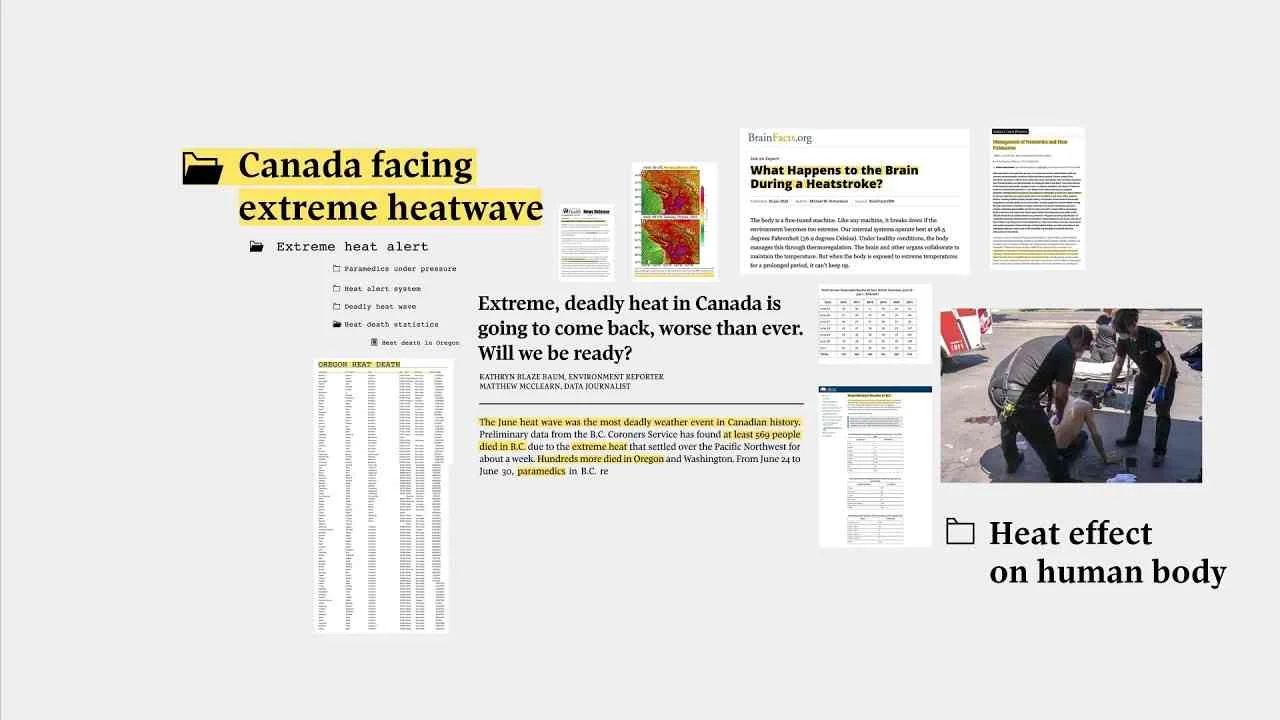
UNESCO’s Read the Sources campaign, created with DDB Paris and activated in the Public Service market category in Year 2021, crystallizes the organization’s enduring advocacy for press freedom and media literacy by confronting the intensifying threat of global disinformation with a concept rooted in radical journalistic transparency. Responding to the post-pandemic landscape where misinformation distorts elections, public policy, and civic identity, the campaign sidesteps abstraction in favor of tangible access, offering the public more than 170 authenticated materials—images, interviews, PDFs, and audio—from a headline Globe and Mail investigation through the digital hub readthesources.com. This partnership foregrounds not just the finished reportage, but the investigative scaffolding behind it, inviting users to interrogate, challenge, and verify the facts for themselves. This open-archive approach directly demonstrates the process and value of investigative journalism, a move that resonates with what Clapboard’s taxonomy would classify as FORMAT#1—Demonstration. Instead of explanatory metaphors or dramatized scenarios, the campaign invites participation: readers become de facto fact-checkers, tracing the full evidentiary trail beneath the article’s conclusions and, crucially, experiencing firsthand the rigor and value of source-based reporting in a climate rife with false and hateful expression. The Globe and Mail partnership brings institutional credibility to the activation, targeting digitally literate and socially attuned audiences who are attuned to the rising toll of misinformation, especially as exposed during the COVID-19 crisis. The integrated single-media approach—a digital platform as interactive archive—speaks directly to the industry’s search for scalable media literacy solutions that do not reduce complex reporting to easily manipulated summaries. Rather, the campaign positions UNESCO not as an edict-issuing authority but as a facilitator of citizen empowerment and informed critique, challenging the public to engage with the messy, source-rich realities of serious journalism. This is a marked contrast to peers like Reporters Without Borders, International Press Institute, or Freedom House, which typically frame advocacy at the macro or institutional level—UNESCO’s intervention foregrounds the micro-level process, equipping everyday audiences with tools to resist and decode disinformation in practical terms. The campaign earns 69/100 in Clapboard’s global creative archive. As even legacy news brands adopt greater content transparency and open-source models, this campaign signals that empowering audiences to interrogate primary sources is becoming essential creative strategy for public interest communications in the fight for democratic resilience.




.webp)