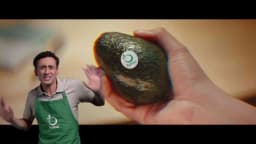
The "Bringing Tasty Back" campaign for Garden of Life, launched in January 2023 by Humanaut, addresses a key challenge in the plant-based protein category: the perception that these products often taste unpleasant or artificial. Garden of Life’s core brand proposition centers on delivering high-quality, organic, and sustainably produced nutrition that is not only clean and traceable but importantly, flavorful. This campaign reinforces that promise by positioning its plant protein shakes as a tasty and enjoyable alternative within a market where taste is frequently compromised.
Strategically, the campaign leverages a relatable insight—that many consumers are put off by the odd, unappealing flavors commonly associated with plant-based proteins. The creative approach uses vivid visual metaphors depicting undesirable flavor experiences, such as “chocolate cardboard” and “vanilla sidewalk chalk,” to dramatize competitors’ shortcomings. This contrast serves to highlight Garden of Life’s innovation in taste without sacrificing its commitment to organic and sustainable standards. By focusing on the sensory benefit of taste alongside product integrity, the campaign seeks to engage health-conscious consumers who might hesitate to switch due to taste concerns.
The 15-second spots deploy a simple narrative featuring a man and woman who envision these unpleasant flavors before experiencing Garden of Life shakes and being pleasantly surprised by their deliciousness, culminating in the tagline “Bringing Tasty Back.” The campaign is integrated across streaming platforms like Roku and Amazon Prime as well as social channels, aiming to reach digitally savvy, health-focused audiences. Print, social, and display assets further support this positioning, promoting both new SKUs and reformulated products. Overall, the campaign uses a clear differentiation strategy to elevate Garden of Life as a leader in both product quality and taste within the evolving plant-based protein market.
FORMAT#3 SYMBOLIZE THE PROBLEM — Uses symbols or analogies to represent the problem instead of showing it literally.
This campaign fits the "Symbolize the Problem" format because the narrative centers around characters imagining what other plant-based protein shakes taste like, employing exaggerated, symbolic visuals such as "chocolate cardboard," "vanilla sidewalk chalk," and "cookies and cream couch cushion crumbs." These analogies humorously and vividly represent the perceived bad taste of competitor products, instead of directly showing them. The relief upon tasting Garden of Life further frames their product as the solution, but the core creative device is the symbolic, analogy-driven depiction of the category’s common problem—unpleasant taste.
ADVERTISING FORMATS EXPLAINED: https://www.clapboard.com/blog/branding-and-advertising/brand-strategy/12-advertising-creative-formats
1. Vega – Market Positioning
Vega focuses on plant-based, clean nutrition products that emphasize whole-food ingredients and sustainability. The brand is positioned around delivering high-performance, nutrient-dense supplements for active lifestyles, combining functionality with natural flavors and certified organic ingredients, targeting health-conscious consumers seeking vegan protein alternatives without compromising taste or efficacy.
2. Orgain – Market Positioning
Orgain markets itself as a leader in organic, plant-based nutrition offering a range of protein powders and ready-to-drink shakes. They emphasize clean, simple, and accessible nutrition with no artificial ingredients, appealing broadly to families and individuals focused on convenient, healthy lifestyle choices backed by science and great taste.
3. Sunwarrior – Market Positioning
Sunwarrior differentiates through its focus on plant-based protein powders made from raw, organic, and non-GMO ingredients with an emphasis on vegan-friendly, paleo, and sustainably sourced products. The brand targets eco-conscious consumers wanting natural, nutrient-rich formulas that support fitness and holistic wellness.
4. Garden of Life – Market Positioning
Garden of Life leads by offering premium, USDA Organic, Non-GMO Project Verified, and carbon-neutral certified nutrition products. The brand champions transparent, clinically studied, whole-food ingredients free from synthetics and fillers, strongly appealing to consumers prioritizing clean, sustainable, and traceable health solutions with improved taste profiles.
5. Naked Nutrition – Market Positioning
Naked Nutrition is positioned as a minimalist, transparent brand offering single-ingredient, clean-label powders including plant-based proteins. Their no-frills approach appeals to purists who seek straightforward, unflavored or simple-flavored nutrition products without additives, targeting consumers focused on ingredient integrity and versatile supplementation.
Q: What is Bringing Tasty Back about?
A: Bringing Tasty Back is a 2023 integrated campaign created by Humanaut in partnership with Garden of Life’s in-house creative team for the United States food and drink market. The campaign centers on Garden of Life’s plant protein products, positioning them as a flavorful and high-quality alternative to the often unpalatable options found in the plant-based protein category. Through a pair of 15-second video spots and supporting print, social, and display assets, the campaign dramatizes the contrast between typical unpleasant protein shake flavors and the genuinely enjoyable taste of Garden of Life’s new and reformulated SKUs.
Q: What creative device does Bringing Tasty Back use?
A: Bringing Tasty Back employs the Symbolize the Problem format, as classified by Clapboard’s 12-format taxonomy. The campaign’s creative approach uses exaggerated analogies and symbolic visuals—such as chocolate cardboard, vanilla sidewalk chalk, and cookies and cream couch cushion crumbs—to represent the unpleasant taste experiences commonly associated with competitor plant-based protein shakes. Rather than showing literal product failures, the spots humorously dramatize the problem through the characters’ imaginations, culminating in their relief and delight upon tasting Garden of Life shakes.
Q: What is the campaign proposition for Bringing Tasty Back?
A: The campaign proposition for Bringing Tasty Back is to challenge the prevailing perception that plant-based protein shakes are inherently unpleasant or artificial in flavor. Garden of Life positions itself as the brand delivering clean, organic, and sustainably produced nutrition that is also genuinely tasty. By highlighting taste as a key differentiator, the campaign targets health-conscious consumers who may have hesitated to try plant-based proteins due to flavor concerns, reinforcing Garden of Life’s leadership in both product quality and sensory appeal within the category.
Q: How does Bringing Tasty Back rank in Clapboard's archive?
A: Bringing Tasty Back holds a Clapboard Campaign Score of 60/100. This score reflects the campaign’s creative ambition, execution quality, and cultural relevance as assessed by Clapboard’s global ad archive.
Q: Who are the competitors in Garden of Life's category?
A: In the plant-based protein category, Garden of Life competes with brands like Vega, which emphasizes high-performance, clean nutrition for active lifestyles; Orgain, known for accessible, organic shakes and powders focused on convenience and taste; Sunwarrior, which targets eco-conscious consumers with raw, vegan-friendly, and sustainably sourced ingredients; and Naked Nutrition, which appeals to purists seeking minimalist, additive-free protein options. Each brand carves out a distinct positioning around ingredient integrity, sustainability, or flavor, shaping the competitive landscape for health-focused consumers.


 ARCHIVE
.webp)