


Adopt me - Indigo | Clapboard Ad Archive
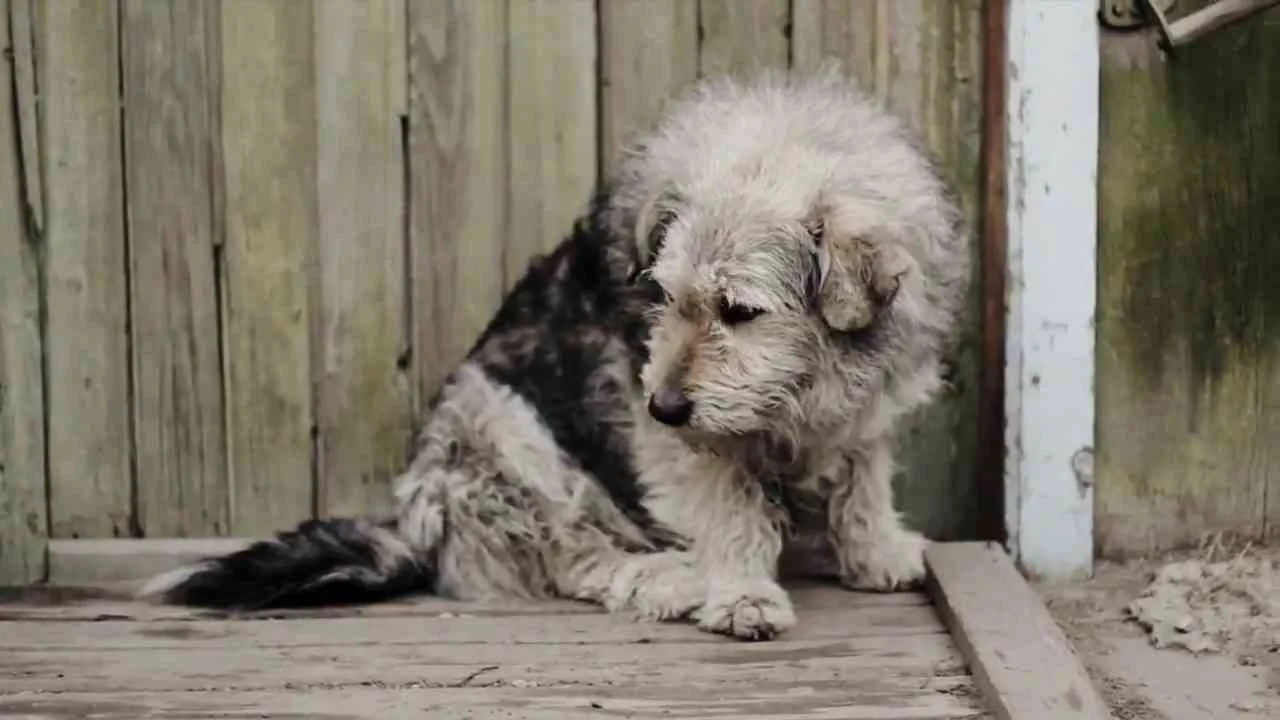
Indigo’s Adopt Me campaign, launched in Croatia in Year by agency Drap, brought a sharp creative lens to the challenge of pet adoption by co-opting a pillar of modern courtship culture: Tinder. Recognizing that profile pictures featuring dogs consistently drive engagement on dating apps, Drap engineered a seamless alignment of a familiar digital ritual with the urgent public interest of animal welfare, producing an activation that sits squarely in Clapboard’s FORMAT#12—Parody or Borrowed Format taxonomy. By crafting Tinder profiles for foster dogs—presented with the wit and candor reserved for singles seeking meaningful connections—the campaign translated the search for romantic companionship into an emotive plea for responsible pet fostering and adoption during a period marked by heightened abandonment rates. In this tongue-in-cheek yet pointed reworking of app culture, each match opened a direct dialogue not about a date, but about earning the trust and gratitude of a dog in need, highlighting the universal longing for connection and mutual appreciation. Leveraging digital media within the media and entertainment category, Indigo and Drap sidestepped traditional charity messaging, instead using humor, cultural fluency, and a participatory mechanic to trigger action from a digitally native audience, particularly at a time of year when dogs face increased vulnerability. The creative insight to parody conventional dating tropes reframed the role of the caretaker as a potentially life-changing relationship, with Indigo’s call to join a decentralized network of foster carers adding a layer of civic involvement and grassroots effectiveness. Foregrounding the absence of a physical shelter underscored the campaign’s agility and the critical role of community, encouraging prospective foster parents to reach out via social platforms—again meeting the target audience where they already lived. The campaign’s strategic choice to merge pop culture behaviors with a pressing cause demonstrated an acute understanding of both platform and user psychology, driving home the message that every dog deserves not just a roof, but a connection as sustaining as any romantic match. Clapboard rates this 74/100. Adopt Me signals how leveraging borrowed digital rituals can provoke meaningful reappraisal of public interest issues when the creative conceit and the social platform are deeply, rather than superficially, intertwined.









.webp)


