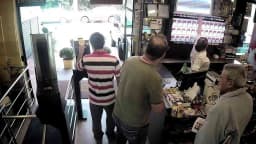
The "Elevator Murder Experiment" campaign for Dead Man Down leverages the psychological tension and raw human reactions associated with witnessing a crime to reinforce the brand’s proposition of intense, unpredictable drama. By staging a simulated murder in a confined and relatable urban setting—a New York City elevator—the campaign embodies the film’s promise of suspense, moral complexity, and the unexpected consequences of violence. This approach positions the brand as not only a source of entertainment but also a catalyst for exploring deeper questions about human behavior under pressure, mirroring the film’s thematic core.
Strategically, the campaign taps into social experiment formats that have strong viral potential, utilizing hidden cameras to capture authentic responses that emotionally engage viewers. This insight hinges on audience curiosity about human nature and their own moral instincts when confronted with crisis, thus forging a direct psychological connection rather than relying solely on conventional trailer promotion. The targeting subtly reaches urban, digitally savvy viewers familiar with social experiments and online video culture—those likely to share and discuss provocative content. This creative angle enhances engagement by transforming the audience into active participants in questioning "What would you do?"—a theme central to Dead Man Down’s narrative. The campaign’s substantial views and interactions indicate effective resonance, demonstrating how blending documentary-style realism with cinematic themes can invigorate interest in a media product through a well-executed, experience-driven digital strategy.
FORMAT#12 PARODY OR BORROWED FORMAT — Uses or parodies pop culture formats like films, shows, or genres.
This campaign fits FORMAT#12 because it borrows the structure and style of a "hidden camera social experiment," a format popularized in both reality TV and viral digital content. The narrative centers on an orchestrated act ("murder-in-progress") staged in a public setting, designed to elicit and capture genuine reactions from unsuspecting bystanders. There's no traditional product demonstration, presenter, testimonial, or problem-solution arc—instead, the campaign mimics and parodies the familiar genre of hidden camera experiments to engage viewers and draw parallels to the suspenseful themes of the "Dead Man Down" film. Metadata cues—like the "Documentary/Social Experiment" genre and references to hidden cameras and authentic responses—confirm this parodic, format-borrowing creative device.
1. Netflix – Market Positioning
Netflix leads the streaming entertainment industry by offering a vast library of original and licensed content, focusing on personalized user experience through advanced algorithms. Its emphasis on binge-worthy series and global reach distinguishes it as a pioneer in on-demand digital storytelling.
2. HBO (Home Box Office) – Market Positioning
HBO is recognized for its premium, critically acclaimed original programming with high production values, often targeting mature audiences. It differentiates through exclusive series, documentaries, and specials known for quality storytelling and cinematic excellence in the media entertainment space.
3. Hulu – Market Positioning
Hulu positions itself as a flexible, next-day streaming service with a strong lineup of current TV shows, movies, and exclusive originals. It appeals to cord-cutters seeking timely access to popular network programming combined with a growing portfolio of unique documentary and social experiment content.
4. National Geographic – Market Positioning
National Geographic centers its brand on authentic, informative, and visually stunning documentary content focused on nature, science, exploration, and social issues. Its strategic angle is educational storytelling that engages viewers through immersive and thought-provoking media experiences.
5. Vice Media – Market Positioning
Vice Media differentiates itself with edgy, youth-oriented content that often explores underreported social issues and subcultures. It leverages immersive documentary-style storytelling and social experiments to connect with audiences craving authentic, boundary-pushing narratives within contemporary media.
Q: What is Elevator Murder Experiment about?
A: Elevator Murder Experiment is a professional digital campaign launched in the United States in 2013 for the brand Dead Man Down, created by the ad agency Thinkmodo. The campaign centers on a staged murder scenario inside a New York City elevator, where two actors simulate a violent crime while hidden cameras capture the genuine reactions of unsuspecting elevator passengers. By documenting these raw, unscripted responses, the campaign explores bystander psychology and human behavior under stress, prompting viewers to consider how they might respond in a similar situation. The campaign was designed to generate conversation and emotional engagement around the film’s themes of suspense and moral complexity.
Q: What creative device does Elevator Murder Experiment use?
A: Elevator Murder Experiment employs FORMAT#12 PARODY OR BORROWED FORMAT, as classified by Clapboard's 12-format taxonomy. This approach borrows the structure and style of a hidden camera social experiment, a format familiar from reality television and viral digital content. Rather than using traditional advertising techniques such as product demonstrations or testimonials, the campaign orchestrates a dramatic scenario to elicit authentic reactions from the public. By parodying and leveraging the recognizable genre of hidden camera experiments, the campaign draws viewers into the suspenseful, unpredictable world of Dead Man Down, aligning its creative execution with the film’s core narrative.
Q: What is the campaign proposition for Elevator Murder Experiment?
A: The campaign proposition for Elevator Murder Experiment positions Dead Man Down as a brand that delivers intense, unpredictable drama while provoking deeper questions about human behavior under pressure. By staging a simulated murder in a relatable urban setting and capturing real bystander reactions, the campaign aligns itself with the film’s themes of suspense, moral ambiguity, and the consequences of violence. This strategy targets urban, digitally engaged audiences who are familiar with online social experiments, aiming to spark conversation and emotional investment. The campaign’s approach transforms viewers into active participants, challenging them to reflect on their own instincts and reinforcing the film’s narrative relevance within the media and entertainment category.
Q: How does Elevator Murder Experiment rank in Clapboard's archive?
A: Elevator Murder Experiment holds a Clapboard Campaign Score of 84/100 in Clapboard's global ad archive. This score reflects the campaign’s creative ambition, execution quality, and cultural relevance, recognizing its innovative use of experiential storytelling and its resonance within the digital media landscape.
Q: Who are the competitors in Dead Man Down's category?
A: In the media and entertainment category, Dead Man Down competes with major brands such as Netflix, which leads the industry with a vast library of original and licensed content and a focus on personalized viewing experiences. HBO is known for its premium, critically acclaimed programming and cinematic storytelling aimed at mature audiences. Hulu appeals to viewers seeking timely access to current TV shows and exclusive originals, while National Geographic distinguishes itself with immersive, educational documentary content. Vice Media targets younger audiences with edgy, documentary-style storytelling that explores underreported social issues and subcultures.


 ARCHIVE
.webp)