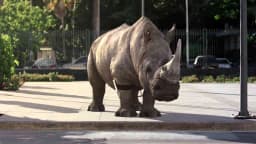
The "Happy Kingdom" campaign for Coca-Cola Zero, launched in Argentina in 2009 by Ogilvy, aimed to position the brand as a vibrant, enjoyable beverage choice that delivers the classic Coke taste without sugar. The core brand proposition centers on providing consumers the pleasure and refreshment associated with Coca-Cola, while aligning with health-conscious attitudes prevalent in the non-alcoholic drinks market. By emphasizing the zero-calorie attribute alongside an upbeat, imaginative narrative, the campaign sought to reinforce Coca-Cola Zero as a guilt-free indulgence that does not compromise on flavor or enjoyment.
Strategically, the campaign leveraged a narrative-driven film format to create an engaging, emotionally resonant experience, appealing primarily to younger, modern consumers who value both lifestyle and taste. The use of a fantastical "Happy Kingdom" visual world reflects an insight that consumers are drawn to escapism and joyful storytelling amid everyday routines. This imaginative setting acts as a metaphor for the happiness and freedom that Coca-Cola Zero intends to evoke. The campaign's integration of downloadable ringtones and music via the brand’s website further demonstrates a targeted approach to digital engagement and youth culture, aligning the brand with contemporary trends in media consumption. Overall, the creative angle combines a strong sensory appeal with a culturally relevant narrative, designed to enhance emotional connection and brand differentiation in a competitive beverage market.
FORMAT#9 SYMBOLIZE THE BENEFIT — Uses symbols or exaggerated visuals to represent the product’s positive impact.
The campaign title "Happy Kingdom," the animated production credits, and its description imply a fantastical setting where the uplifting, joyful effect of Coca-Cola Zero is visualized through an imaginative world. There’s no mention of a literal demonstration or a clear problem/solution arc, nor is a celebrity present or a testimonial offered. Instead, the creative approach is most likely to symbolize the benefit—happiness—through an exaggerated, animated "kingdom" that represents the positive emotional impact of the product, fitting format #9.
1. Pepsi – Market Positioning
Pepsi positions itself as a youthful, energetic, and bold alternative in the cola segment, often emphasizing pop culture, music, and sports partnerships. It targets a younger demographic by promoting a fun, dynamic lifestyle and innovation in flavors, maintaining strong brand loyalty through emotional and entertainment-driven marketing.
2. Dr Pepper – Market Positioning
Dr Pepper differentiates itself with a unique blend of 23 flavors, presenting a distinctive taste that stands apart from traditional colas. It targets consumers seeking a more complex, premium soft drink experience, often highlighting individuality and an offbeat personality in its branding.
3. Sprite – Market Positioning
Sprite is positioned as a crisp, refreshing lemon-lime soda that offers a clean, caffeine-free alternative to colas. It appeals to consumers looking for a youthful, energetic vibe, often leveraging music and sports marketing to reinforce its fresh, vibrant image.
4. Pepsi Max – Market Positioning
Pepsi Max is Pepsi’s low-calorie, sugar-free cola positioned as a bold, intense-flavored alternative to traditional diet sodas. It targets health-conscious consumers who do not want to compromise on taste or experience, using a modern, edgy brand tone focused on maximum flavor and performance.
5. Fanta – Market Positioning
Fanta is marketed as a fun, fruity soda with bright flavors and vibrant colors, synonymous with playfulness and enjoyment. It positions itself to appeal to younger consumers and those looking for a sweet, refreshing alternative to colas, often using colorful, imaginative campaigns to evoke joy and creativity.
Q: What is Happy Kingdom about?
A: Happy Kingdom is a professional campaign created by Ogilvy Argentina for Coca-Cola Zero and launched in Argentina in 2009. The campaign centers on an animated film that constructs a fantastical, optimistic universe to symbolize the uplifting effect of Coca-Cola Zero. Under the creative direction of Gastón Bigio and with production by Passion Pictures, the campaign uses vibrant character design and a playful narrative to reinforce the brand’s identity as a refreshing, sugar-free beverage for a young, modern audience. The initiative also extended its reach through digital engagement, offering downloadable ringtones and music to deepen consumer interaction.
Q: What creative device does Happy Kingdom use?
A: Happy Kingdom employs the Symbolize the Benefit technique, classified as Format #9 in Clapboard’s 12-format taxonomy. This approach uses exaggerated visuals and symbolic storytelling to represent the positive emotional impact of Coca-Cola Zero, rather than demonstrating product features directly. The campaign’s animated kingdom serves as a metaphor for the happiness and freedom associated with the drink, leveraging a visually imaginative world to embody the brand’s promise. This creative device aligns with Clapboard’s framework by translating product benefits into an aspirational, emotionally resonant narrative.
Q: What is the campaign proposition for Happy Kingdom?
A: The campaign proposition for Happy Kingdom positions Coca-Cola Zero as a vibrant, enjoyable beverage that delivers the classic Coke taste without sugar, targeting health-conscious, younger consumers in Argentina’s competitive drinks market. By emphasizing zero calories and an upbeat, imaginative narrative, the campaign asserts that consumers can enjoy the pleasure and refreshment of Coca-Cola without compromise. The strategic use of a narrative-driven film and digital engagement tools, such as downloadable music, reinforces the brand’s alignment with contemporary lifestyle trends and strengthens its emotional connection with a modern audience.
Q: How does Happy Kingdom rank in Clapboard's archive?
A: Happy Kingdom holds a Clapboard Campaign Score of 76/100 in Clapboard’s global ad archive. This score reflects the campaign’s creative ambition, execution quality, and cultural relevance within the non-alcoholic drinks category, as assessed by Clapboard’s curatorial standards.
Q: Who are the competitors in Coca-Cola Zero's category?
A: In the non-alcoholic drinks category, Coca-Cola Zero competes with several key brands. Pepsi positions itself as a youthful, energetic alternative, leveraging pop culture and entertainment to drive loyalty. Dr Pepper stands out with its unique blend of flavors, appealing to consumers seeking a more complex, premium soft drink experience. Sprite offers a crisp, caffeine-free option with a fresh, vibrant image, while Pepsi Max targets health-conscious consumers with a bold, sugar-free cola. Fanta differentiates itself through playful, fruity flavors and colorful, imaginative campaigns aimed at younger audiences.


 ARCHIVE
.webp)