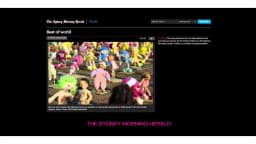
The "Clean Up the Internet" campaign by Saatchi & Saatchi, launched in Israel in 2013, addresses the pervasive issue of cyberbullying by introducing a proactive digital solution. The campaign’s core proposition centers on transforming online interactions by intercepting offensive language before it is published on social networks, replacing harmful words with positive alternatives. This approach conveys a clear value: mitigating emotional harm caused by cyberbullying through real-time, constructive intervention, thereby fostering a safer and more respectful digital environment.
The market strategy hinges on a deep understanding of the behavioral triggers underlying online harassment, focusing on the “offending party” rather than solely supporting victims. By engaging directly with teenagers through the StartupSeeds program, the campaign leverages authentic youth perspectives to enhance relevancy and impact. The creative angle integrates technology—in the form of a Chrome browser plug-in—to subtly modify user behavior at the moment of communication, thereby interrupting negative patterns before they escalate. This innovation aligns with the digital habits of the target audience, primarily adolescents active on Facebook, blogs, and forums, and positions the campaign within a broader social interest context. Ultimately, the campaign exemplifies a preventive, user-centered approach that combines technological innovation with social responsibility to address a global problem at the individual interaction level.
FORMAT#1 DEMONSTRATION — Directly shows how a product works and highlights its benefits.
This campaign centers on a browser plug-in that detects and replaces offensive words with positive ones, directly addressing cyber-bullying. The narrative cues and genre indicated as "Documentary/Social Experiment" suggest a realism-driven approach; the description points to showing the tool in action to illustrate its social impact. Rather than focusing on dramatized stories, symbolic visuals, testimonials, celebrities, or competitive comparisons, the creative device here is most likely a straightforward showcase—demonstrating the plug-in at work as users interact with social networks, clearly highlighting its preventative and corrective benefit.
ADVERTISING FORMATS EXPLAINED: https://www.clapboard.com/blog/branding-and-advertising/brand-strategy/12-advertising-creative-formats
1. StopBullying.gov – Positioned as a comprehensive U.S. government resource, it offers educational materials, reporting tools, and policy guidance, focusing on prevention and intervention through awareness and community engagement to combat bullying in schools and online.
2. CyberSmile Foundation – A global nonprofit dedicated to eradicating online hate and cyberbullying, leveraging support services, awareness campaigns, and technological solutions while emphasizing mental health and positive digital citizenship.
3. Ditch the Label – A UK-based digital anti-bullying charity targeting youth with peer support, research, and social campaigns that empower individuals to stand against bullying, focusing on inclusivity and mental wellbeing.
4. The Trevor Project – Specializes in crisis intervention and suicide prevention for LGBTQ+ youth, using digital platforms and education to foster safe online spaces and emotional support unique to this vulnerable demographic.
5. Netsanity – Provides parental control software designed to filter and monitor online content, uniquely positioning itself as a technology-driven tool empowering parents to protect children from cyberbullying and harmful digital interactions.
Q: What is Clean Up the Internet about?
A: Clean Up the Internet is a 2013 digital campaign created by Saatchi & Saatchi Israel for the Clean Up the Internet brand, targeting the public service sector. The campaign centers on a Chrome browser plug-in developed in collaboration with 15 teenagers from the StartupSeeds organization, a program for tech-oriented youth. The plug-in detects offensive words on social networks and replaces them with positive alternatives, directly addressing cyberbullying at the source. By intercepting harmful language before it is published, the campaign aims to reduce online harassment and foster a more respectful digital environment.
Q: What creative device does Clean Up the Internet use?
A: Clean Up the Internet employs the Demonstration format, as classified by Clapboard's 12-format taxonomy. This approach directly showcases how the Chrome browser plug-in works, highlighting its ability to detect and replace offensive words in real time across social platforms. Rather than relying on dramatization, testimonials, or symbolic visuals, the campaign uses a straightforward, realism-driven demonstration to illustrate the plug-in’s preventative and corrective benefits, making the technology’s social impact immediately clear to viewers.
Q: What is the campaign proposition for Clean Up the Internet?
A: The campaign proposition for Clean Up the Internet is to proactively transform online interactions by intercepting and replacing offensive language before it is published on social networks. By focusing on the behavioral triggers of cyberbullying and addressing the offending party at the moment of intent, the campaign positions itself as a preventive, user-centered solution. Leveraging authentic youth insight through collaboration with StartupSeeds, the campaign speaks directly to adolescents active on digital platforms, reinforcing the value of real-time, constructive intervention to mitigate emotional harm and promote a safer, more respectful online community.
Q: How does Clean Up the Internet rank in Clapboard's archive?
A: Clean Up the Internet holds a Clapboard Campaign Score of 71/100 in Clapboard's global ad archive. This score reflects the campaign’s creative ambition, execution quality, and cultural relevance within the context of digital public service advertising.
Q: Who are the competitors in Clean Up the Internet's category?
A: In the public service and digital anti-bullying space, Clean Up the Internet competes with several notable initiatives. StopBullying.gov serves as a comprehensive U.S. government resource offering education and intervention tools, while the CyberSmile Foundation operates globally with support services and awareness campaigns focused on positive digital citizenship. Ditch the Label targets youth in the UK with peer support and research-driven campaigns, and The Trevor Project specializes in crisis intervention for LGBTQ+ youth, emphasizing safe online spaces. Netsanity differentiates itself by providing parental control software that empowers parents to monitor and filter online content for child safety.


 ARCHIVE
.webp)