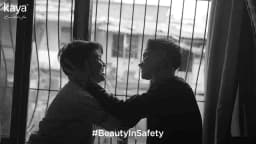
The campaign for Clean & Clear, developed by BBDO Bangkok, leverages a candid acknowledgment of the disconnect between advertisers and contemporary teenagers. Recognizing the challenges in authentically capturing the rapidly evolving tastes, lifestyles, and cultural nuances of Gen-Z and younger audiences, the campaign opts to forgo typical attempts at trendy representation through slang, street style, or rap music—elements often presumed to resonate with teens but frequently perceived as inauthentic. Instead, it embraces transparency by admitting, "We don’t get teens today," shifting focus to what the brand can confidently address: effectively cleansing oily and greasy skin.
This honesty forms the core brand proposition, positioning Clean & Clear as a product that understands the physical needs of its youthful consumers, even if cultural or social nuances remain elusive. The campaign reframes the relationship between brand and audience by candidly highlighting a common frustration teens feel about being misunderstood, thereby fostering a subtle connection grounded in authenticity rather than contrived relevance.
Strategically, the campaign bypasses the complexity of trying to tailor messaging to diverse generational subgroups within youth culture—a task complicated by conflicting internal perspectives across generations—by admitting its limitations and focusing on product efficacy. This creative angle draws on cultural insight about teens’ frustrations with ads that try and fail to speak their language, transforming potential alienation into engagement through humor and self-awareness. Rather than overreach with forced attempts at cultural alignment, the campaign relies on genuine product value and a meta-commentary on advertising itself, creating a relatable, differentiated stance within the crowded beauty market.
FORMAT#12 PARODY OR BORROWED FORMAT — Uses or parodies pop culture formats like films, shows, or genres.
This campaign fits FORMAT#12 because it intentionally parodies typical youth marketing: it uses overt “cool” signifiers like street style, slang, and rap music only to self-consciously point out their ineffectiveness. The ad openly admits it doesn’t understand its target audience (teens), poking fun at the clichés of trying to be relatable. Rather than following a problem-solution or story arc, it uses the format of a stereotypical youth commercial—but does so in a self-aware, ironic way to highlight authenticity and product efficacy, thus parodying standard beauty advertising tropes.
ADVERTISING FORMATS EXPLAINED: https://www.clapboard.com/blog/branding-and-advertising/brand-strategy/12-advertising-creative-formats
1. Neutrogena – Market Positioning
Neutrogena positions itself as a dermatologist-recommended skincare brand that delivers scientifically formulated, effective solutions for acne and skin health. It appeals to consumers seeking clinical credibility combined with accessible, gentle products that suit sensitive and problematic skin, especially for teens and young adults.
2. Pond’s – Market Positioning
Pond’s leverages its heritage as a trusted and affordable skincare brand while modernizing its appeal with youthful and beauty-conscious consumers. It emphasizes brightening, moisturizing, and anti-aging benefits, balancing traditional values with contemporary trends to target a broad demographic including young Asians.
3. Nivea – Market Positioning
Nivea focuses on gentle, reliable skincare with a strong emphasis on hydration and protection suitable for all skin types. The brand combines emotional messaging around care and trust with extensive availability, positioning itself as a family-friendly yet youth-relevant brand in the beauty and personal care space.
4. The Face Shop – Market Positioning
The Face Shop differentiates through natural, botanical ingredients and a commitment to eco-friendly, cruelty-free products. It targets young, environmentally-conscious consumers who value both efficacy and sustainability, blending modern K-beauty trends with clean, fresh aesthetics.
5. Biore – Market Positioning
Biore champions effective cleansing solutions, particularly targeting oily and acne-prone skin with affordable, innovative, and easy-to-use products. Its active ingredient-focused approach and strong presence in Southeast Asia appeal to teens and young adults seeking deep pore cleansing and freshness in their daily skincare.
Q: What is This commercial doesn't understand you at all about?
A: This commercial doesn't understand you at all is a 2022 campaign for Clean & Clear, created by BBDO Asia and launched in Thailand. The campaign tackles the perennial challenge of authentically connecting with teenagers, openly acknowledging the disconnect between advertisers and youth culture. Rather than attempting to mimic teen trends or language, the ad humorously admits its lack of understanding while positioning Clean & Clear as an expert in addressing oily and greasy skin. The creative team, led by Thasorn Boonyanate and Warunyoo Sorasetsakoon, delivers a self-aware film that reframes the brand’s relationship with its audience through honesty and product efficacy.
Q: What creative device does This commercial doesn't understand you at all use?
A: This commercial doesn't understand you at all employs FORMAT#12 PARODY OR BORROWED FORMAT, as classified by Clapboard's 12-format taxonomy. The campaign intentionally parodies the conventions of youth marketing by deploying stereotypical elements like street style, slang, and rap music, only to self-consciously highlight their ineffectiveness. Rather than following a traditional narrative or problem-solution arc, the ad uses the format of a typical youth commercial in a self-aware, ironic manner, poking fun at advertising clichés and emphasizing authenticity and product efficacy over forced cultural alignment.
Q: What is the campaign proposition for This commercial doesn't understand you at all?
A: The campaign proposition for This commercial doesn't understand you at all centers on Clean & Clear’s candid admission that it does not fully grasp the complexities of teen culture, but it does understand how to address oily and greasy skin. By shifting the focus from trying to decode rapidly evolving youth trends to confidently delivering on its core product promise, Clean & Clear positions itself as a brand that values honesty and relevance. This approach resonates with teens who are often frustrated by inauthentic marketing, fostering trust through transparency and a straightforward solution within the beauty category.
Q: How does This commercial doesn't understand you at all rank in Clapboard's archive?
A: This commercial doesn't understand you at all holds a Clapboard Campaign Score of 77/100. This score reflects the campaign’s creative ambition, execution quality, and cultural relevance as assessed by Clapboard's global ad archive.
Q: Who are the competitors in Clean & Clear's category?
A: In the beauty and skincare category, Clean & Clear faces competition from several key brands. Neutrogena is positioned as a dermatologist-recommended brand offering clinically effective solutions for acne and skin health, appealing to consumers seeking scientific credibility. Pond’s leverages its heritage and affordability while targeting youthful, beauty-conscious consumers with brightening and moisturizing benefits. Nivea emphasizes gentle, reliable skincare with a focus on hydration and family-friendly appeal. The Face Shop differentiates itself through natural, eco-friendly ingredients and modern K-beauty trends, while Biore targets oily and acne-prone skin with innovative, accessible cleansing solutions, particularly resonating with teens and young adults in Southeast Asia.



.webp)