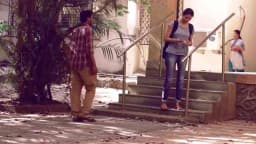
The Blind Faith Upgrade campaign by Hotel Ramada, Ajmer, addresses the specific needs of visually impaired travelers by offering the capability to transform any hotel room into a visually-impaired friendly space. This initiative positions the brand as inclusive and accessible, emphasizing a commitment to hospitality that extends beyond conventional services to accommodate guests with disabilities. The core value proposition lies in enhancing travel experiences for a traditionally underserved segment, signaling an understanding of diverse customer needs and reinforcing the hotel’s role as a facilitator of accessible tourism.
From a market strategy perspective, the campaign leverages the growing awareness and demand for inclusive travel options within India’s hospitality sector. By focusing on accessible tourism, the campaign taps into a socially conscious audience that values equity and accommodation. The narrative choice humanizes the experience of visually impaired guests, offering an emotional connection that elevates the brand beyond typical luxury or convenience pitches. The use of a film medium enables storytelling that highlights the practical and emotional benefits of the service, fostering empathy and awareness. Targeting visually impaired individuals and their networks, as well as broader audiences sympathetic to accessibility issues, the campaign effectively positions Hotel Ramada Ajmer as a leader in inclusive hospitality, differentiating it from competitors who may overlook this niche. This strategy not only meets a critical demand but also builds brand equity through social responsibility.
FORMAT#2 SHOW THE PROBLEM — Highlights a relatable problem, then shows the product as the solution.
This campaign, “The Blind Faith Upgrade,” centers on Hotel Ramada’s accessible tourism initiative, specifically transforming rooms into visually-impaired-friendly spaces. The narrative genre and the title suggest a clear focus on the challenge that visually impaired travelers face in hotels—a classic problem-solution framing. There are no cues indicating heavy use of symbolism, comparison, celebrity presence, or ongoing characters. Instead, the campaign likely presents the unique obstacles faced by visually impaired guests (the problem) and demonstrates Ramada’s customized room upgrade as the empathetic solution, fitting the "Show the Problem" device more precisely than demonstration or exemplary story.
1. OYO Rooms – Market Positioning
OYO positions itself as an affordable, tech-driven hospitality platform offering standardized budget accommodations across India and globally. It emphasizes convenience, quality assurance, and accessibility for both business and leisure travelers seeking reliable stays at competitive prices.
2. MakeMyTrip – Market Positioning
MakeMyTrip stands out as a comprehensive online travel portal providing end-to-end travel solutions, including hotel bookings, flights, and holiday packages. It leverages technology and customer-centric services to simplify travel planning for diverse traveler segments.
3. Treebo Hotels – Market Positioning
Treebo differentiates itself through a focus on quality budget stays with guaranteed amenities and customer service excellence. It emphasizes trust, value-for-money, and standardized experiences in the competitive mid-budget hotel segment.
4. Airbnb India – Market Positioning
Airbnb offers unique, localized lodging experiences by connecting travelers with hosts across India. It appeals to customers seeking authentic, home-like accommodations that provide cultural immersion and personalized stays beyond traditional hotels.
5. Taj Hotels (Taj Group) – Market Positioning
Taj Hotels commands a premium segment with luxury hospitality rooted in Indian heritage, personalized experiences, and exemplary service standards. It targets affluent travelers valuing prestige, exclusivity, and culturally rich luxury stays.
Q: What is The Blind Faith Upgrade about?
A: The Blind Faith Upgrade is a professional campaign launched by Hotel Ramada, Ajmer in India in 2018, created by the agency Isobar. This film-based campaign addresses the hospitality and tourism sector, focusing on accessible tourism for visually impaired travelers. The central creative idea is to offer the capability to transform any hotel room into a visually-impaired friendly space, positioning Hotel Ramada as an inclusive and accessible brand. The campaign uses narrative storytelling to highlight the challenges faced by visually impaired guests and demonstrates the hotel’s commitment to accommodating diverse needs within the travel experience.
Q: What creative device does The Blind Faith Upgrade use?
A: The Blind Faith Upgrade employs the Show the Problem creative device, classified as FORMAT#2 in Clapboard’s 12-format taxonomy. This approach highlights a relatable problem—in this case, the obstacles faced by visually impaired travelers in hotels—and then presents the product or service as the solution. The campaign uses a narrative film to humanize the experience of visually impaired guests, focusing on their specific needs and demonstrating how Hotel Ramada’s room upgrade directly addresses these challenges. This problem-solution framing is central to the campaign’s empathetic and practical storytelling.
Q: What is the campaign proposition for The Blind Faith Upgrade?
A: The campaign proposition for The Blind Faith Upgrade centers on Hotel Ramada, Ajmer’s commitment to accessible tourism by enabling any hotel room to be transformed into a visually-impaired friendly space. The brand positions itself as inclusive and responsive to the needs of guests with disabilities, targeting both visually impaired travelers and a broader audience that values equity and accommodation. This strategic positioning is significant in the hospitality market, where accessible travel options are increasingly in demand, and it reinforces the hotel’s role as a leader in socially responsible hospitality.
Q: How does The Blind Faith Upgrade rank in Clapboard's archive?
A: The Blind Faith Upgrade holds a Clapboard Campaign Score of 68/100 in Clapboard's global ad archive. This score reflects the campaign’s creative ambition, execution quality, and cultural relevance within the context of accessible tourism and inclusive hospitality.
Q: Who are the competitors in Hotel Ramada's category?
A: In the hospitality and tourism sector, Hotel Ramada competes with brands such as OYO Rooms, which emphasizes affordable, tech-driven, standardized accommodations; MakeMyTrip, known for its comprehensive travel solutions and customer-centric services; Treebo Hotels, which focuses on quality budget stays with guaranteed amenities; Airbnb India, offering unique, localized lodging experiences for travelers seeking cultural immersion; and Taj Hotels, which commands the luxury segment with personalized service and Indian heritage at its core. Each of these brands occupies a distinct position in the market, shaping the competitive landscape for accessible and inclusive hospitality.


 ARCHIVE
.webp)