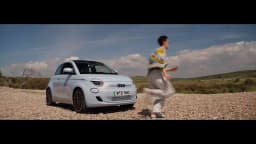
The "Electro-Happy" campaign for Citroën’s ë-C4, launched in France in early 2022, positions the brand as a pioneer in electric mobility by emphasizing a transformative lifestyle shift enabled through electrification and comfort. The brand proposition centers on the promise that switching to electric driving fundamentally changes daily experiences, replacing mundane or stressful moments with a sense of euphoria and ease. By linking electric power to emotional uplift and Citroën’s hallmark comfort, the campaign conveys that adopting the ë-C4 goes beyond technology—it enhances well-being and joy in everyday life.
From a market strategy perspective, the campaign leverages an optimistic, comedic narrative to humanize the electric vehicle experience and alleviate common apprehensions about electrification. It targets everyday drivers in France who value comfort and seek a positive, stress-reducing driving experience but may still be hesitant about transitioning to electric models. The creative angle reframes going electric not merely as an environmental or technical choice but as a source of emotional uplift—a "feel-good" change that elevates daily routines. This approach aims to normalize electric vehicles by showcasing relatable, joyful moments, thereby expanding appeal beyond typical early adopters to a broader mainstream audience. By relaunching the ë-C4 over a year after its introduction with this upbeat tone, Citroën reinforces its commitment to innovation while addressing consumer lifestyle aspirations that align with electric mobility.
FORMAT#9 SYMBOLIZE THE BENEFIT — Uses symbols or exaggerated visuals to represent the product’s positive impact.
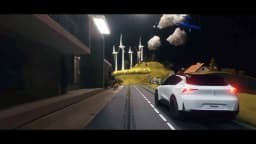
This campaign is best matched to FORMAT#9 because it centers on the "euphoric effect" and "joyful daily life" that electric driving and Citroën comfort bring to owners, pushing "the little worries of everyday life in the background." The description foregrounds symbolic and exaggerated happiness as the core device, rather than a linear narrative or a literal demonstration. Rather than simply showing features or problem-solving, it amplifies the emotional benefit (happiness, euphoria) as a transformed state, communicated in a comedic, feel-good way. There is no indication of a presenter, testimonial, celebrity, or a detailed story arc—just the symbolic representation of happiness as the direct outcome of owning the electric Citroën ë-C4.
ADVERTISING FORMATS EXPLAINED: https://www.clapboard.com/blog/branding-and-advertising/brand-strategy/12-advertising-creative-formats
1. Renault – Market Positioning
Renault positions itself as a pioneer in affordable electric mobility, with a strong focus on accessible, practical electric vehicles like the Zoe. The brand emphasizes innovation, sustainability, and urban-friendly designs to appeal to eco-conscious and budget-minded consumers, leveraging its long-standing presence in the European market.
2. Peugeot – Market Positioning
Peugeot combines dynamic design and performance with a progressively expanding electric and hybrid lineup. The brand focuses on delivering stylish, technologically advanced vehicles that balance driving pleasure with environmental responsibility, targeting customers who want a sporty yet eco-friendly ride.
3. Volkswagen – Market Positioning
Volkswagen positions itself as a global leader in the transition to electric mobility, highlighted by its ID series. It focuses on reliable, state-of-the-art electric vehicles that deliver quality, range, and practicality, aiming to make electric driving mainstream and appealing to a broad demographic.
4. Tesla – Market Positioning
Tesla leads with cutting-edge technology, high performance, and a strong brand identity centered on innovation and sustainability. It emphasizes the premium electric experience with long range, autonomous driving capabilities, and a dedicated charging network, appealing to tech-savvy and eco-conscious consumers worldwide.
5. Hyundai – Market Positioning
Hyundai differentiates through value-driven, versatile electric vehicles with strong warranties and user-friendly technology. The brand promotes innovation in battery technology and design, offering affordable EV options while focusing on reliability and broad market accessibility, appealing to cost-conscious yet forward-looking buyers.
Q: What is Electro-Happy about?
A: Electro-Happy is a 2022 campaign from Citroën, created in partnership with the agency BETC for the French automotive market. The campaign marks a relaunch of the Citroën ë-C4, the brand’s first electric road sedan, and centers on a feel-good, optimistic comedy film. The creative idea explores the transformative impact of electric driving, depicting how the combination of electric power and Citroën’s signature comfort brings euphoria and ease to daily life. Electro-Happy positions the ë-C4 as more than just a vehicle, presenting it as a source of happiness that pushes everyday worries into the background.
Q: What creative device does Electro-Happy use?
A: Electro-Happy employs FORMAT#9 from Clapboard’s 12-format classification system: Symbolize the Benefit. This creative approach uses symbols and exaggerated visuals to represent the positive impact of the product, focusing on the euphoric and joyful daily life enabled by the Citroën ë-C4. Rather than relying on a linear narrative, testimonials, or technical demonstrations, the campaign amplifies the emotional benefit of electric driving through comedic and optimistic scenarios, making happiness itself the central symbol of the electric experience.
Q: What is the campaign proposition for Electro-Happy?
A: The campaign proposition for Electro-Happy positions Citroën as a pioneer in electric mobility, emphasizing that switching to the ë-C4 fundamentally transforms daily life. The brand message targets everyday French drivers who value comfort and seek a positive, stress-reducing driving experience, particularly those hesitant about electric vehicles. By linking electrification to emotional uplift and well-being, the campaign reframes going electric as a lifestyle enhancement rather than just a technical or environmental decision, aiming to broaden the appeal of the ë-C4 to mainstream audiences.
Q: How does Electro-Happy rank in Clapboard's archive?
A: Electro-Happy holds a Clapboard Campaign Score of 57/100 in Clapboard's global ad archive. This score reflects the campaign’s creative ambition, execution quality, and cultural relevance as assessed by Clapboard’s curatorial team.
Q: Who are the competitors in Citroën's category?
A: In the automotive electric vehicle category, Citroën competes with Renault, which is recognized for affordable, practical EVs like the Zoe and a focus on sustainability; Peugeot, which emphasizes dynamic design and performance in its expanding electric lineup; Volkswagen, which aims to mainstream electric driving with its reliable, state-of-the-art ID series; Tesla, which leads on technology, performance, and a premium electric experience; and Hyundai, which differentiates through value-driven, versatile EVs with strong warranties and accessible innovation.


 ARCHIVE
.webp)