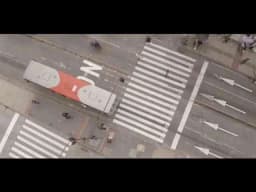
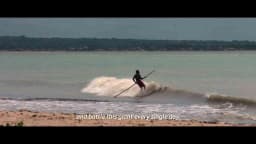
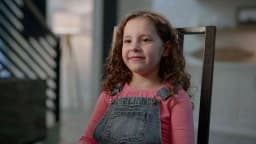
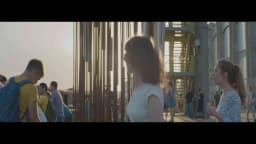
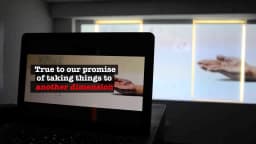
The campaign for CCBEU, a language school in Brazil, centers on an innovative and engaging approach to English learning. By integrating an unexpected "trailer surprise" in a cinema setting, the campaign disrupts the typical movie-going experience to challenge viewers’ perceptions about learning English. This approach positions CCBEU not just as a traditional language school but as a creative and dynamic choice that prepares students effectively for real-life situations, emphasizing readiness and engagement.
The market strategy leverages the context of entertainment—specifically cinema—to connect with an audience that values both cultural experiences and language proficiency. The situational surprise element serves as a narrative device to evoke curiosity and reconsideration, aiming to reach potential learners who might be hesitant or uninterested in conventional English courses. By placing the campaign within an ambient medium directly before a film, it captures attention organically, enhancing memorability and emotional impact. The campaign also reinforces local relevance by promoting CCBEU’s presence in Goiânia, appealing to a regional audience seeking accessible language education with a fresh and innovative flair. The combination of narrative storytelling and situational interruption reflects an insight that experiential learning moments can foster stronger engagement and motivate action in education marketing.
FORMAT#12 PARODY OR BORROWED FORMAT — Uses or parodies pop culture formats like films, shows, or genres.
This campaign most likely employs the "Parody or Borrowed Format" device because it centers around a surprise film trailer moment in a cinema—a clear play on the conventions of movie previews. The campaign is titled "Trailer," leverages a movie theater environment, and specifically utilizes the familiar structure of cinematic previews to engage the audience. Rather than telling a product-centric story or simply demonstrating a benefit, it appropriates the film trailer format; this is designed to disrupt audience expectations and make them rethink their English skills in a creative, memorable way, aligning with the brand’s positioning as a creative language school. There’s no strong cue for a literal problem-solution demonstration, testimonial, or symbolic device, but the whole set-up borrows from a universally recognized entertainment genre to deliver its educational message.
ADVERTISING FORMATS EXPLAINED: https://www.clapboard.com/blog/branding-and-advertising/brand-strategy/12-advertising-creative-formats
1. Cultura Inglesa – Market Positioning
Cultura Inglesa leverages its long-standing heritage and British cultural connection to provide high-quality English language education. It emphasizes immersive learning experiences, cultural events, and internationally recognized certifications, appealing to students seeking both language proficiency and cultural fluency.
2. Fisk – Market Positioning
Fisk positions itself as an accessible, affordable English course provider with a strong local presence across Brazil. It focuses on practical communication skills, modern teaching methods, and flexible scheduling, targeting a broad demographic from beginners to advanced learners.
3. Wizard by Pearson – Market Positioning
Wizard differentiates through a technology-driven approach, integrating digital platforms with traditional classroom learning. Its franchise model offers wide accessibility, emphasizing quick, effective language acquisition and career advancement opportunities, supported by Pearson’s global educational expertise.
4. CNA – Market Positioning
CNA focuses on conversational English with interactive classes and multimedia tools, aiming for fast communication skills development. It appeals to students desiring enjoyable learning environments and practical applications for travel, work, and social interaction at competitive pricing.
5. Yázigi – Market Positioning
Yázigi blends bilingual education with personalized learning plans, promoting cultural exchange and language immersion. Its strong emphasis on teacher quality and varied course options positions it as a premium choice for serious learners seeking comprehensive linguistic and cultural competence.
Q: What is Trailer about?
A: Trailer is a professional campaign created by the agency Zebrabold for CCBEU, an English language school in Brazil, and was released in 2013. The campaign unfolded in cinemas, where audiences were surprised by an unexpected intervention just before the movie began. This ambient activation challenged viewers to reconsider their preparedness in English, using the context of a film trailer to disrupt expectations and prompt reflection on language learning. The campaign targeted cinema-goers in Goiânia, leveraging the captive environment to reinforce CCBEU’s reputation as a creative and effective educational institution.
Q: What creative device does Trailer use?
A: Trailer employs the Parody or Borrowed Format device, as classified by Clapboard’s 12-format taxonomy (FORMAT#12). The campaign appropriates the familiar structure of movie trailers, inserting a surprise English course message into the cinema experience. By leveraging this universally recognized pop culture format, the campaign disrupts audience expectations and delivers its educational message in a memorable, engaging way. This approach aligns with CCBEU’s positioning as a creative language school and demonstrates how borrowed entertainment genres can be repurposed to drive brand relevance in education.
Q: What is the campaign proposition for Trailer?
A: The campaign proposition for Trailer centers on positioning CCBEU as a dynamic and innovative alternative to traditional English courses. By integrating a surprise trailer moment within the cinema environment, the brand speaks directly to an audience that values cultural experiences and personal growth. The message challenges viewers to question their readiness to communicate in English, emphasizing the importance of preparation and engagement. This approach differentiates CCBEU in the education market by highlighting its creative teaching methods and local relevance, appealing to prospective students seeking a more immersive and memorable language learning experience.
Q: How does Trailer rank in Clapboard's archive?
A: Trailer holds a Clapboard Campaign Score of 69/100. This score reflects the campaign’s creative ambition, the quality of its execution, and its cultural relevance within the education sector. As part of Clapboard’s global ad archive, Trailer is recognized for its innovative use of ambient media and its ability to prompt audience reflection on language preparedness in a public entertainment setting.
Q: Who are the competitors in CCBEU's category?
A: In the Brazilian English language education market, CCBEU competes with several established brands. Cultura Inglesa emphasizes its British heritage and immersive cultural experiences, appealing to students seeking both proficiency and cultural fluency. Fisk is known for its accessible, affordable courses and practical communication focus, targeting a broad demographic. Wizard by Pearson differentiates through technology integration and rapid language acquisition, supported by Pearson’s global expertise. CNA prioritizes conversational skills and interactive learning environments, while Yázigi offers personalized bilingual education with a strong emphasis on teacher quality and cultural exchange.


 ARCHIVE
.webp)