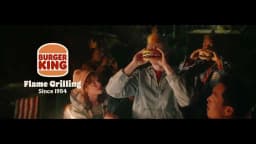
The "WHOPPER TOOTHPASTE" campaign by Burger King, launched in France in 2017, leverages a playful and humorous approach to extend the brand’s iconic product experience beyond food. The campaign’s brand proposition centers on associating Burger King’s signature Whopper flavor with a novel concept—a toothpaste that purportedly keeps the mouth “WHOPPER fresh.” This idea suggests a strong, memorable flavor experience that persists, reinforcing the brand’s identity as bold and distinctive. By translating the Whopper’s taste into an unexpected product category, the campaign seeks to cement burger freshness and flavor as a defining attribute of the brand, blurring traditional boundaries between food and oral hygiene.
Strategically, the campaign taps into consumer tendencies toward novelty and humor, using an absurd yet engaging creative angle that catches attention and stimulates conversation. The insight relies on the cultural ubiquity of oral care routines, subverting expectations by linking fast food with toothpaste—two unrelated product categories—to create a striking, memorable impression. This unconventional pairing targets a youthful, digitally savvy audience comfortable with viral, humorous content and brand crossovers. By doing so, Burger King differentiates itself in the crowded food market with a disruptive message that fuels brand recall. The campaign’s medium—a short film—amplifies this strategy by delivering a concise narrative that is easy to share online, evidenced by over 250,000 views and substantial engagement on YouTube. Overall, the campaign uses humor and inventive brand extension to enhance emotional connection and maintain cultural relevance in a competitive, trend-conscious market.
FORMAT#9 SYMBOLIZE THE BENEFIT — Uses symbols or exaggerated visuals to represent the product’s positive impact.
This campaign imagines "WHOPPER® TOOTHPASTE," a fictitious or exaggerated product that promises to keep your mouth “WHOPPER® fresh,” blending the flavor and benefit of Burger King's famous burger with an everyday household item. The creative conceit employs humorous exaggeration and symbolic transformation, rather than a literal demonstration or narrative resolution. It doesn’t address an explicit problem or feature user testimonials, but instead, symbolically represents Burger King's distinctiveness and flavor impact by translating it into a toothpaste—a clear use of exaggeration-as-benefit symbolism, in line with the campaign’s comedic intent and parody tone.
ADVERTISING FORMATS EXPLAINED: https://www.clapboard.com/blog/branding-and-advertising/brand-strategy/12-advertising-creative-formats
1. McDonald’s – Positioned as the global leader in fast food, McDonald’s emphasizes consistency, convenience, and family-friendly environments. It leverages iconic products like the Big Mac and value menus, invests heavily in technology and delivery services, and appeals to a broad demographic with strong brand recognition and widespread presence.
2. KFC – Specializing in fried chicken, KFC differentiates through its secret blend of 11 herbs and spices. It focuses on flavor innovation and localization, targeting consumers seeking indulgent, protein-rich fast food options. KFC emphasizes bold taste and comfort food positioning with a strong identity in quick-service dining.
3. Quick – A prominent European fast-food chain, Quick positions itself by offering a blend of American-style burgers with a European twist. It focuses on high-quality ingredients and locally adapted menus, appealing to consumers looking for a mix of familiar and gourmet fast-food experiences in France and neighboring countries.
4. Subway – Subway’s positioning centers on customization and perceived health benefits, offering made-to-order sandwiches with fresh ingredients. It attracts health-conscious consumers seeking quick and lighter meal options, while stressing freshness, variety, and the ability to tailor meals to individual tastes.
5. Five Guys – Known for handcrafted burgers and fresh-cut fries, Five Guys positions itself as a premium fast-casual brand. It appeals to customers who prioritize quality ingredients, made-to-order food, and a more upscale experience compared to traditional fast food chains, targeting burger enthusiasts seeking authenticity and taste.
Q: What is WHOPPER TOOTHPASTE about?
A: WHOPPER TOOTHPASTE is a professional campaign launched in France in 2017 for Burger King, created by the agency Buzzman. The campaign centers on a fictional product—WHOPPER TOOTHPASTE—that promises to keep your mouth “WHOPPER fresh,” humorously merging Burger King’s iconic burger flavor with the everyday ritual of oral care. Delivered as a short film, the campaign leverages parody and surprise to highlight Burger King’s playful brand identity. With a single online media asset, it achieved significant digital engagement, reinforcing the brand’s reputation for bold, unconventional marketing in the highly competitive food industry.
Q: What creative device does WHOPPER TOOTHPASTE use?
A: WHOPPER TOOTHPASTE employs FORMAT#9 SYMBOLIZE THE BENEFIT, as classified by Clapboard’s 12-format taxonomy. This creative approach uses exaggerated visuals and symbolic transformation to represent the product’s positive impact—in this case, translating the sensory experience of eating a Whopper into a toothpaste. Rather than offering a literal demonstration, the campaign relies on parody and comedic exaggeration, using the absurdity of a burger-flavored toothpaste to reinforce Burger King’s distinctiveness and flavor credentials. This symbolic device amplifies memorability and aligns with the brand’s irreverent tone.
Q: What is the campaign proposition for WHOPPER TOOTHPASTE?
A: The campaign proposition for WHOPPER TOOTHPASTE is to extend Burger King’s signature Whopper flavor into an unexpected product category, positioning the brand as bold, memorable, and culturally relevant. By presenting a toothpaste that keeps your mouth “WHOPPER fresh,” the campaign targets a youthful, digitally savvy audience drawn to novelty and humor. This strategic move blurs the boundaries between food and oral care, reinforcing Burger King’s identity as a brand that stands out for its flavor impact and willingness to disrupt category conventions. The campaign’s playful narrative deepens emotional connection and fuels brand recall in a crowded market.
Q: How does WHOPPER TOOTHPASTE rank in Clapboard's archive?
A: WHOPPER TOOTHPASTE holds a Clapboard Campaign Score of 79/100. This score reflects the campaign’s creative ambition, execution quality, and cultural relevance as assessed by Clapboard’s global ad archive.
Q: Who are the competitors in Burger King's category?
A: In the fast-food sector, Burger King faces competition from McDonald’s, which leads globally with a focus on consistency, convenience, and broad family appeal; KFC, which differentiates through its signature fried chicken and bold flavor positioning; Quick, a major European chain offering American-style burgers with a local twist and an emphasis on quality ingredients; Subway, which targets health-conscious consumers with customizable, fresh sandwiches; and Five Guys, which appeals to burger enthusiasts seeking premium, made-to-order meals and an upscale fast-casual experience.


.webp)