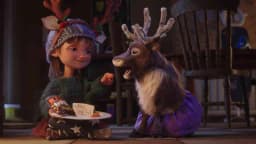
The 'Pep & Pepper' campaign by Arroz Dacsa presents a nuanced brand proposition centered on the coexistence of tradition and innovation. Through the narrative of Pep, an elderly Spanish man, and Pepper, an AI robot designed to engage emotionally and support learning, the campaign subtly communicates that while technology and modernity advance, the cultural and emotional significance of traditional foods—exemplified by paella—remains essential. Arroz Dacsa positions itself not merely as a food product but as a custodian of regional heritage, emphasizing the authentic value of paella in Valencian identity and the broader Spanish culture.
The market strategy leverages a humanizing and generational storytelling approach to resonate with diverse audiences familiar with evolving family and social dynamics. By using an intergenerational friendship between a senior individual and an AI robot, the campaign bridges modern technological innovation with time-honored culinary tradition. This creative angle taps into insights regarding the growing role of technology in everyday life, while emphasizing that some experiences—like sharing and understanding the cultural depth of traditional cuisine—cannot be replaced by machines. Targeted primarily at Spanish consumers likely familiar with or nostalgic about paella culture, the campaign appeals through emotional narrative rather than direct product promotion, fostering brand affinity through cultural pride and reflection. The choice of film as a medium supports an immersive storytelling experience that invites viewers to consider how food traditions persist and adapt in a changing world.
FORMAT#5 EXEMPLARY STORY — Tells a story where the product plays a vital role in the plot or resolution.
This campaign fits the Exemplary Story format because it centers on the relationship between Pep, an elderly man, and Pepper, a robot who can help him with many aspects of life—except sharing the authentic experience of Spanish paella. The plot unfolds as Pep decides to show Pepper the deeper cultural meaning of paella, especially for Valencians, thus weaving Arroz Dacsa’s product into the emotional and narrative resolution. The rice, as both tradition and emotional connector, plays a decisive role in the climax, making it a clear example of the product’s vital narrative function.
ADVERTISING FORMATS EXPLAINED: https://www.clapboard.com/blog/branding-and-advertising/brand-strategy/12-advertising-creative-formats
1. SOS – Market Positioning
SOS positions itself as a trusted, household rice brand in Spain with a focus on consistent quality, convenience, and a wide variety of rice types. It emphasizes tradition and reliability, appealing to families who seek authentic Spanish rice experiences, including classic dishes like paella.
2. Brillante – Market Positioning
Brillante highlights its premium quality rice grown in Spain, with particular attention to the taste and texture ideal for traditional Spanish recipes. The brand markets itself as an expert in rice selection, focusing on heritage and culinary authenticity, targeting home cooks and gastronomes alike.
3. La Cigala – Market Positioning
La Cigala leverages its Mediterranean roots to promote rice products crafted specifically for regional Spanish dishes. The brand emphasizes tradition and geographic authenticity, aligning itself closely with Valencia’s rich paella culture and appealing to consumers seeking genuine local ingredients.
4. Calasparra – Market Positioning
Calasparra brand specializes in Denomination of Origin (DO) rice from Murcia, promoting its product as a premium, high-quality rice with superior absorption and texture. It differentiates through its regional authenticity and strict quality standards, catering to consumers valuing gastronomic excellence.
5. Iris – Market Positioning
Iris emphasizes traditional Spanish rice varieties, balanced with affordability and accessibility. The brand focuses on delivering consistent, everyday-quality rice suited for various Spanish dishes, targeting mainstream consumers who want reliable rice options without premium pricing.
Q: What is Pep & Pepper about?
A: Pep & Pepper is a film campaign launched in Spain in 2018 for the brand Arroz Dacsa, created by the agency KIDS and set within the food and drink market. The narrative centers on the friendship between Pep, a septuagenarian Spanish man living alone, and Pepper, an AI robot designed to read emotions and assist with daily life, including homework, English lessons, and exercise. The story explores the cultural significance of paella, particularly in Valencia, highlighting how technology can support but never fully replace the sensory and emotional experience of traditional food. The campaign uses this relationship to reflect on the coexistence of innovation and heritage.
Q: What creative device does Pep & Pepper use?
A: Pep & Pepper employs the Exemplary Story format, as classified by Clapboard’s 12-format taxonomy. This approach places the product—Arroz Dacsa rice—at the heart of the narrative, making it vital to the plot’s resolution. The campaign’s creative device is to weave the brand into a story where the rice is not just a backdrop but a decisive connector between characters and culture. By focusing on the emotional journey of Pep and his robot companion, the campaign demonstrates how the product embodies both tradition and the evolving role of technology in daily life.
Q: What is the campaign proposition for Pep & Pepper?
A: The campaign proposition for Pep & Pepper positions Arroz Dacsa as more than a rice brand; it is presented as a custodian of Spanish and Valencian culinary heritage. The narrative targets Spanish consumers, especially those who value the cultural and emotional resonance of traditional foods like paella. By highlighting the friendship between an elderly man and an AI robot, the campaign underscores that while technology can enhance modern living, it cannot replace the deep-rooted meaning of sharing authentic dishes. This strategic positioning leverages emotional storytelling to foster brand affinity and cultural pride within the food and drink category.
Q: How does Pep & Pepper rank in Clapboard's archive?
A: Pep & Pepper holds a Clapboard Campaign Score of 64/100 in Clapboard's global ad archive. This score reflects the campaign’s creative ambition, execution quality, and cultural relevance as evaluated by Clapboard’s curatorial standards.
Q: Who are the competitors in Arroz Dacsa's category?
A: In the Spanish rice market, Arroz Dacsa competes with several established brands. SOS is known for its consistent quality and family-oriented positioning, emphasizing reliability for classic Spanish dishes. Brillante markets itself as a premium rice expert, focusing on taste and texture for traditional recipes. La Cigala leverages its Mediterranean roots and close association with Valencian paella culture to appeal to those seeking authentic regional ingredients. Calasparra distinguishes itself with Denomination of Origin rice from Murcia, targeting consumers who prioritize gastronomic excellence. Iris balances tradition with affordability, offering accessible rice options for everyday Spanish cooking.


 ARCHIVE
.webp)