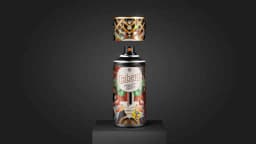
The 'WhoppHER' campaign by Burger King, launched in Germany in June 2018, centers around a culturally significant moment for women in Saudi Arabia, leveraging the brand’s platform to celebrate increased female empowerment. By creating the WhoppHER—an exclusive offering available only at drive-thru locations for women drivers in Saudi Arabia—Burger King aligns its brand proposition with themes of inclusivity, recognition, and social progression. The campaign implicitly promises that Burger King supports contemporary societal shifts and values the evolving roles of women, particularly in regions where such changes are highly symbolic.
Strategically, the campaign taps into a powerful cultural insight: the lifting of the driving ban for Saudi women represented a historic milestone and a strong emotional trigger. By targeting these newly empowered women drivers, Burger King positions itself as a brand that not only acknowledges but actively celebrates breakthrough moments in social freedom. This approach connects with the intended audience through a narrative that integrates Burger King into a context of modernity and change, enhancing brand relevance. The use of a direct medium and a single media asset focuses the message, ensuring clarity and immediacy. Despite being published in Germany, the campaign content is tailored to the Saudi market with English language metadata, underscoring a localized yet globally resonant message. Overall, the WhoppHER campaign functions as a strategic effort to deepen brand equity by associating Burger King with progressive social values and timely cultural narratives.
FORMAT#10 ASSOCIATED USER IMAGERY — Shows a user profile the target audience can relate to or aspire to.
The 'WhoppHER' campaign by Burger King centers the newly empowered Saudi woman driver, celebrating a significant cultural milestone by offering the WhoppHER exclusively in drive-thru locations to driving women. The creative focus is not on storytelling, symbolism, or comparison, but rather on associating the product with a specific user profile—Saudi women who have just gained the historic right to drive. This format leverages aspirational user imagery, highlighting real-life progress and positioning Burger King as a brand that stands with modern, empowered women.
1. McDonald’s – Positioned as the global leader in quick-service fast food, McDonald’s emphasizes consistent quality, convenience, and value with a broad menu catering to families and a strong focus on innovation and digital ordering in Germany.
2. KFC – Known for its distinctive fried chicken, KFC differentiates through its secret recipe and flavor profile, targeting consumers seeking indulgent comfort food and a more flavorful alternative to traditional burger offerings.
3. Nordsee – A dominant fast-food chain in Germany specializing in seafood, Nordsee appeals to health-conscious and premium customers by offering fresh, sustainably sourced fish-based meals as an alternative to traditional fast food.
4. Subway – Focused on customizable, fresh-made sandwiches, Subway positions itself as a healthier quick-service option, targeting consumers looking for personalized, lighter, and fresher meal choices in the fast-food category.
5. Vapiano – Combining fast casual dining with fresh, made-to-order Italian cuisine, Vapiano differentiates through its modern dining experience and emphasis on quality ingredients, appealing to consumers seeking a step up from classic fast food.
Q: What is WhoppHER about?
A: WhoppHER is a professional campaign launched by Burger King in 2018, created in partnership with the agency Grabarz & Partner and published in Germany. The campaign was developed to celebrate a pivotal cultural milestone: the lifting of the driving ban for women in Saudi Arabia. Centered on the food industry and delivered through a direct medium, WhoppHER offered an exclusive burger available only to female drivers at Burger King drive-thru locations in Saudi Arabia. By tailoring the product and experience to this newly empowered audience, the campaign positioned Burger King as a brand aligned with social progress and gender empowerment.
Q: What creative device does WhoppHER use?
A: WhoppHER employs FORMAT#10 ASSOCIATED USER IMAGERY, as classified by Clapboard’s 12-format taxonomy. This creative approach centers the campaign on a user profile that the target audience can relate to or aspire to—in this case, Saudi women who have just gained the right to drive. Rather than relying on narrative storytelling or abstract symbolism, the campaign directly associates the WhoppHER product with real-life progress, using aspirational imagery to highlight empowerment and independence. This format reinforces Burger King’s alignment with contemporary cultural shifts and its support for modern, empowered women.
Q: What is the campaign proposition for WhoppHER?
A: The campaign proposition for WhoppHER is to position Burger King as a brand that recognizes and celebrates significant social progress, specifically the empowerment of women in Saudi Arabia following the lifting of the driving ban. By offering the WhoppHER burger exclusively to female drivers at Saudi drive-thru locations, Burger King communicates a message of inclusivity and recognition to a newly empowered demographic. This strategic move aligns the brand with themes of modernity and social progression, enhancing its relevance within the food and drink category and deepening consumer connection in a market where such changes are highly symbolic.
Q: How does WhoppHER rank in Clapboard's archive?
A: WhoppHER holds a Clapboard Campaign Score of 69/100 in Clapboard’s global ad archive. This score reflects the campaign’s creative ambition, execution quality, and cultural relevance as evaluated by Clapboard’s curatorial standards.
Q: Who are the competitors in Burger King's category?
A: In the food and drink category, Burger King competes with McDonald’s, which leads the quick-service fast food market through consistent quality, convenience, and digital innovation; KFC, which differentiates with its unique fried chicken and indulgent flavor profile; Nordsee, which appeals to health-conscious consumers with fresh, sustainably sourced seafood; Subway, which targets those seeking customizable and lighter meal options; and Vapiano, which offers a fast casual Italian dining experience focused on fresh, made-to-order cuisine and quality ingredients.


 ARCHIVE
.webp)