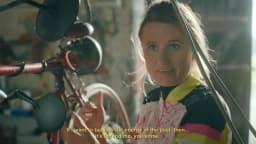
The Burger King campaign "BK loving 'IT' #nevertrustaclown," launched in Germany in October 2017, leverages a timely cultural moment to reinforce the brand’s competitive stance in the fast-food market. By hijacking the pre-premiere of Stephen King’s horror film "IT," the campaign positions Burger King as a clever and bold challenger to its main competitor, implicitly referencing the rival mascot through the figure of the eerie clown. The underlying brand proposition here is one of authenticity and trustworthiness, suggesting that consumers should be wary of deceptive or less genuine options—in this case, the competitor symbolized by the clown—and instead choose Burger King as the preferable alternative.
Strategically, the campaign taps into the heightened anticipation and cultural relevance of a major film release to capture audience attention in a memorable and humorous way. The creative angle of hijacking a popular horror narrative allows Burger King to stand out by turning this context into a lengthy branded piece of content that plays on both fear and humor, aligning with consumer awareness of competitive marketing battles. The use of the hashtag #nevertrustaclown further reinforces this antagonist framing, building a social conversation around skepticism toward the competitor. The campaign’s narrative genre and film format are well-suited to online platforms like YouTube, where it garnered modest engagement, indicating a targeting focus on digitally savvy consumers familiar with pop culture references. Overall, the campaign uses cultural insight and competitive differentiation to deepen brand affinity among an audience attuned to playful rivalries in the food industry.
FORMAT#12 PARODY OR BORROWED FORMAT — Uses or parodies pop culture formats like films, shows, or genres.
This campaign borrows from and parodies the horror film “IT,” as indicated by both the campaign title ("BK loving 'IT'") and the metadata referencing Stephen King's film and its sinister clown. The idea of hijacking the movie’s pre-premiere and the hashtag #nevertrustaclown openly mocks a competitor’s clown mascot (McDonald's). Rather than developing a story with a product-driven arc or focusing on direct comparison, the creative device cleverly leverages and satirizes a well-known pop culture property to associate Burger King with humor and the competitor with fear, utilizing the horror genre as its borrowed format.
ADVERTISING FORMATS EXPLAINED: https://www.clapboard.com/blog/branding-and-advertising/brand-strategy/12-advertising-creative-formats
1. McDonald’s – Market positioning
McDonald’s leads with consistent global brand recognition, focusing on affordability, speed, and family-friendly environments. In Germany, it emphasizes localized menu items, efficient service, and value deals, maintaining broad appeal and market penetration across demographics. Their strong franchise model and digital ordering innovations help retain leadership in quick-service dining.
2. Subway – Market positioning
Subway positions itself as a fresh, healthier fast-food alternative emphasizing customizable sandwiches made to order. It leverages the perception of better nutrition and transparency, catering to health-conscious consumers seeking quick, convenient meals. Subway’s flexible menu and emphasis on fresh ingredients differentiate it within Germany’s competitive fast-food sector.
3. KFC – Market positioning
KFC in Germany markets itself distinctively through its signature fried chicken offering, focusing on bold flavors and indulgence. It targets consumers seeking comfort food and crave-worthy menu options, balancing traditional recipe heritage with localized tastes. KFC’s strong emotional branding and limited-time offerings position it apart in the fast-food poultry niche.
4. Nordsee – Market positioning
Nordsee capitalizes on its specialization in seafood, offering fresh fish and shellfish in fast-casual formats throughout Germany. It appeals to health-conscious and sustainability-minded consumers by promoting freshness, quality, and responsible sourcing. As a niche brand, it positions itself as a premium alternative within the quick-service food segment.
5. Vapiano – Market positioning
Although in the casual dining segment, Vapiano blends fast service with quality Italian cuisine, targeting younger and urban consumers looking for fresh, made-to-order pasta and pizzas. Its modern, self-service format emphasizes customization, transparency, and ambiance, distinguishing it from traditional fast-food chains in Germany’s competitive food industry.
Q: What is BK loving "IT“ #nevertrustaclown about?
A: BK loving "IT“ #nevertrustaclown is a professional campaign created by Grabarz & Partner for Burger King in Germany, launched in 2017. The campaign centers on a film medium that cleverly hijacks the cultural moment surrounding the release of Stephen King’s horror film IT, which features a sinister clown. By playfully referencing the clown mascot of its main competitor, Burger King positions itself as the more trustworthy choice in the fast-food market. The campaign uses humor and pop culture relevance to engage audiences, delivering its brand message through a single, memorable media asset distributed primarily online.
Q: What creative device does BK loving "IT“ #nevertrustaclown use?
A: BK loving "IT“ #nevertrustaclown employs the FORMAT#12 PARODY OR BORROWED FORMAT, as classified by Clapboard’s 12-format taxonomy. This creative technique involves leveraging and parodying a well-known pop culture property—in this case, the horror film IT—to create a humorous and competitive brand narrative. By transforming the film’s pre-premiere into an extended Burger King spot and referencing the rival’s clown mascot, the campaign uses satire and cultural borrowing to make its message both timely and memorable within the food industry.
Q: What is the campaign proposition for BK loving "IT“ #nevertrustaclown?
A: The campaign proposition for BK loving "IT“ #nevertrustaclown is to reinforce Burger King’s position as a bold and authentic challenger in the fast-food sector. By tapping into the anticipation around the IT film release, Burger King uses the clown motif to suggest that consumers should be skeptical of less genuine alternatives—implicitly referencing its main competitor. The campaign’s strategic use of humor and cultural relevance aims to deepen brand affinity among digitally savvy consumers who appreciate playful rivalries and pop culture-driven storytelling in the food and drink market.
Q: How does BK loving "IT“ #nevertrustaclown rank in Clapboard's archive?
A: BK loving "IT“ #nevertrustaclown holds a Clapboard Campaign Score of 71/100. This score reflects the campaign’s creative ambition, execution quality, and cultural relevance as evaluated by Clapboard’s global ad archive.
Q: Who are the competitors in Burger King's category?
A: In Germany’s fast-food landscape, Burger King competes with McDonald’s, which leads with broad brand recognition, affordability, and family-friendly appeal, emphasizing localized menus and efficient service. Subway positions itself as a fresh, healthier alternative with customizable sandwiches for health-conscious consumers. KFC differentiates through its signature fried chicken and bold flavors, targeting those seeking indulgent comfort food. Nordsee stands out by specializing in seafood, appealing to consumers focused on freshness and sustainability, while Vapiano, though in the casual dining segment, attracts younger, urban diners with made-to-order Italian cuisine and a modern, self-service format.


 ARCHIVE
.webp)