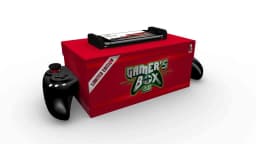
The 2017 Burger King campaign titled "Adults toy," launched in Israel by Leo Burnett, leverages humor within the food industry to position the brand as playful and engaging for adult consumers. The campaign’s core proposition centers on offering more than just a meal: it promises an experience that taps into adult nostalgia and playfulness, reframing fast food as a fun, indulgent, and slightly unconventional choice for Valentine's Day. By branding an “adult meal,” Burger King differentiates itself from competitors, suggesting that its offerings cater to grown-up tastes and sensibilities while still invoking childlike enjoyment.
Strategically, the campaign capitalizes on the insight that adults often seek to reconnect with youthful pleasures while navigating the responsibilities of adulthood. By aligning the product with a culturally relevant occasion—Valentine’s Day—the campaign targets couples and adults looking to celebrate in a manner that breaks away from traditional romantic norms through humor and novelty. The creative approach employs playful visual metaphors (“Adults toy”) paired with the familiar comfort of fast food, creating an engaging juxtaposition that resonates with a modern, urban audience who appreciates irony and wit. The direct medium format and digital presence on YouTube, where the video garnered over 1.5 million views, indicate an emphasis on shareability and online engagement, further amplifying the campaign’s reach within its target demographic. Overall, the campaign reflects a market strategy focused on differentiating Burger King as a brand that understands adult consumers’ desire for fun and authentic experiences, using humor as a tool to strengthen emotional connections and brand relevance.
FORMAT#9 SYMBOLIZE THE BENEFIT — Uses symbols or exaggerated visuals to represent the product’s positive impact.
The Burger King "Adults toy" campaign for Valentine’s Day, entitled "valentines adult meal," leverages humor and innuendo by offering a playful twist—an “Adults Meal” with a toy, targeting couples rather than children. The core creative device is the exaggerated and symbolic use of a "toy" in a context typically reserved for kids’ meals, repurposed as a cheeky symbol of an enhanced, adult-oriented dining experience and intimacy. The campaign doesn’t show a literal problem or follow a narrative arc; instead, it employs suggestive symbolism to portray the benefit: adding excitement and novelty for adults on Valentine’s. This aligns most closely with the Symbolize the Benefit format, exaggerating the positive, playful implications of Burger King catering to grown-ups in a humorous, memorable way. ADVERTISING FORMATS EXPLAINED: https://www.clapboard.com/blog/branding-and-advertising/brand-strategy/12-advertising-creative-formats
1. McDonald’s – Positioned as a family-friendly global fast-food leader, McDonald’s emphasizes consistency, convenience, and affordability. It leverages strong brand recognition and localized menus, balancing international standards with regional tastes, aiming to provide a reliable quick-service experience across all age groups.
2. Burger Ranch – As an Israeli-origin fast-food chain, Burger Ranch highlights its local roots and Mediterranean-inspired menu offerings. It differentiates through a focus on quality grilled burgers and a slightly premium but accessible positioning catering to young adults and families seeking familiar but fresh flavors.
3. McDonald’s McCafé – Operating under the McDonald’s umbrella, McCafé targets the café culture segment by combining affordable quality coffee and pastries with quick service. It positions itself to attract casual meetups and mid-day breaks, expanding customer reach beyond just traditional fast food.
4. KFC – KFC prioritizes its specialization in fried chicken, leveraging unique recipes and the brand’s global footprint. It differentiates as a go-to comfort food option with strong delivery and take-away presence, appealing to consumers seeking an alternative to burger-centric menus.
5. Domino’s Pizza – Domino’s focuses on fast delivery of customizable pizza options with technological innovation in ordering and tracking. It positions itself as a convenient and reliable choice for home dining occasions, offering a distinct non-burger alternative within the fast-food landscape.
Q: What is Adults toy about?
A: Adults toy is a professional campaign created by Leo Burnett for Burger King and launched in Israel in 2017. The campaign centers on the concept of a Valentine’s adult meal, positioning Burger King as a brand that caters to grown-up tastes with a playful twist. By introducing an adult meal featuring a toy, the campaign leverages humor and nostalgia to transform the fast food experience into something more indulgent and memorable for couples. The work was delivered as a direct campaign and achieved significant digital engagement, reflecting its resonance with the target audience.
Q: What creative device does Adults toy use?
A: Adults toy employs the Symbolize the Benefit format, as classified by Clapboard’s 12-format taxonomy. This creative approach uses symbols or exaggerated visuals—in this case, the inclusion of a toy in an adult meal—to represent the product’s positive impact. Rather than depicting a literal problem or narrative, the campaign uses the toy as a cheeky, suggestive metaphor for excitement and novelty, reframing the familiar fast food offering as a playful, adult-oriented experience that stands out in the market.
Q: What is the campaign proposition for Adults toy?
A: The strategic proposition of Adults toy is to position Burger King as a brand that understands and celebrates adult consumers’ desire for fun, indulgence, and authentic experiences. By aligning the campaign with Valentine’s Day and targeting couples, Burger King reframes fast food as an unconventional yet enjoyable way to celebrate romance. The campaign taps into the insight that adults seek to reconnect with youthful pleasures, using humor and novelty to break away from traditional romantic norms and strengthen emotional connections with the brand.
Q: How does Adults toy rank in Clapboard's archive?
A: Adults toy holds a Clapboard Campaign Score of 79/100. This score reflects the campaign’s creative ambition, execution quality, and cultural relevance as assessed by Clapboard’s global ad archive.
Q: Who are the competitors in Burger King's category?
A: In Burger King’s market category, key competitors include McDonald’s, which positions itself as a family-friendly global fast-food leader known for consistency and convenience; Burger Ranch, an Israeli-origin chain emphasizing local roots and Mediterranean-inspired offerings for young adults and families; McDonald’s McCafé, targeting café culture with affordable coffee and pastries; KFC, specializing in fried chicken and comfort food with a strong delivery presence; and Domino’s Pizza, focusing on fast, customizable pizza delivery and technological innovation for home dining occasions.


 ARCHIVE
.webp)