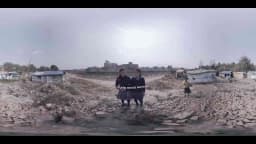
The "Impact Class" campaign by Brisa, launched in Portugal in 2016, positions the brand as a proactive force in road safety education, emphasizing the value of awareness and prevention among new drivers. The campaign’s core proposition centers on delivering a compelling, authentic learning experience that transcends traditional driving lessons by exposing young drivers to the harsh realities and potentially fatal consequences of dangerous driving behavior. By integrating testimonies from car crash survivors, the campaign communicates the life-altering impact of reckless driving, reinforcing Brisa’s commitment to saving lives and fostering responsible driving habits.
Strategically, the campaign taps into the critical moment when novice drivers are most impressionable—their first driving lesson—offering a memorable and emotionally charged intervention that is both informative and socially relevant. This social experiment/documentary approach employs real stories from survivors, lending credibility and emotional weight that challenge youthful invincibility and complacency about road risks. The campaign’s digital execution maximizes reach among young audiences, leveraging online platforms where they are most accessible. It adapts content to resonate culturally and linguistically with the Portuguese market, enhancing relatability and engagement. By foregrounding the avoidable nature of most traffic accidents, the campaign seeks to shift attitudes and behaviors early, contributing to broader public safety objectives while aligning Brisa’s brand identity with social responsibility and impactful education.
FORMAT#7 PRESENTER TESTIMONIAL — A person explains the product’s benefits directly to the audience.
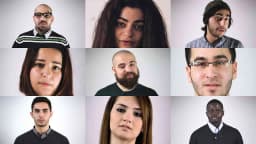
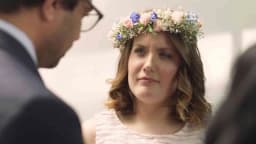
This campaign most closely fits the Presenter Testimonial format, as the central narrative device is the involvement of real car crash survivors (Sara, Pedro, João, and Bruno) sharing their personal stories and experiences with young, future drivers. These individuals act as testimonial presenters rather than abstract symbols or recurring celebrities, confronting students with the real consequences of dangerous driving. The survivors’ impactful, firsthand accounts deliver the campaign’s message in a documentary or social experiment context, emphasizing personal experience over narrative plot or product demonstration. The focus is not on a product “solving” a problem or playing a vital role in a storyline; instead, the survivors’ testimonials serve to credibly warn and educate, driving home the campaign’s public safety goals through lived experience.
1. Autoridade Nacional de Segurança Rodoviária (ANSR) – Positioned as Portugal’s primary public authority dedicated to road safety, ANSR leads nationwide prevention campaigns focused on education, enforcement, and accident reduction, leveraging strong government backing to influence policy and public behavior.
2. ACP (Automóvel Club de Portugal) – As a reputable motoring club and mobility advocate, ACP blends driver education with consumer advocacy, offering driver training programs and promoting responsible mobility through community engagement and trusted expertise.
3. PSP (Polícia de Segurança Pública) – The national police force maintains a strategic role in public safety through law enforcement and road safety awareness campaigns, emphasizing deterrence of dangerous driving behaviors backed by legal authority.
4. Instituto da Mobilidade e dos Transportes (IMT) – The regulatory body focused on mobility and transport integrates policy enforcement with educational initiatives to enhance public understanding of safe driving and mobility services across Portugal.
5. Rádio Renascença – A leading media outlet actively engaged in public interest broadcasting, Rádio Renascença combines wide reach with impactful storytelling to raise awareness on road safety, leveraging emotional narratives to influence public attitudes and behaviors.
Q: What is Impact class about?
A: Impact class is a digital campaign launched in 2016 in Portugal for Brisa, created by the agency Leo Burnett. The campaign centers on Striking Lessons, an initiative that reimagines the first driving lesson by exposing young, soon-to-be drivers to the real-life consequences of dangerous driving through the testimonies of car crash survivors Sara, Pedro, João, and Bruno. By combining emotional storytelling with an educational mandate, Impact class aims to raise awareness about road safety and instill a sense of responsibility in new drivers, positioning Brisa as an advocate for public interest and prevention.
Q: What creative device does Impact class use?
A: According to Clapboard’s 12-format taxonomy, Impact class employs FORMAT#7 PRESENTER TESTIMONIAL, where real individuals directly address the audience to communicate the campaign’s message. In this case, car crash survivors serve as testimonial presenters, sharing their personal stories with young drivers to illustrate the avoidable consequences of reckless driving. This approach leverages authentic, firsthand accounts rather than scripted narratives or product demonstrations, lending credibility and emotional impact to the campaign’s road safety message.
Q: What is the campaign proposition for Impact class?
A: The campaign proposition for Impact class positions Brisa as a proactive leader in road safety education, targeting young, first-time drivers at a formative moment. By integrating the powerful testimonies of car crash survivors, the campaign delivers a compelling and authentic learning experience that highlights the preventable nature of most traffic accidents. This strategy seeks to shift attitudes and behaviors early, reinforcing Brisa’s commitment to saving lives and fostering responsible driving habits within the public service sector, while aligning the brand with impactful social responsibility.
Q: How does Impact class rank in Clapboard's archive?
A: Impact class holds a Clapboard Campaign Score of 70/100 in Clapboard’s global ad archive. This score reflects the campaign’s creative ambition, execution quality, and cultural relevance within the context of public interest communications and road safety education.
Q: Who are the competitors in Brisa's category?
A: In the public service and road safety sector in Portugal, Brisa competes with several key players. Autoridade Nacional de Segurança Rodoviária (ANSR) leads with government-backed prevention campaigns and policy influence, while ACP (Automóvel Club de Portugal) blends driver education with consumer advocacy through community engagement. PSP (Polícia de Segurança Pública) leverages law enforcement authority to drive awareness and deterrence, and Instituto da Mobilidade e dos Transportes (IMT) integrates regulatory oversight with educational initiatives. Rádio Renascença, as a major media outlet, uses its reach and storytelling to shape public attitudes toward road safety.


 ARCHIVE
.webp)