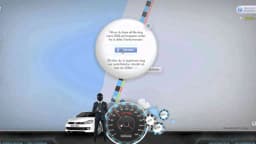
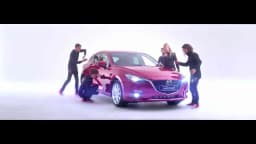
The BMW campaign "Office, Restaurant," launched in Italy in 2013 by agency Bcube, positions the brand as a seamless enabler of convenience and reliability through its Teleservice offering. The core brand proposition centers on integrating automotive maintenance effortlessly into the everyday routines of professional and urban consumers, highlighting BMW’s commitment to advanced customer care that minimizes disruption and maximizes efficiency. This reflects BMW’s broader promise to deliver not only premium vehicles but also premium service experiences tailored to the lifestyles of busy, discerning customers.
Strategically, the campaign leverages insights around the target audience’s time constraints and the need for streamlined vehicle servicing. By situating the narrative in relatable environments such as an office or restaurant, the creative approach underscores how BMW’s Teleservice operates in the background, allowing customers to maintain their daily schedules without interruption. This contextual placement appeals to professionals and urban dwellers who value both high-performance vehicles and convenient, tech-enabled service solutions. The limited engagement metrics in the digital space—modest views and minimal interaction—suggest the campaign may have primarily targeted niche, localized markets or relied on traditional media channels rather than mass digital engagement. Overall, the campaign embodies a strategy focused on reinforcing BMW’s premium customer service as an integral part of the ownership experience, addressing practical pain points through innovation and contextual relevance.
FORMAT#1 DEMONSTRATION — Directly shows how a product works and highlights its benefits.
This campaign, titled “BMW Teleservice_OFFICE,” centers around a branded BMW digital service. While the title and metadata provide limited detail, the emphasis on “Teleservice” and the utilitarian context signaled by “Office, Restaurant” indicate a primary focus on illustrating how this automotive technology operates in everyday settings. There’s no evidence of story-driven arcs, celebrity use, or parody; instead, the likely approach is a scenario-based demonstration showing how BMW’s Teleservice functions for drivers, highlighting its benefits in a direct and practical manner.
ADVERTISING FORMATS EXPLAINED: https://www.clapboard.com/blog/branding-and-advertising/brand-strategy/12-advertising-creative-formats
1. Audi – Market Positioning
Audi positions itself as a premium automotive brand that combines advanced technology, innovative design, and sporty performance. It emphasizes quattro all-wheel-drive capability and cutting-edge digital interiors to appeal to tech-savvy, performance-oriented customers seeking luxury and sophistication.
2. Mercedes-Benz – Market Positioning
Mercedes-Benz focuses on luxury, comfort, and prestige, with a strong reputation for craftsmanship and safety. Its strategic angle is delivering superior refinement and innovative safety features while offering a broad range of models catering to both executive and lifestyle markets.
3. Alfa Romeo – Market Positioning
Alfa Romeo differentiates through its Italian heritage, delivering stylish, sporty, and emotionally engaging vehicles. It appeals to enthusiasts looking for distinctive design, spirited driving dynamics, and a unique blend of performance and Italian craftsmanship.
4. Lexus – Market Positioning
Lexus positions itself as a luxury brand that combines reliability with refined craftsmanship and cutting-edge hybrid technology. It emphasizes comfort, quietness, and exceptional customer service, targeting affluent buyers who prioritize a smooth and trustworthy ownership experience.
5. Volvo – Market Positioning
Volvo differentiates primarily through safety innovation and Scandinavian minimalistic design. The brand targets consumers prioritizing family safety, environmental responsibility, and understated luxury, focusing on hybrid technology and sustainable mobility solutions.
Q: What is Office, Restaurant about?
A: Office, Restaurant is a professional campaign created for BMW by the Italian agency Bcube and launched in Italy in 2013. Designed for the automotive market, the campaign centers on BMW’s Teleservice feature, using film as its primary medium to demonstrate how this digital service integrates seamlessly into everyday environments such as offices and restaurants. Through two scenario-based media assets, the campaign highlights the convenience and reliability of BMW’s technology, targeting a sophisticated Italian audience familiar with the brand’s reputation for innovation and performance.
Q: What creative device does Office, Restaurant use?
A: Office, Restaurant employs the Demonstration format, classified as FORMAT#1 DEMONSTRATION in Clapboard’s 12-format taxonomy. This approach directly shows how BMW’s Teleservice works, focusing on clear, practical scenarios that illustrate the feature’s benefits in real-world settings. Rather than relying on narrative storytelling or celebrity endorsement, the campaign uses straightforward, situational demonstrations to communicate the value of Teleservice, aligning with Clapboard’s definition of the Demonstration format as a technique that foregrounds product utility and ease of use.
Q: What is the campaign proposition for Office, Restaurant?
A: The campaign proposition for Office, Restaurant positions BMW as a brand that enables convenience and reliability through its Teleservice offering. By situating the technology in familiar professional and social contexts, the campaign speaks directly to urban professionals and busy consumers who value streamlined automotive maintenance. The strategic message underscores BMW’s commitment to advanced customer care, presenting Teleservice as a solution that minimizes disruption and maximizes efficiency, thereby reinforcing the brand’s promise of delivering both premium vehicles and premium service experiences tailored to the lifestyles of discerning customers.
Q: How does Office, Restaurant rank in Clapboard's archive?
A: Office, Restaurant holds a Clapboard Campaign Score of 54/100 in Clapboard’s global ad archive. This score reflects the campaign’s creative ambition, execution quality, and cultural relevance as assessed by Clapboard’s curatorial standards.
Q: Who are the competitors in BMW's category?
A: In the automotive category, BMW faces competition from several key brands. Audi positions itself as a premium marque focused on advanced technology, innovative design, and sporty performance, appealing to tech-savvy luxury buyers. Mercedes-Benz emphasizes luxury, comfort, and prestige, with a reputation for craftsmanship and safety that targets executive and lifestyle markets. Alfa Romeo leverages its Italian heritage to attract enthusiasts seeking distinctive design and spirited driving dynamics. Lexus stands out for its blend of reliability, refined craftsmanship, and hybrid technology, catering to buyers who prioritize comfort and a smooth ownership experience. Volvo differentiates through safety innovation and Scandinavian design, appealing to consumers who value family safety, sustainability, and understated luxury.


 ARCHIVE
.webp)