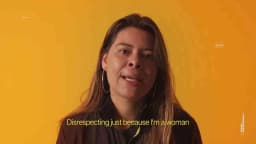
The "Honey Help" campaign by Biscoitos Zezé, launched in Brazil in 2018, positions the brand as a facilitator of warmth and community spirit during a culturally significant period—the Easter season. The campaign’s core proposition emphasizes that amidst the busyness and commercial rush of holiday shopping, acts of kindness and helping others add meaningful sweetness to life, aligning the brand with values of empathy and generosity. By highlighting the story of individuals assisting an elderly woman, Dona Vilma, the campaign implies that Biscoitos Zezé’s products are not just treats but tokens of care and connection.
Strategically, the campaign taps into a key cultural moment when consumers are not only purchasing confectionery for family celebrations but are also more receptive to messages about sharing and goodwill. The narrative approach leverages real-life scenarios and emotional storytelling to engage viewers on a deeper level than conventional product advertising. Targeting family-oriented consumers in Brazil during Easter, the campaign uses experiential elements to foster emotional resonance, encouraging audiences to associate the brand with positive social behavior. This creative angle reinforces the product’s relevance beyond taste, positioning it as part of a broader experience of community and kindness that enhances the holiday’s significance.
FORMAT#5 EXEMPLARY STORY — Tells a story where the product plays a vital role in the plot or resolution.
This campaign fits the "Exemplary Story" format because it presents a narrative in which the product—Biscoitos Zezé's honey cakes—serves as a key element in the story's resolution. The description describes a scenario where people help "Dona Vilma" (a grandmother) during the busy Easter shopping period, and in return, their good deeds are rewarded with "pão de mel" (honey cakes), making their day "much sweeter" and filled with affection. The product is depicted not just as a snack, but as a vehicle for gratitude and emotional reward, central to the story’s payoff. There are no signs of direct demonstration, problem-solution explanation, symbolism, direct competition, testimonial, or celebrity/tool-driven technique; the compelling arc revolves around human interaction, a meaningful resolution, and the instrumental role of the product at the story’s close.
ADVERTISING FORMATS EXPLAINED: https://www.clapboard.com/blog/branding-and-advertising/brand-strategy/12-advertising-creative-formats
1. Bauducco – Known for its wide range of high-quality baked goods, Bauducco positions itself as a premium and trusted brand offering traditional Brazilian snacks and confectionery with an emphasis on family heritage and authentic taste.
2. Piraquê – Piraquê leverages its strong regional presence in Brazil, focusing on crunchy, flavorful snacks with a nostalgic appeal, combining quality ingredients with affordable pricing to attract middle-class consumers.
3. Nestlé Brasil – Nestlé combines global brand recognition with product innovation, emphasizing health-conscious ingredients and diverse confectionery options, positioning itself as a reliable choice for modern, quality-conscious consumers.
4. Mabel – Mabel targets younger consumers with vibrant packaging and diverse flavors, promoting fun and energy through their snack products while maintaining affordability and accessibility across Brazilian markets.
5. Visconti – Visconti focuses on premium cookies and specialty confectionery with artisanal quality, appealing to consumers seeking indulgence experiences and sophisticated taste profiles within Brazil’s growing premium snack segment.
Q: What is Honey Help about?
A: Honey Help is a 2018 experiential campaign created by Mark+ for Biscoitos Zezé in Brazil, designed to connect emotionally with consumers during the Easter season. The campaign centers on the story of Dona Vilma, a grandmother figure who receives help from shoppers during the busy holiday period. As a gesture of gratitude, those who assist her are rewarded with Biscoitos Zezé’s signature honey cakes, turning their Sunday into a sweeter, more affectionate experience. The campaign uses this real-life scenario to highlight the brand’s commitment to kindness and community, positioning its product as a symbol of care during a culturally significant time.
Q: What creative device does Honey Help use?
A: Honey Help employs the Exemplary Story format, as classified by Clapboard’s 12-format taxonomy. In this approach, the product—Biscoitos Zezé’s honey cakes—plays a vital role in the resolution of the narrative. The story unfolds through genuine human interaction, where acts of kindness toward Dona Vilma are rewarded with the brand’s product, making the honey cakes a tangible expression of gratitude. There is no overt demonstration or testimonial; instead, the emotional payoff and the product’s centrality to the story’s conclusion define the creative device.
Q: What is the campaign proposition for Honey Help?
A: The campaign proposition for Honey Help positions Biscoitos Zezé as a brand that champions warmth, empathy, and community spirit during the Easter season. Targeting family-oriented consumers in Brazil, the campaign asserts that amidst the commercial rush of holiday shopping, acts of kindness and helping others bring genuine sweetness to life. By spotlighting the story of individuals assisting Dona Vilma, the campaign aligns Biscoitos Zezé’s products with values of generosity and emotional connection, encouraging audiences to view the brand as more than just a confectionery choice but as a facilitator of meaningful social moments.
Q: How does Honey Help rank in Clapboard's archive?
A: Honey Help holds a Clapboard Campaign Score of 56/100 in Clapboard’s global ad archive. This score reflects the campaign’s creative ambition, execution quality, and cultural relevance as evaluated by Clapboard’s curatorial standards.
Q: Who are the competitors in Biscoitos Zezé's category?
A: In the Brazilian confectionery and snacks market, Biscoitos Zezé competes with several prominent brands. Bauducco is recognized for its premium baked goods and strong family heritage positioning, while Piraquê appeals to nostalgic consumers with regional favorites and accessible pricing. Nestlé Brasil leverages its global reputation and product innovation to attract health-conscious and quality-driven shoppers. Mabel targets younger audiences through vibrant branding and diverse flavors, emphasizing fun and affordability, and Visconti caters to those seeking indulgent, artisanal-quality cookies within the premium segment.


 ARCHIVE
.webp)