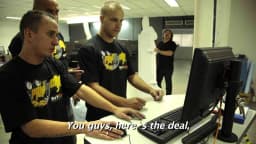
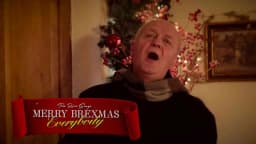
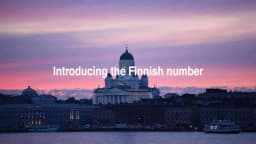
The 'Wanted' campaign for BBC, created by Miami Ad School and launched digitally in Brazil in 2016, leverages a narrative approach within the media and entertainment sector to engage its audience. The campaign’s underlying brand proposition centers on positioning BBC as a compelling and authoritative content provider that seeks to capture attention through distinct storytelling. By deploying a “Wanted” motif, it suggests a pursuit or search, implying that BBC offers content that is highly sought after or worth discovering, thus reinforcing the value of its distinctive, curated programming.
Strategically, the campaign appears to tap into the cultural resonance of the “wanted” concept, likely designed to pique curiosity and create a sense of urgency or desirability around BBC’s media offerings. Targeting a Brazilian audience via digital channels reflects an understanding of the market’s increasing digital media consumption and the importance of narrative-driven engagement to stand out in a crowded media landscape. The minimalistic YouTube deployment—with limited metadata, views, and interaction—suggests a focus on organic visibility and targeted storytelling rather than mass reach. The content’s subtlety and narrative framing aim to connect with viewers who appreciate nuanced media experiences, leveraging the intrigue of a “wanted” narrative to align BBC’s brand with quality, sought-after content. This approach underscores a market strategy that prioritizes depth of engagement over broad outreach, catering to an audience interested in premium, distinctive entertainment and information.
FORMAT#12 PARODY OR BORROWED FORMAT — Uses or parodies pop culture formats like films, shows, or genres.
The campaign title “Wanted Meme” and its classification within the Media/Entertainment category strongly suggest the use of a borrowed or parodied narrative format. The reference to “Wanted” likely invokes the aesthetics or tropes of crime dramas or westerns, genres popularly borrowed in advertising, possibly blending this with internet meme culture to create humor and cultural resonance. There is no evidence of a testimonial, story resolution via the product, or direct problem-solution framing; instead, the use of “Wanted” in the title, alongside meme culture in the description, indicates the creative device is built upon parodying pop culture motifs rather than employing a literal or symbolic demonstration. This approach aligns squarely with Format #12, as the campaign’s attention-getting power is drawn from a recognizable borrowed genre or style rather than a narrative centered on product function or a clear testimonial.
1. Globo – Globo is Brazil’s leading media conglomerate, known for its vast reach across television, digital, and print. It differentiates itself through localized content, mass entertainment appeal, and dominant market share in Brazilian households, focusing on telenovelas, sports, and news with strong national cultural relevance.
2. Netflix – Netflix positions itself as a global streaming pioneer offering on-demand, diverse, and personalized entertainment content. Its strategic edge lies in original productions, global accessibility, and user-centric algorithms tailored to evolving viewer preferences, appealing strongly to younger, tech-savvy audiences in Brazil.
3. Record TV – Record TV competes with a focus on family-oriented programming and evangelical content. It leverages strong religious affiliations and regional appeal, offering soap operas, reality shows, and news, creating loyal viewership within specific demographic and cultural segments in Brazil.
4. Rede Bandeirantes (Band) – Band differentiates through a mix of sports broadcasting, journalism, and entertainment targeting young and adult audiences. It emphasizes live sports events and investigative journalism to carve out a niche among viewers seeking dynamic and current programming beyond traditional entertainment.
5. Amazon Prime Video – Amazon Prime Video strategically targets Brazilian audiences by combining an extensive international library with investment in local original content. It leverages Amazon’s e-commerce ecosystem for bundling services and offers competitive pricing, aiming to grow market share via convenience and localized storytelling.
Q: What is Wanted about?
A: Wanted is a student campaign created in 2016 by Miami Ad School in Brazil for the BBC, targeting the media and entertainment sector through digital channels. The campaign centers on a single, impactful media asset that leverages the viral appeal of meme culture to engage a digitally native, social media-savvy audience. Presented in German, Wanted uses humor and cultural nuance to position BBC as a content provider attuned to contemporary digital trends. Despite its student origins, the campaign demonstrates a sophisticated understanding of narrative-driven engagement within the crowded digital media landscape.
Q: What creative device does Wanted use?
A: Wanted employs a parody or borrowed format, classified as FORMAT#12 in Clapboard’s 12-format taxonomy. This approach draws on recognizable pop culture motifs—specifically the aesthetics and tropes of crime dramas or westerns—blending them with the viral, humorous nature of internet memes. Rather than centering on a testimonial or direct product demonstration, the campaign’s creative power lies in its ability to capture attention through the playful subversion of familiar genres, aligning with Clapboard’s definition of a borrowed or parodied narrative format.
Q: What is the campaign proposition for Wanted?
A: The campaign proposition for Wanted positions BBC as a sought-after and authoritative source of distinctive content within the media and entertainment market. By adopting the motif of a pursuit or search, the campaign suggests that BBC’s programming is highly desirable and worth discovering, reinforcing the brand’s value as a curator of premium media experiences. Targeted at a Brazilian digital audience, the campaign’s narrative-driven, meme-based storytelling aims to create curiosity and urgency, appealing to viewers who appreciate nuanced, culturally resonant media engagement.
Q: How does Wanted rank in Clapboard's archive?
A: Wanted holds a Clapboard Campaign Score of 54/100 in Clapboard’s global ad archive. This score reflects the campaign’s creative ambition, execution quality, and cultural relevance as evaluated by Clapboard’s curatorial standards.
Q: Who are the competitors in BBC's category?
A: In the Brazilian media and entertainment sector, BBC competes with major players such as Globo, which dominates with localized mass entertainment and national news; Netflix, a global streaming leader known for original content and personalized viewing experiences; Record TV, which focuses on family and evangelical programming to build loyal regional audiences; Rede Bandeirantes (Band), which carves out a niche through live sports and investigative journalism; and Amazon Prime Video, which leverages a broad international library and local originals, bundling services to attract a growing digital audience.


 ARCHIVE
.webp)