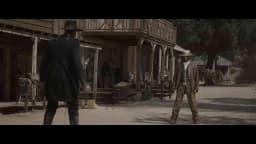
The campaign for Basecamp, titled "Basecamp: Old vs New," positions the brand as a critical ally for small businesses striving to operate efficiently and creatively in contrast to the slow, bureaucratic processes typical of large enterprises. The core brand proposition centers on empowering small teams—the scrappy underdogs who face unique pressures to be agile and resourceful—to manage projects effectively with Basecamp’s tools. The promise is that small businesses can outperform larger competitors by embracing a faster, friendlier, and smarter way of working, supported by Basecamp’s project management platform.
Strategically, the campaign leverages a narrative that contrasts the cumbersome nature of large organizations against the nimbleness of small teams. It taps into the insight that small businesses cannot afford inefficiency or indecision; therefore, they need straightforward, reliable solutions to keep momentum and maintain focus. By framing small businesses as superior in agility and innovation, the campaign appeals to entrepreneurs who value autonomy and effectiveness. The creative angle emphasizes a relatable "underdog" mentality, positioning Basecamp not just as software but as an enabler of a distinct small business ethos.
Targeting entrepreneurs and small teams in the United States, the campaign uses a storytelling approach that highlights the real-world challenges of growing companies, reinforcing Basecamp’s relevance and practicality. The film medium and YouTube presence with significant views suggest an emphasis on engagement and storytelling to build emotional connection and trust. Overall, the approach underscores Basecamp’s role in helping small businesses survive, thrive, and succeed against larger competitors by being faster and more resourceful.
FORMAT#4 CONTRAST WITH THE COMPETITION — Explicitly compares the product to competitors to show superiority.
This campaign’s creative device is most closely aligned with Contrast with the Competition. The campaign title “Old vs New” and the thematic focus on how large businesses (old way: bureaucracy, slow-moving) differ from small, scrappy teams (new way: fast, clever, creative) sets up a direct comparative framework. The narrative and metadata (“Your way is better than theirs”, “Small is not less than. It’s greater than…”) repeatedly emphasize that small businesses, with Basecamp, operate more efficiently compared to lumbering, traditional companies bogged down by bureaucracy. The product is not simply shown; its use is contrasted with inefficient alternatives, highlighting Basecamp’s superiority for small teams. There are no cues suggesting a testimonial, exemplary story arc, symbolism, user imagery, parody, or unique personality property as the dominant device, making Contrast with the Competition the clearest fit.
ADVERTISING FORMATS EXPLAINED: https://www.clapboard.com/blog/branding-and-advertising/brand-strategy/12-advertising-creative-formats
1. Asana – Positioned as an intuitive and flexible project management platform designed to help teams organize, track, and manage their work with ease. Asana emphasizes user-friendly interfaces, powerful integrations, and customizable workflows to enhance team collaboration and productivity, appealing to both small teams and large enterprises seeking scalable solutions.
2. Trello – Known for its visual, card-based kanban approach, Trello differentiates itself by offering simple, drag-and-drop task management that is highly accessible and easy to adopt. It targets teams looking for lightweight, flexible project tracking and collaboration with strong third-party integration options, making it popular among creative and agile teams.
3. Monday.com – Focused on versatility and customization, Monday.com markets itself as a work operating system that adapts to various industries and team needs. Its appeal lies in its automation capabilities, customizable templates, and extensive workflow options, enabling organizations to streamline processes beyond just project management.
4. Wrike – Wrike positions itself as an enterprise-grade project management and collaboration tool emphasizing real-time visibility, advanced reporting, and scalability. It targets mid to large-sized businesses that require complex project coordination, resource management, and robust integrations with other enterprise software.
5. ClickUp – ClickUp differentiates by offering an all-in-one productivity platform that combines project management, document collaboration, goal tracking, and communication tools. Its strategy focuses on replacing multiple apps with a single customizable solution that appeals to diverse teams seeking centralized control over workflows and productivity.
Q: What is Basecamp: Old vs New about?
A: Basecamp: Old vs New is a 2023 film campaign created for the United States market that highlights the contrast between large, bureaucratic businesses and small, agile teams. The campaign positions Basecamp as an essential project management tool that empowers small businesses to operate faster, friendlier, and more creatively than their larger counterparts. It celebrates the underdog spirit of small teams who must be scrappy and clever to survive and thrive. The campaign’s central idea is that small businesses using Basecamp can outperform slow-moving enterprises bogged down by meetings and indecision.
Q: What creative device does Basecamp: Old vs New use?
A: Basecamp: Old vs New employs the Contrast with the Competition creative format, as classified by Clapboard’s 12-format taxonomy. This device explicitly compares the inefficiencies of large corporations with the nimbleness of small businesses using Basecamp. The campaign frames the brand as superior by highlighting the faster, smarter, and more resourceful way small teams work with Basecamp, setting it apart from traditional, bureaucratic alternatives. This direct comparative framework is the dominant creative technique driving the campaign’s narrative and messaging.
Q: What is the campaign proposition for Basecamp: Old vs New?
A: The campaign proposition for Basecamp: Old vs New positions the brand as a critical ally for small businesses striving to operate efficiently and creatively in contrast to large enterprises weighed down by bureaucracy. It targets entrepreneurs and small teams who value autonomy and effectiveness, emphasizing that small is not less but greater, faster, and friendlier. Basecamp promises to help these businesses survive, thrive, and stand out by providing straightforward, reliable project management tools that maintain momentum and focus in competitive markets.
Q: How does Basecamp: Old vs New rank in Clapboard's archive?
A: Basecamp: Old vs New holds a Clapboard Campaign Score of 63/100. This score reflects the campaign’s creative ambition, execution quality, and cultural relevance as assessed by Clapboard’s global ad archive. The rating indicates the campaign’s effectiveness in delivering a clear, engaging narrative that resonates with its target audience and reinforces Basecamp’s brand positioning in the project management software category.
Q: Who are the competitors in Basecamp's category?
A: Basecamp competes with several key project management platforms, each with distinct market positioning. Asana is known for its intuitive and flexible interface that supports scalable team collaboration and productivity. Trello offers a visual, card-based kanban system favored by creative and agile teams for its simplicity and ease of use. Monday.com markets itself as a versatile work operating system with automation and customization to streamline workflows across industries. Wrike targets mid to large-sized businesses requiring enterprise-grade project coordination and real-time visibility. ClickUp differentiates by providing an all-in-one productivity platform that combines project management, document collaboration, and communication tools for centralized workflow control.



.webp)