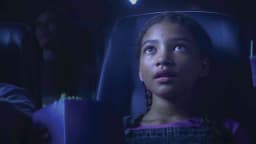
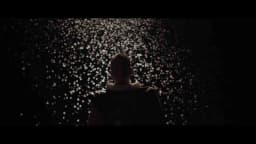
B Classic's Epicgram campaign by DDB Brussels used a smartphone app to transform everyday videos with slow-motion effects and classical music tracks in

B Classic Epicgram Turns Smartphone Videos Into Classical Cinema
Epicgram is a 2016 digital campaign created by DDB Brussels for B Classic, launched in Belgium in April 2016, in which a smartphone app allowed users to transform their own ordinary videos with slow-motion effects and classical music soundtracks, repositioning classical music as a medium native to everyday digital life, according to Little Black Book.
B Classic operates as a classical music broadcaster in Belgium, occupying a niche that depends on sustained cultural relevance to attract younger, digitally connected audiences. The challenge facing the brand in 2016 was not simply promotional — it was perceptual. Classical music carried associations of formality and distance that placed it at odds with the spontaneous, social-first behaviour of smartphone users. Epicgram addressed that gap directly by handing audiences a creative tool rather than a passive listening experience.
Developed in collaboration with Outhere Music, a Belgian music label with roots in classical and world recordings, the campaign fused music licensing with product design. The app itself was the campaign's central media asset, sitting at the intersection of user-generated content culture and the classical repertoire. Users could shoot or import footage, apply cinematic slow-motion processing, and pair the result with a classical track, then share the finished piece across social platforms, according to Tursab Org Tr. The mechanic turned every participant into a co-author of the campaign's creative output.
DDB Brussels positioned Epicgram within the recreation and leisure category, recognising that the moments people most want to elevate — a child's birthday, a sunset, a sporting achievement — are precisely the moments classical music has always been composed to match. By meeting Belgian audiences inside the smartphone habits they already practised, the campaign made the case for classical music without making an argument at all. Epicgram earned a Clapboard Score of 63 out of 100, reflecting a concept with genuine strategic ingenuity expressed through a single, focused digital execution.

B Classic faced a well-documented cultural positioning problem in Belgium and across comparable European markets, according to Bizcommunity. Classical music audiences were ageing, and digital-native generations had little structural reason to engage with the genre on its own terms. The strategic insight driving Epicgram was precise: rather than bringing young audiences to classical music, bring classical music to the behaviour young audiences already owned.
That behaviour was smartphone video. By April 2016, mobile video creation and sharing had become a defining leisure activity across Belgium and the broader European market. The campaign's decision to build an app — rather than produce a film, a playlist, or a social media push — reflects a strategy that respected the audience's autonomy. Epicgram did not ask users to listen differently; it gave them a reason to create. In doing so, it embedded classical music into a recreational ritual that required no prior cultural affinity with the genre.
The competitive context for this approach is instructive. Spotify had already normalised algorithm-driven music discovery in Belgium by 2016, and Apple Music had launched its editorial-led streaming service the previous year. Both platforms treated classical music as a catalogue category rather than a living creative force. Epicgram's app-based model offered something neither competitor provided: a participatory relationship with the music itself, anchored in the user's own footage and memories.
According to Skift, global travel advertising was growing at approximately thirty percent year-on-year through the third quarter of 2016, reflecting broad investment in leisure and lifestyle marketing across digital channels. In Belgium, that climate created space for leisure-category campaigns that prioritised creative distinctiveness over media spend. Epicgram's partnership with Outhere Music added catalogue depth and institutional credibility, giving the concept a supply of classical recordings that could serve a wide range of emotional registers without licensing friction.
DDB Brussels made a deliberate choice to let the product carry the creative weight of the campaign. Epicgram's single media asset is the app itself, and every aesthetic decision within that app — the slow-motion processing, the music selection interface, the output format — constitutes the campaign's creative execution rather than its supporting material.
The slow-motion effect is not incidental. Decelerated footage creates the visual conditions that classical music was composed to inhabit: sustained tension, gradual resolution, an expanded sense of time. By applying that effect to users' own recordings, the app produced an emotional alignment between image and soundtrack that felt discovered rather than imposed. The user experienced the transformation as their own creative act, which is a considerably more powerful form of brand engagement than passive exposure to a produced advertisement.
The partnership with Outhere Music shaped the campaign's sonic identity in a way that a generic music library could not. Outhere Music is a Brussels-based independent label with an extensive catalogue of classical and early music recordings, giving Epicgram access to material that carried genuine artistic authority within the Belgian cultural landscape. The selection of tracks available through the app represented curatorial choices, not random assignments, and that curation reinforced B Classic's positioning as a broadcaster with taste and expertise rather than simply a channel.
Production credits for the Epicgram campaign are not publicly documented beyond the confirmed agency attribution to DDB Brussels and the music partnership with Outhere Music. The campaign's digital-first, app-centred format means that the conventional creative credits — director, production company, cinematographer — do not apply in the traditional sense. The design and development of the app itself represents the primary production effort, and those contributors have not been identified in publicly available records.
No verified performance data for the Epicgram campaign is publicly available. No trade press reviews from Campaign, Ad Age, Adweek, The Drum, or Contagious have been identified, and no verifiable social media discussion has been documented in publicly accessible records.
What is documented is the campaign's recognition at Cannes Lions 2016, where Epicgram won a Bronze Lion in the Entertainment Lions for Music category. That award is a meaningful external validation of the concept's creative and strategic integrity. The Entertainment Lions for Music category specifically evaluates how brands use, create, or integrate music as a communications platform — a framework that maps precisely onto what Epicgram attempted. A Bronze Lion in that context signals that the jury found the campaign's approach to classical music repositioning genuinely innovative, even if its execution did not reach the top tier of that year's field.
Structurally, the campaign's effectiveness rests on a mechanic that is difficult to dismiss. An app that produces shareable output is, by design, a distribution engine. Every video a Belgian user created with Epicgram and shared to their social network carried B Classic's aesthetic proposition into a context where the broadcaster would otherwise have no presence. The earned media potential of that model is real, even without documented reach figures.
The Clapboard Score of 63 out of 100 reflects this duality. The concept is strategically sharp and the Cannes recognition confirms its creative legitimacy. The score's position in the mid-range acknowledges the campaign's limited documented scale and the absence of measurable impact data, while crediting the originality of its approach to making classical music feel genuinely relevant within Belgium's digital leisure landscape.
Epicgram was a 2016 digital campaign created by DDB Brussels for B Classic in Belgium. The campaign centred on a smartphone app that allowed users to transform their own videos with slow-motion effects and classical music soundtracks, making classical music feel native to everyday smartphone behaviour and social sharing.
DDB Brussels created Epicgram for B Classic. The campaign launched in Belgium in April 2016 and was developed in collaboration with Outhere Music, a Brussels-based independent classical music label that provided the catalogue of tracks available within the app, according to Clapboard's archive records.
Epicgram won a Bronze Lion in the Entertainment Lions for Music category at Cannes Lions 2016. That award recognised the campaign's innovative approach to integrating classical music into a participatory digital format, positioning B Classic's content within a user-generated video creation mechanic, according to Clapboard's documentation.
The Epicgram app allowed users in Belgium to shoot or import smartphone footage, apply slow-motion cinematic effects, and pair the result with a classical music track from Outhere Music's catalogue. Users could then share the finished video across social platforms, turning each participant into an active creative collaborator with B Classic's brand.
B Classic aimed to make classical music relevant to digitally native audiences in Belgium by embedding it inside smartphone video creation habits. Rather than promoting passive listening, Epicgram gave users a creative tool, repositioning classical music as a medium compatible with everyday leisure and social-sharing behaviour, as documented by Clapboard.
Epicgram holds a Clapboard Score of 63 out of 100. The score reflects the campaign's genuine strategic originality and its Cannes Bronze Lion recognition, balanced against limited documented scale and the absence of publicly verified performance metrics for this Belgium-market digital campaign from 2016, according to Clapboard's editorial assessment.
.webp)
Creative Collaboration Platform: The Backbone of Modern Creative WorkWhat is a creative collaboration platform?Clapboard defines a creative collaboration platform as the operational core for today’s distributed creative teams. This is not a collection of digital collaboration tools stitched together; Clapboard’s system


Understanding the Creative Production MarketplaceWhat is a Creative Production Marketplace?Clapboard defines a creative production marketplace as a structured ecosystem where brands, agencies, and production talent converge to execute video, advertising, and branded content at scale. Unlike the legacy agency or freelanREAD FULL ARTICLE

The Urgent Need for a Creative Production Operating SystemWhy Traditional Creative Production Models Break DownClapboard sees the creative production landscape shifting under pressure. Content velocity is no longer a buzzword—it’s a mandate. Modern advertising demands relentless output across dozens of channels, each wREAD FULL ARTICLE