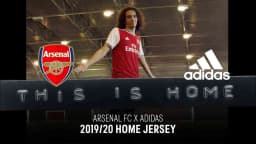
Adidas’ “Earn The Jersey” campaign leverages the symbolic value of the Swedish national football team jersey to convey a brand proposition rooted in respect, unity, and responsibility. Rather than presenting the jersey as a mere product, the campaign frames it as a privilege that must be earned through a commitment to positive values—respect for the team, unconditional support, rejection of hate, and inclusivity. This positions adidas not only as a supplier of sportswear but as a cultural influencer advocating for integrity within the sports community.
The market strategy behind the campaign addresses growing concerns around intolerance and hostility in Swedish football, recognizing that fan behavior impacts the broader perception and spirit of the sport. By involving both the Swedish Football Association and creating terms of support that fans must agree to, adidas effectively moves beyond conventional product marketing toward social engagement. The creative angle—challenging supporters to “earn” the right to wear the jersey—turns the act of purchase into a statement of values, targeting invested football fans who identify strongly with national pride and community ethics. This narrative approach leverages emotional connections to the national team while promoting a code of conduct that aligns with adidas’ broader brand ethos of inclusivity and respect in sports. By doing so, the campaign resonates with audiences not just as consumers but as active participants in fostering a healthier, more respectful sporting environment.
FORMAT#10 ASSOCIATED USER IMAGERY — Shows a user profile the target audience can relate to or aspire to.
This campaign is centered on the idea that to wear the Swedish national team jersey, supporters must embody key values like respect, inclusivity, and true support. Rather than focusing on product features or a typical problem-solution arc, the narrative asserts that only those who uphold these ideals “earn” the jersey, positioning the user profile (the ideal supporter) as the core of the communication. The focus is aspirational—audiences are urged to see themselves as the true, values-driven supporter, making this campaign a textbook fit for Associated User Imagery, where wearing the product is directly tied to personal values and identity not usage or benefits.
ADVERTISING FORMATS EXPLAINED: https://www.clapboard.com/blog/branding-and-advertising/brand-strategy/12-advertising-creative-formats
1. Nike – Market Positioning
Nike positions itself as a global leader in innovation and performance-driven sportswear, blending cutting-edge technology with inspirational storytelling. It emphasizes empowerment and personal achievement, leveraging high-profile athlete endorsements and cultural relevance to inspire consumers worldwide.
2. Puma – Market Positioning
Puma differentiates by fusing sport, lifestyle, and fashion, appealing to younger, trend-conscious consumers. Its strategic angle combines sports performance with bold, street-style aesthetics, often collaborating with celebrities and designers to create limited-edition, lifestyle-oriented collections.
3. Under Armour – Market Positioning
Under Armour focuses on high-performance athletic gear that enhances training and competition. It emphasizes innovation, durability, and technology-driven apparel targeting serious athletes and fitness enthusiasts looking for gear that optimizes performance and recovery.
4. New Balance – Market Positioning
New Balance positions itself as a brand blending heritage craftsmanship with modern performance innovation. Known for quality, comfort, and a strong focus on running and lifestyle segments, it promotes inclusivity by offering a wide variety of sizes and caters to consumers seeking authentic, American-made products.
5. Reebok – Market Positioning
Reebok emphasizes fitness and community-driven performance, positioning itself as a brand for functional training and everyday active lifestyles. It aligns closely with CrossFit and combat sports, promoting inclusivity and empowerment through diverse fitness subcultures and collaborations with athletes and influencers.
Q: What is Earn The Jersey about?
A: Earn The Jersey is a 2019 campaign created by M&C Saatchi Stockholm for adidas and the Swedish Football Association, launched in the Swedish sports market. The campaign challenges traditional fandom by insisting that supporters cannot simply buy the new Swedish Euro 2020 national team jersey but must earn the right to wear it by committing to values of respect, inclusivity, and unconditional support. It takes a firm stand against intolerance, hate, and threats in Swedish football, positioning the jersey as a symbol of unity and responsibility rather than just merchandise.
Q: What creative device does Earn The Jersey use?
A: Earn The Jersey employs the FORMAT#10 ASSOCIATED USER IMAGERY from Clapboard’s 12-format taxonomy, which focuses on portraying an aspirational user profile that the target audience can relate to or aspire toward. Instead of highlighting product features, the campaign centers on the ideal supporter who embodies respect, inclusivity, and true loyalty. This creative device ties wearing the jersey directly to personal values and identity, making the act of fandom a statement of ethics and community belonging rather than mere consumption.
Q: What is the campaign proposition for Earn The Jersey?
A: The campaign proposition for Earn The Jersey positions adidas as more than a sportswear supplier by framing the Swedish national football team jersey as a privilege earned through a commitment to respect, unity, and responsibility. Targeting invested football fans who identify strongly with national pride and community ethics, the campaign addresses the growing issues of intolerance and hostility in Swedish football. It calls on supporters to pledge positive values, transforming fandom into a social contract that aligns with adidas’ broader brand ethos of inclusivity and respect in sports.
Q: How does Earn The Jersey rank in Clapboard's archive?
A: Earn The Jersey holds a Clapboard Campaign Score of 69/100 in Clapboard’s global ad archive. This score reflects the campaign’s creative ambition, execution quality, and cultural relevance within the sports marketing category. Clapboard’s rating underscores the campaign’s effective integration of social values with brand messaging and its ability to engage audiences through a meaningful narrative that transcends conventional product advertising.
Q: Who are the competitors in adidas’s category?
A: In adidas’s sportswear category, key competitors include Nike, which leads with innovation and inspirational storytelling focused on empowerment and personal achievement; Puma, which blends sport, lifestyle, and fashion targeting younger, trend-conscious consumers with bold street-style aesthetics; Under Armour, emphasizing high-performance gear with a focus on innovation and durability for serious athletes; New Balance, known for combining heritage craftsmanship with modern performance and inclusivity; and Reebok, which centers on fitness and community-driven performance, aligning closely with functional training and diverse fitness subcultures.


 ARCHIVE
.webp)