


Varun Katyal | Founder, Clapboard
Varun Katyal is the Founder & CEO of Clapboard and a former Creative Director at Ogilvy, with 15+ years of experience across advertising, branded content, and film production. He built Clapboard after seeing firsthand that the industry’s traditional ways of sourcing talent, structuring teams, and delivering creative work were no longer built for the volume, velocity, and complexity of modern content. Clapboard is his answer — a video-first creative operating system that brings together a curated talent marketplace, managed production services, and an AI- and automation-powered layer into a single ecosystem for advertising, branded content, and film. It is designed for a market where brands need content at a scale, speed, and level of specialization that legacy agencies and generic freelance platforms were never built to deliver. The thinking, frameworks, and editorial perspective behind this blog are shaped by Varun’s experience across both the agency world and the emerging platform-led future of creative production. LinkedIn: https://www.linkedin.com/in/varun-katyal-clapboard/
Criteria for Evaluating the Best Freelance Websites
How to Compare Freelance Websites Effectively
The best freelance websites aren’t interchangeable marketplaces. Each platform is a constructed ecosystem, shaped by its rules, tools, and implicit values. When comparing freelance website options, start by mapping your own priorities—security, earning potential, quality of opportunities, and the nature of client relationships. A rigorous freelance website comparison doesn’t chase the biggest user base or latest buzz, but interrogates the structural realities that impact your day-to-day work and long-term prospects.
Understanding Platform Fees and Payment Policies
Platform evaluation criteria must begin with economics. Every freelance site extracts value—via service fees, withdrawal charges, or hidden costs embedded in payout structures. Scrutinize these mechanisms. Are fees flat, tiered, or percentage-based? Is payment released upon project milestone, client approval, or after a fixed waiting period? The best freelance websites offer transparent, predictable systems that protect freelancers from late payments and shifting fee structures, minimizing friction between work delivered and money received.
Security and Payment Protection Mechanisms
Security is non-negotiable. Leading platforms deploy escrow systems or milestone-based payments to shield freelancers from non-payment and scope creep. But look beyond headline features. Examine dispute resolution processes, fraud prevention protocols, and the clarity of terms around intellectual property. The best freelance websites invest in robust, enforceable protections—because when things go wrong, recourse shouldn’t be a matter of luck or leverage. If a platform’s security language is vague, consider it a red flag.
Evaluating Client Quality on Freelance Job Boards
Not all client pools are equal. Some freelance job boards attract transactional, price-driven buyers; others cultivate ongoing relationships and creative ambition. Assess the diversity and depth of job listings: Are briefs detailed and budgets realistic, or are you wading through generic, underpriced gigs? Reputation systems—ratings, reviews, verified clients—matter, but so does the platform’s industry focus. Creative professionals should prioritize sites where clients understand the value of expertise, not just the cost of output.
User Experience: Onboarding, Support, and Community
User experience extends beyond interface polish. Effective onboarding clarifies expectations and accelerates your path to viable work. Responsive support—human, not just automated—signals a platform’s commitment to its freelancers. Community features, such as forums or peer review, foster knowledge exchange and professional growth. The best freelance websites understand that freelancers aren’t commodities; they’re practitioners who thrive when given the right tools and context.
- Security and Payment Protection: Prioritize platforms with clear, enforceable safeguards.
- Fee Transparency: Know exactly what you’ll pay—and when.
- Job Quality and Client Pool: Look for depth, not just volume, in listings and clients.
- User Experience: Value platforms that invest in onboarding, support, and community.
Choosing freelance sites is ultimately about alignment. The best freelance websites for you are those whose structures and values reinforce—not undermine—your creative and professional ambitions. Ground your freelance website comparison in these criteria, and you’ll filter out noise in favor of platforms that treat freelancers as partners, not just inventory.
Breaking Down Marketplace Models: Open vs. Curated Freelance Platforms
Pros and Cons of Open Freelance Marketplaces
Open vs curated freelance platforms represent two fundamentally different approaches to connecting talent with projects. Open-access marketplaces—think of the vast, unfiltered landscapes of Upwork or Fiverr—invite anyone to sign up and bid. The appeal is obvious: accessibility, speed, and sheer volume. For freelancers starting out, or those looking to diversify their client base, these platforms offer immediate entry and a global audience.
But scale comes with a price. Open platforms breed intense competition, often reducing work to a race to the bottom on price. The abundance of choice for clients can erode perceived value, while freelancers face a constant churn of bids and undercutting. For established practitioners, the time invested in pitching and the unpredictability of project quality can outweigh the benefits of access. Open marketplaces give you numbers, not necessarily the right fit or the right price (Hirecredible, null).
What Are Curated Freelance Platforms?
Curated platforms—invite-only freelance sites, certified talent networks—flip the model. Here, entry is gated by rigorous vetting, portfolio reviews, and often, interviews. Toptal, for example, accepts only 3% of applicants, a statistic that underscores the exclusivity and selectivity of these environments (WebsitePlanet, 2026). The result is a smaller, more specialized pool of talent, aligned with platform standards and brand expectations.
The implications ripple through every transaction. For clients, curation signals assurance: a vetted freelancer is less of a gamble, and the project’s baseline quality rises. For freelancers, the barriers to entry are high, but so is the potential for higher fees, lower competition, and more meaningful work. The friction up front—testing, interviews, verification—serves as a filter, not a deterrent, for those who see their craft as a long game.
Which Model Suits Your Freelance Career?
The choice between open and curated freelance platform models isn’t simply a matter of taste. It’s structural. Open-access suits those prioritizing flexibility, volume, or who are building a portfolio from scratch. If you’re a generalist, comfortable with market volatility and ready to hustle for every brief, the open model offers runway. But expect to navigate price wars and a relentless pace.
Curated talent networks, by contrast, are built for specialists, established practitioners, or those ready to invest in long-term reputation. The invite-only nature means less noise, fewer bids, and clients who typically value expertise over cost. The trade-off is clear: upfront effort and selectivity in exchange for higher earning potential and more strategic projects. For creative leaders and senior marketers, these platforms often deliver collaborators who understand both the brief and the business context—a rarity in the open market.
Ultimately, the decision is less about “better” or “worse,” and more about alignment: with your skills, your ambitions, and your appetite for risk. The modern freelancer should understand both models, not just as platforms, but as signals of where the industry is placing its bets on quality, scale, and the future of creative work.
Matching Your Skills to the Best Freelance Websites
How to Find the Right Freelance Site for Your Skillset
Selecting the best freelance websites for your skill isn’t about chasing the biggest platform or the flashiest branding. It’s about mapping your experience, specialism, and ambition to the ecosystem that values them most. Begin by interrogating your core offering: are you a generalist with broad adaptability, or a specialist with deep expertise in a narrow field? The answer determines your approach. Generalist platforms cast wide nets, but niche freelance sites can offer more targeted, higher-value opportunities for those with rare or in-demand skills.
Assessing your professional arc is equally important. Early-career freelancers might benefit from exposure to a large variety of projects, while seasoned practitioners—those who’ve built a reputation or honed a distinct craft—often see greater returns by focusing on platforms that curate for quality over volume. The real leverage comes from understanding where your skills intersect with market demand, then positioning yourself accordingly.
Top Freelance Platforms for Designers, Developers, and Writers
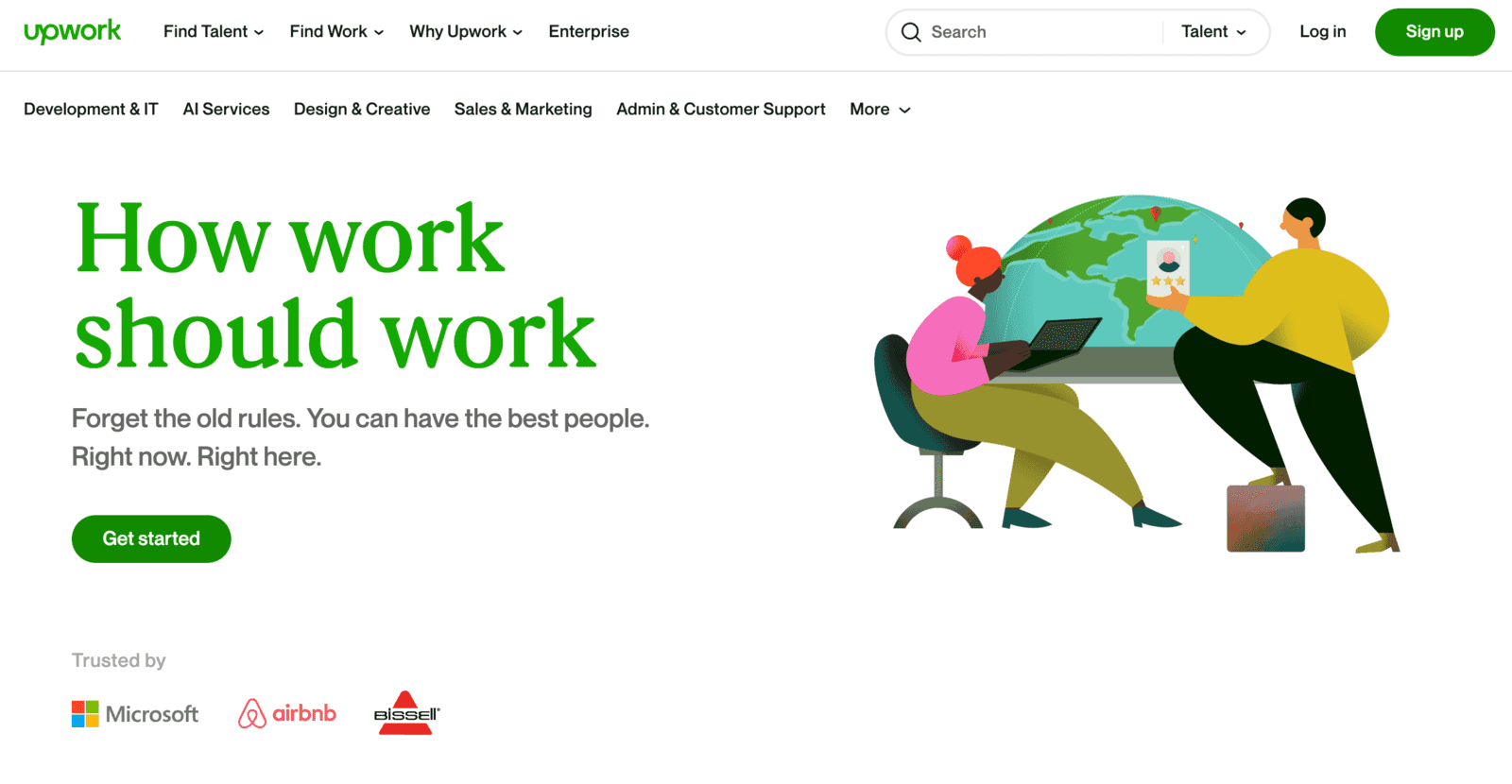
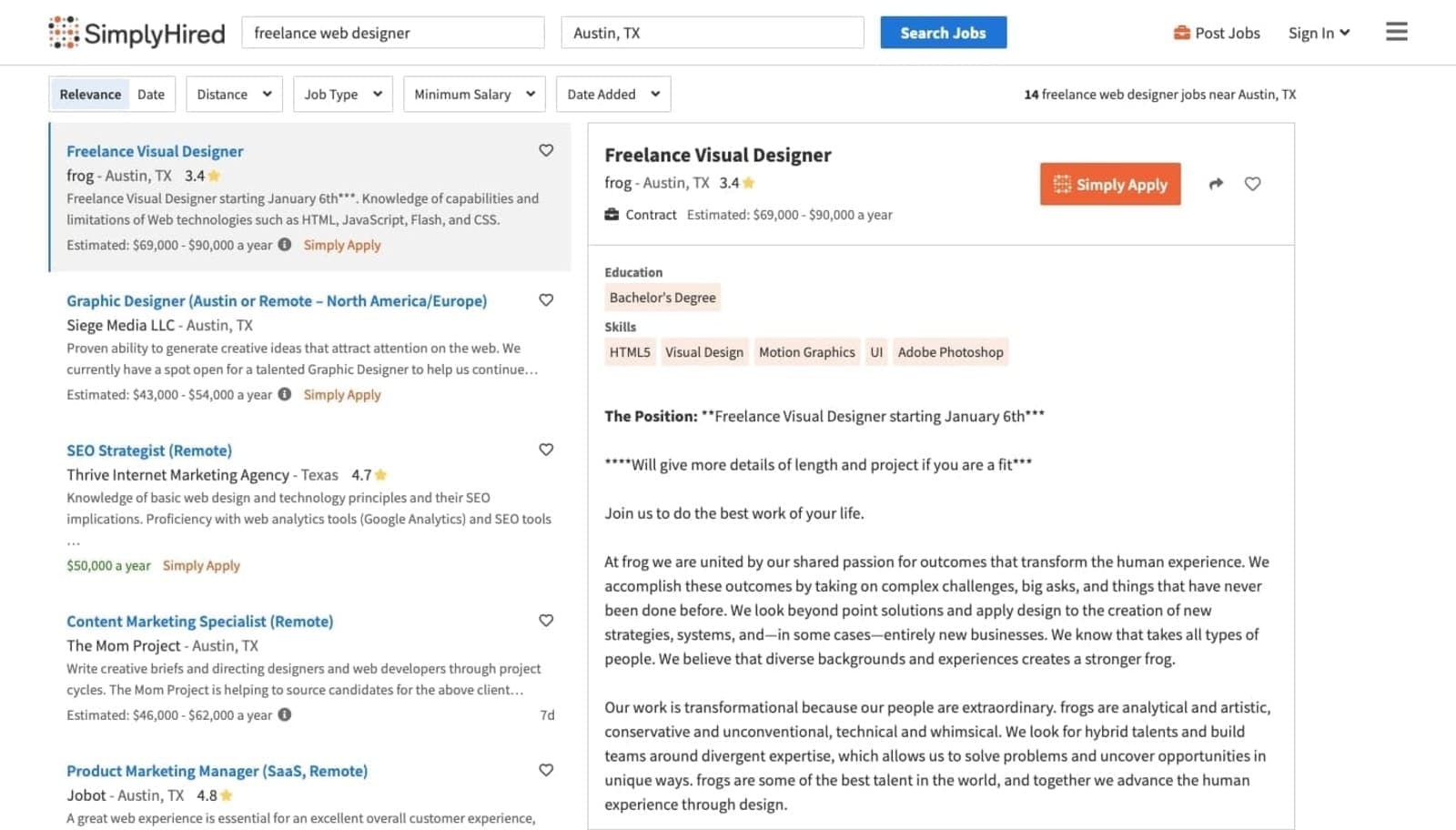
The landscape of freelance platforms by industry is more fractured—and more opportunity-rich—than it first appears. For creative freelance jobs, platforms like Fiverr offer immediate access to a global client base and excel at quick-turnaround work with transparent pricing and algorithmic matching (Upwork Resources, 2026). Designers and writers who thrive on variety and speed can build a robust portfolio here, though competition is intense and pricing can trend downward.
For developers, designers, and business consultants who operate at the top of their field, Toptal stands apart. Its rigorous five-step screening process accepts only the top 3% of applicants, positioning it as the go-to for elite talent seeking high-paying, high-visibility projects (Website Planet, 2026). The trade-off: entry is demanding, but the reward is access to clients who understand and pay for quality.
Upwork remains the broadest marketplace, straddling everything from tech freelance platforms to marketing, admin, and consulting. Its sheer scale means almost any skills-based freelance job can be found here, but differentiation is crucial. Those who bring a clear niche or a unique value proposition rise above the noise.
Should You Choose a Niche or Generalist Freelance Website?
The niche versus generalist debate is structural, not just strategic. Niche freelance sites—think platforms dedicated to video editors, animators, or legal consultants—tend to attract clients who know exactly what they need and are willing to pay for expertise. The downside: fewer projects, but often higher quality and less price pressure. Generalist sites, conversely, offer volume and exposure but demand sharper positioning and relentless self-promotion.
Industry trends point to an increasing segmentation of freelance platforms by industry. Creative, tech, marketing, and consulting roles are all finding dedicated digital marketplaces. For freelancers, this means more choice—but also more responsibility to choose wisely. A filmmaker or designer who understands their own value will weigh not just platform reputation, but client quality, fee structures, and the long-term trajectory of their niche.
Platform Recommendations by Freelancer Profile
If you’re building a diverse portfolio or testing new waters, start broad: Upwork and Fiverr are effective for volume and range. If you’re established, with a clear specialty and client expectations to match, platforms like Toptal or niche industry sites offer more strategic alignment. The best freelance websites for your skill are those that not only reflect your expertise but also respect your time and ambition. The smartest freelancers don’t just follow trends—they understand where their craft sits within the evolving marketplace and choose platforms that amplify, not dilute, their value

Platform Fees, Earnings, and the Real Cost of Freelancing Online
Freelance website fees are the silent partner in every transaction between creative talent and client. They shape the economics of the gig economy, dictating not just how much freelancers take home, but also which projects are worth pursuing and how careers are built on these digital platforms. Understanding these structures isn’t optional; it’s foundational for anyone serious about sustainable freelance work.
How Much Do Freelance Websites Really Cost?
Most freelance platforms operate on a commission model, taking a percentage cut from every payment. These platform commissions typically range from 5% to 20%, sometimes scaling down as you bill more with a single client, but rarely dropping low enough to ignore. Some sites add membership tiers, charging monthly fees for premium visibility or increased bidding limits. Others levy listing fees for each project or service posted.
What’s less visible, but equally impactful, are the indirect costs: time spent crafting proposals, platform-specific withdrawal fees, or the price of buying extra “connects” to bid on jobs. These fragments accumulate, quietly eroding freelancer earnings and shifting the true cost of freelancing online beyond the headline commission rate.
Comparing Commissions and Fees Across Top Platforms
Fee structures are not uniform. Some platforms position themselves as low-cost alternatives, but make up the difference with aggressive upselling of premium features. Others charge a flat rate per project, which can disproportionately penalize lower-value gigs. The commission model, while transparent, incentivizes freelancers to chase bigger contracts but can dissuade clients from awarding smaller, experimental briefs.
For senior marketers and creative leads, this landscape demands a critical eye. A platform with a lower commission may still cost more in the aggregate if it restricts the number of proposals you can send or nudges you toward paid upgrades to unlock basic functionalities. The real calculation is always total cost versus the quality and volume of work secured—something most platform commission comparison charts fail to capture in full.
Tips to Reduce Costs When Using Freelance Websites
Maximizing freelancer earnings requires a deliberate approach. First, understand each platform’s full fee structure before committing—read the fine print, not just the marketing copy. Consider where your skills best align with high-value projects that justify the commission. Avoid platforms that force you to pay for visibility or access unless the data shows a clear ROI.
Negotiate directly with repeat clients to move off-platform when permissible and ethical, or at least to higher-value, recurring contracts that dilute the impact of one-off fees. Track your time spent on unpaid activities: if proposal writing and platform navigation are eating into your margins, factor that into your rates. Ultimately, the cost of freelancing online is as much about strategic platform selection and workflow discipline as it is about headline fees.
The economics of freelance website fees are rarely as simple as they appear. For those who treat freelancing as a business, not a side hustle, interrogating these structures and optimizing around them isn’t just prudent—it’s essential to long-term profitability.

Standing Out: Building a Competitive Profile on Freelance Websites
Freelance profile optimization is not a box-ticking exercise. It’s a strategic act of positioning—one that separates the commodity worker from the in-demand creative. On crowded platforms, your profile is both your calling card and your pitch deck. Every detail signals your value, so every detail must be intentional.
How to Optimize Your Freelance Profile for More Gigs
Start with the headline and summary. These are not places for empty adjectives or generic titles. A headline like “Video Editor” blends into the noise. “Story-driven Video Editor for Brand Campaigns” is specific, audience-aware, and immediately relevant. Your summary should be equally direct: highlight your core strengths, the kinds of projects you want, and the results you deliver. Avoid bloated origin stories. Instead, connect your background to the client’s needs—demonstrate you understand both the craft and the business context.
Clarity beats cleverness. Show you can articulate value in a single glance. If your niche is editing fast-turnaround content for digital campaigns, say so. If you specialize in narrative-driven branded films, make it explicit. The best freelance profiles don’t just describe—they position.
Portfolio Strategies for Freelance Success
Building a freelance portfolio is not about volume. It’s about relevance and proof. Curate work that aligns with the projects you want to win. For each piece, contextualize the brief, your approach, and the outcome. Don’t just show a finished video—explain how your creative decisions solved a client’s problem or elevated their campaign. This isn’t theory; it’s evidence of impact.
For emerging freelancers or those pivoting specialties, create spec work or personal projects that demonstrate your capabilities. What matters is showing you can deliver at the level your target clients expect. Link to a deeper set of freelance portfolio tips for those ready to refine further.
The Importance of Reviews and Ratings on Freelance Sites
Reputation on freelance platforms is cumulative. Early on, every review carries disproportionate weight. Be proactive in requesting feedback after successful projects—ideally, right as you deliver. Make it easy for clients: prompt them with specifics about what you contributed. Over time, a pattern of positive testimonials builds trust faster than any self-description.
Don’t ignore less-than-perfect reviews. Respond with professionalism, acknowledge feedback, and outline how you’ve addressed any issues. This signals maturity and accountability—traits that senior clients value highly. A robust freelancer reputation is built on consistency and transparency, not perfection.
Winning Freelance Proposals: Personalization and Clarity
Every proposal is a test of your attention to detail. Avoid pasting generic copy. Reference the client’s brief directly, reflect their language, and demonstrate you’ve thought about their specific problem. Proposals should be concise, but never vague. Outline your approach, timeline, and the results you aim to achieve. If you have relevant work, link it directly—don’t expect clients to dig through your portfolio.
The goal is to make the client’s decision easy. A personalized, well-structured proposal signals you’re not just another applicant, but a collaborator invested in their outcome. For deeper guidance, explore our resource on optimizing your freelance profile.
In the end, standing out on freelance platforms is a craft in itself. It’s about precision, relevance, and an unwavering focus on the client’s perspective. Treat every element—headline, portfolio, reviews, proposals—as a lever for trust and differentiation. That’s the real work of freelance profile optimization.
Common Pitfalls and Misconceptions About the Best Freelance Websites
Top Misconceptions About Freelance Platforms
The mythology around “the best freelance websites” is persistent and, frankly, costly. A prevailing freelance website myth is that high-profile platforms—those with the biggest marketing budgets and loudest reputations—automatically offer superior opportunities. In practice, these sites often attract the most competition, which can dilute the value of individual talent and drive down rates. Visibility does not guarantee quality of work or client. It guarantees a crowded marketplace where differentiation is hard-won.
Another misconception about freelance platforms is that their branding and user interface reflect the underlying quality of clients or projects. Many freelancers mistake slick onboarding processes or curated project feeds for evidence of a platform’s strategic fit for their skills. The reality: a seamless app experience does not equate to a pipeline of serious, well-scoped work. The best fit is rarely found by chasing the shiniest platform.
Mistakes to Avoid When Choosing a Freelance Website
One of the most common freelance mistakes is failing to interrogate the platform’s fee structures and competitive landscape. Too often, freelancers sign up without understanding how commissions, withdrawal fees, or bidding systems erode their margins. The result: a race to the bottom, where even high-quality work is undervalued. Always read the fine print, and compare total cost of doing business across platforms—not just headline rates.
Another pitfall is relying on marketing claims rather than peer insight or direct research. Platforms promise global reach, premium clients, or “AI-matched” projects, but these claims are rarely substantiated in practice. The smart move is to seek out unvarnished feedback from practitioners who have actually worked on the platform, or to test with a low-stakes project before making any commitment.
Are Niche Freelance Sites Worth It?
The gravitational pull of the mainstream often leads freelancers to overlook niche or emerging platforms. This is a mistake. While these sites may have smaller pools of clients, they often offer more targeted opportunities, less competition, and a higher likelihood of working with clients who understand the value of specialized skills. For filmmakers, designers, or creative technologists, a niche platform can mean fewer generic briefs and more creatively aligned work.
It’s also worth noting that niche sites tend to foster tighter communities. This can accelerate trust-building and repeat business—factors that are often missing from the transactional churn of the mega-platforms. Don’t dismiss a platform just because it lacks the household name status; in practice, these lesser-known spaces can yield more sustainable, rewarding engagements.
Platform Pitfalls: Beyond the Obvious
The biggest mistake freelancers make is treating platform choice as a one-time decision. The landscape evolves quickly. A site that delivers today may stagnate tomorrow. Regularly auditing your platform mix, and being willing to pivot, is essential. The most successful freelancers are those who treat platforms as tools—not as career-defining identities.
In summary, the true pitfalls lie in buying the myth, not questioning the marketing, and failing to recognize the strategic value of overlooked spaces. The best freelance website for you is not the one everyone talks about—it’s the one that fits your goals, your craft, and your business model. For deeper guidance, see our freelance website FAQs and our analysis of mistakes freelancers make.
The Role of Community, Support, and Trust on Freelance Websites
How Freelance Website Communities Can Boost Your Career
The freelance website community is more than a digital waiting room for assignments. It’s a living ecosystem where careers are shaped by the quality of interactions, not just the volume of jobs posted. For freelancers, the presence—or absence—of an engaged community can dictate more than just morale; it shapes access to knowledge, opportunity, and professional growth. Peer forums, mentorship programs, and structured feedback loops move a platform beyond transactional matchmaking and into the realm of career development. Here, networking for freelancers becomes a daily practice, not an afterthought. The best communities foster a sense of shared investment, where success is collective and reputations are built collaboratively rather than competitively.
The practical impact is clear. Freelancers who participate in active communities report higher satisfaction and retention. They’re less likely to churn, more likely to refer others, and better equipped to navigate the inevitable uncertainties of project-based work. The reason is simple: when you’re embedded in a network that values shared learning and mutual support, you’re less isolated and more resilient. This is not theory; it’s observable in every thriving creative cluster, both online and off. The digital translation is no less potent.
The Importance of Support and Trust on Freelance Platforms
Platform support is not a mere helpdesk function. For freelancers, robust support channels—including dispute resolution, clear escalation paths, and transparent communication—are foundational to trust. When a platform responds quickly and fairly to issues, it signals respect for the freelancer’s time and labor. This is especially critical in an environment where power dynamics can skew in favor of clients. A credible support system levels the field, making freelancers more willing to invest in their platform presence and reputation.
Trust signals—such as verified profiles, secure payment systems, and transparent review mechanisms—are not window dressing. They are essential scaffolding for every transaction. Freelancers must trust that their work will be valued and compensated; clients must trust that talent is genuine and deadlines will be met. The platforms that invest in these mechanisms create a baseline of psychological safety, which in turn encourages risk-taking, innovation, and long-term engagement. Without these signals, even the most vibrant community can quickly devolve into suspicion and attrition.
Building Relationships Through Freelance Networks
Freelancer networking within a platform community is not just about job leads. It’s about building relationships that outlast individual gigs. Informal mentorship, peer recommendations, and collaborative projects all emerge from a foundation of trust and shared standards. The most successful freelance careers are rarely solitary. They are woven into networks where knowledge circulates freely and support is reciprocal. This is why platforms that prioritize community features see outsized long-term benefits: freelancers stick around, contribute expertise, and help raise the bar for everyone.
The lesson for platform builders—and for the freelancers who choose where to invest their time—is that community, support, and trust are not peripheral features. They are the infrastructure of sustainable freelance work. Strong freelance website communities don’t just enable transactions; they cultivate careers. For those who want more than a one-off gig, this is where the real value lies.

Future-Proofing Your Freelance Career: Emerging Trends in Freelance Platforms
The future of freelance websites is not a matter of incremental updates—it’s a wholesale rethinking of what creative, technical, and strategic work can look like outside the traditional agency or in-house model. The platforms shaping this future are not just digital noticeboards; they are becoming dynamic ecosystems, engineered for new demands and new power balances between talent and client. For senior marketers, founders, and creative leads, understanding these shifts is not optional. It’s foundational to staying ahead of the curve.
What’s Next for Freelance Websites?
Generalist marketplaces are ceding ground to emerging freelance platforms that are vertical-specific, talent-vetted, and increasingly AI-augmented. The days when a single profile and a handful of ratings could suffice are fading. Platforms are deploying advanced vetting—think technical assessments, portfolio reviews, even live project simulations—raising the bar for both entry and ongoing participation. For creatives, this means the platform itself becomes a credential, not just a middleman.
AI is no longer a buzzword; it’s infrastructure. From automated brief parsing to dynamic pricing recommendations, AI-driven platforms are reengineering how briefs are matched, how work is scoped, and how feedback loops are managed. This isn’t about replacing creative judgment—it’s about compressing the administrative drag, letting specialists focus on high-value craft and strategy.
New Trends Shaping the Freelance Marketplace
Transparency is moving from a nice-to-have to a baseline expectation. Emerging freelance platforms are foregrounding project histories, client ratings, and dispute resolution records. Blockchain’s arrival in the freelance marketplace is less about crypto speculation and more about smart contracts—automating payments, milestones, and IP transfer with auditability baked in. The result: trust is engineered into the system, not left to chance or anecdote.
Long-term client relationships are also being structurally incentivized. Platforms are recognizing that repeat engagements yield better outcomes for both sides. Expect to see more mechanisms that reward continuity—reduced fees for ongoing partnerships, shared dashboards, or even co-branded project spaces. This shift marks a break from the churn-and-burn model that defined early freelance sites. It’s a move toward building reputational capital, not just transactional volume.
How to Stay Competitive as Freelance Platforms Evolve
Freelancers who treat their platform presence as a living portfolio—regularly updating skills, curating work samples, and actively engaging with new vetting tools—will find themselves ahead. Passive profiles will increasingly be filtered out by algorithmic and human gatekeepers alike. Deep specialization, paired with visible proof of craft, is the new baseline.
Equally, adaptability remains non-negotiable. As automation and remote work evolution accelerate, freelancers must stay literate in emerging tech, from workflow automation tools to the basics of blockchain-enabled contracting. But technical literacy alone won’t future-proof a career. The most resilient freelancers will be those who build genuine client relationships, demonstrate reliability, and approach every brief as a chance to create lasting value—not just deliverables.
The future of freelance websites is being written now, not in some distant horizon. The platforms and freelancers who treat this as a living, evolving practice—grounded in transparency, specialization, and adaptability—will be the ones who define what comes next.
Conclusion
The landscape of freelance job boards is not static; it is a living system, recalibrating itself with every technological shift and market demand. For creative professionals and business leaders alike, the act of choosing a freelance platform is no longer a box-ticking exercise. It is a strategic decision that shapes both project outcomes and long-term career trajectories. Each platform carries its own set of evaluation criteria—some explicit, some embedded in the culture and workflows that govern how work gets done. The most successful freelancers and teams are those who understand this, reading between the lines of user interfaces, community standards, and payment models to find where their value will be recognized and rewarded.
Platform selection is not just about volume of opportunities or the promise of exposure. It is about alignment—between your core competencies and the types of briefs the platform attracts, between your working style and the platform’s operational logic, and between your ambitions and the future of freelance websites themselves. As the gig economy matures, platforms are differentiating: some lean into niche expertise, others into scale and speed, still others into creative curation. The right fit now may not be the right fit a year from now, and the platforms shaping the next wave of freelance trends will be those that anticipate—not just react to—how creative work is evolving.
For leaders and practitioners, the task is to move beyond surface-level comparisons. Evaluating freelance opportunities means interrogating not just what a platform offers, but what it demands in return: attention, fees, exclusivity, or community participation. The most resilient freelancers are those who treat platform selection as an ongoing process, regularly revisiting their choices as their skills, goals, and the platforms themselves evolve. This is not a passive process. It is a form of professional authorship, as critical as any creative decision made in the edit suite or boardroom.
In the end, the future of freelance websites will be written by those who engage with them deliberately—choosing, not drifting. Strategic platform selection is now foundational to creative success. The platforms you choose shape the work you do, the clients you attract, and the reputation you build. In a field defined by constant change, clarity and alignment remain your most valuable assets.
FAQs
What are the best freelance platforms in 2024?
The best freelance platforms in 2024 are those that have adapted to the changing needs of creative professionals. Upwork and Fiverr remain dominant due to their scale and breadth, but niche platforms like Working Not Working and Contra are gaining traction for creative industries, offering curated talent pools and less transactional engagement. Each serves a distinct segment of the market.
How do I find freelance work?
Finding freelance work requires a multi-pronged approach. Start by leveraging your existing network—referrals remain powerful. Simultaneously, maintain an active presence on reputable freelance platforms. Tailor your pitches to each opportunity, demonstrate relevant expertise, and keep your portfolio sharp. Persistence and strategic positioning matter more than scattershot applications.
What are the fees associated with freelance websites?
Freelance platforms typically charge service fees, either as a percentage of each project or via membership tiers. These fees can range from 5% to 20%, depending on the platform and your transaction volume. While these costs eat into earnings, they cover access to clients, dispute resolution, and payment security—factors that can justify the overhead for many freelancers.
How can I optimize my freelance profile?
Optimizing your freelance profile starts with clarity. Use a professional headshot, craft a concise summary that foregrounds your unique value, and showcase select work that aligns with your target clients. Avoid generic skill lists—focus on results and distinctive strengths. Testimonials and verified credentials can further differentiate you in a crowded field.
What are common misconceptions about freelance platforms?
One misconception is that platforms guarantee steady work—competition is intense, and success depends on active engagement. Another is that higher fees always mean better clients; in reality, value is determined by fit, not platform prestige. Many also underestimate the need for self-marketing and relationship-building beyond the platform itself.
How does community support affect freelance success?
Community features—forums, peer reviews, mentorship programs—can be decisive for freelancers. They offer not just technical help but also a sense of belonging and professional accountability. Platforms that foster genuine community tend to see higher retention and more sustainable freelancer growth, as isolation remains a risk in remote work.
What trends are shaping the future of freelance websites?
Freelance platforms are evolving toward specialization, with more vertical-specific sites emerging for creative, technical, and executive talent. There’s a shift toward project-based teams rather than solo gigs, and platform algorithms increasingly reward long-term relationships over one-off jobs. Transparency and ethical practices are also under scrutiny, pushing platforms to rethink their models.
.webp)
Creative Collaboration Platform: The Backbone of Modern Creative WorkWhat is a creative collaboration platform?Clapboard defines a creative collaboration platform as the operational core for today’s distributed creative teams. This is not a collection of digital collaboration tools stitched together; Clapboard’s system

Understanding the Creative Production MarketplaceWhat is a Creative Production Marketplace?Clapboard defines a creative production marketplace as a structured ecosystem where brands, agencies, and production talent converge to execute video, advertising, and branded content at scale. Unlike the legacy agency or freelanREAD FULL ARTICLE

The Urgent Need for a Creative Production Operating SystemWhy Traditional Creative Production Models Break DownClapboard sees the creative production landscape shifting under pressure. Content velocity is no longer a buzzword—it’s a mandate. Modern advertising demands relentless output across dozens of channels, each wREAD FULL ARTICLE
JOIN THE NEWSLETTER.
Content Production insights, videos, books, and freebies, delivered to your inbox weekly


LEAVE A COMMENT
Your email address will not be published.