



Varun Katyal | Founder, Clapboard
Varun Katyal is the Founder & CEO of Clapboard and a former Creative Director at Ogilvy, with 15+ years of experience across advertising, branded content, and film production. He built Clapboard after seeing firsthand that the industry’s traditional ways of sourcing talent, structuring teams, and delivering creative work were no longer built for the volume, velocity, and complexity of modern content. Clapboard is his answer — a video-first creative operating system that brings together a curated talent marketplace, managed production services, and an AI- and automation-powered layer into a single ecosystem for advertising, branded content, and film. It is designed for a market where brands need content at a scale, speed, and level of specialization that legacy agencies and generic freelance platforms were never built to deliver. The thinking, frameworks, and editorial perspective behind this blog are shaped by Varun’s experience across both the agency world and the emerging platform-led future of creative production. LinkedIn: https://www.linkedin.com/in/varun-katyal-clapboard/
Why Brands Are Investing in Micro-Influencer Marketing
Micro-influencer marketing has moved from experiment to essential for brands intent on driving real business outcomes. The shift isn’t about following a trend—it’s about hard-nosed commercial logic. Marketers are prioritizing micro-influencer partnerships because they deliver measurable brand engagement, cost efficiency, and a level of audience trust that’s increasingly rare in an over-saturated digital landscape.
Why Brands Choose Micro-Influencer Marketing Over Celebrity Endorsements
The economics are clear. Celebrity endorsements and top-tier influencer deals command high fees, but the returns are increasingly diluted. Audiences are savvy; they know when a post is transactional. Micro-influencers, by contrast, operate in tightly defined niches where their authority actually means something. Their followers aren’t passive viewers—they’re active participants, often making decisions based on the influencer’s genuine recommendations. This dynamic gives brands access to communities where conversion rates can outperform those of mass-reach campaigns. The result: more targeted spend, less wastage, and higher relevance per dollar.
Measuring ROI from Micro-Influencer Campaigns
Senior marketers are right to scrutinize influencer ROI. The micro-influencer model stands up to this scrutiny. Lower upfront costs mean brands can activate multiple micro-influencers for the price of one macro or celebrity partner, spreading risk and increasing the odds of campaign success. More importantly, micro-influencer partnerships consistently deliver above-average engagement rates—often 2–3x higher than those of larger influencers. This translates to more meaningful interactions, not just inflated reach metrics. For brands focused on influencer ROI measurement, the data increasingly supports a shift in budget allocation.
Building Authentic Brand Advocacy with Micro-Influencers
Authenticity isn’t a buzzword here—it’s a business asset. Micro-influencers tend to select partnerships that align with their own interests and values, making their advocacy credible. Their content is less likely to be perceived as “paid promotion” and more as a trusted recommendation, which directly impacts brand perception. This authenticity drives deeper brand engagement and can be the difference between a campaign that’s noticed and one that’s acted upon. For brands, this means the message lands with more impact and less skepticism.
Long-Term Influencer Partnerships and Customer Loyalty
Brands that view micro-influencer marketing as a transactional, one-off tactic are missing the bigger play. The real value comes from building long-term relationships. These partnerships foster sustained advocacy, enabling brands to become part of the influencer’s ongoing narrative—not just a fleeting mention. Over time, this approach compounds trust and drives loyalty, both with the influencer and their audience. The result isn’t just a spike in awareness, but a durable shift in perception and purchase intent.
In summary, brands are investing in micro-influencer marketing because it delivers what the boardroom cares about: efficiency, effectiveness, and credibility. The model is built for modern brand engagement strategies and rigorous influencer ROI measurement. As the market matures, expect micro-influencer partnerships to become the default for brands that care about results, not just reach.
Micro-Influencer Marketing Explained: Scope, Scale, and Modern Impact
Micro-influencer marketing is no longer a niche tactic—it’s a core lever in the contemporary influencer ecosystem. At its simplest, micro-influencer marketing leverages creators with roughly 10,000 to 100,000 followers. This isn’t about scale for its own sake. It’s about reach with relevance, engagement over empty impressions, and influence that translates into actual audience action. Brands that understand the distinction between influencer tiers aren’t chasing the biggest numbers—they’re pursuing the right kind of impact.
Defining Micro-Influencer Marketing in 2024
What is a micro-influencer? In 2024, the term refers to creators who sit above nano-influencers (typically below 10,000 followers) but well below the macro and mega tiers, where audiences stretch into the millions. Micro-influencers occupy the “sweet spot”: large enough to offer meaningful reach, but small enough to maintain a sense of credibility and direct connection with their followers. Their content is rarely overproduced. Their audience interaction is personal, visible, and—crucially—trusted.
Unlike the transactional model often seen with macro or celebrity influencers, micro-influencer marketing is built on sustained, authentic relationships. These creators are embedded in their communities, and their recommendations carry weight precisely because they aren’t perceived as mass-market mouthpieces. The economics are different, too. Budgets stretch further, and brands can activate multiple micro-influencers for the cost of a single macro post, multiplying touchpoints and diversifying risk.
The Role of Micro-Influencers in the Creator Economy
Micro-influencers have become the backbone of the modern creator economy. Their agility and niche expertise allow brands to penetrate fragmented audiences with precision. In a landscape saturated with content, micro-influencers cut through the noise by speaking directly to subcultures and interest clusters that bigger names often overlook or can’t credibly access.
This isn’t just theory—it’s reflected in campaign metrics. Engagement rates for micro-influencers consistently outperform those of larger accounts. Their audiences aren’t passive. They comment, share, and convert because the relationship feels reciprocal. For senior marketers, this means shifting from vanity metrics to performance indicators that actually move the needle: saves, shares, and purchase intent, not just likes or follower counts.
Micro-Influencer vs Macro-Influencer: Key Differences
The distinction between micro- and macro-influencers goes beyond follower numbers. Macro-influencers (100,000 to 1 million+) offer scale, but at the cost of intimacy and authenticity. Their content is often polished, but the audience knows it’s sponsored. Micro-influencers, by contrast, trade on credibility. Their recommendations are perceived as genuine, not transactional. This translates into higher trust and, ultimately, more effective influence.
For brands, the strategic calculus has changed. The old playbook—betting big on a single macro-influencer—now looks riskier and less efficient. Micro-influencer marketing enables targeted storytelling, localized campaigns, and iterative creative testing. It’s about building influence at the edges, not just broadcasting from the center.
The influencer ecosystem is evolving. Brands that prioritize micro-influencer partnerships aren’t just following a trend—they’re adapting to a market that values authenticity, nuanced reach, and measurable outcomes. In 2024, influence isn’t about who shouts the loudest. It’s about who gets heard—and who gets trusted—by the audiences that matter most.
Trade-Offs and Decision Points: When Micro-Influencer Marketing Makes Sense
When to Use Micro-Influencer Marketing for Your Brand
Micro-influencer marketing is not a universal solution. Its real value emerges when the campaign objective is engagement, not just reach. If your brand operates in a niche vertical or needs to drive authentic conversation, micro-influencers outperform macro-influencers by a wide margin. They deliver 3-4x higher engagement rates in niche markets, with nano-influencers posting up to 8.4% engagement and 4.5% conversion rates—figures macro-influencers rarely approach (Journal of Marketing Science Research (JMSR Online), 2024). For challenger brands, new product launches, or category disruptors, this focus on trust and dialogue can move the needle where mass awareness alone cannot.
Evaluating the Pros and Cons of Micro-Influencers
The upside is clear: higher engagement, lower cost, and greater perceived authenticity. Micro-influencer campaigns typically deliver 35% higher ROI than macro-influencer partnerships, with average partnership costs in the $500–2,500 range versus $10,000+ for larger names (Research and Metric, 2025). But there are trade-offs. Micro-influencers lack the scale to drive broad awareness in a single wave. Campaign orchestration is more complex—multiple relationships, variable creative standards, and the need for diligent vetting. If you’re aiming for rapid, national-level visibility, micro-influencer marketing alone won’t get you there. You’ll need to layer it with paid or owned media for scale.
Industry Niches Best Suited to Micro-Influencer Campaigns
Not every sector benefits equally. Micro-influencer marketing excels in industries where community and credibility matter—think wellness, beauty, specialty food and drink, eco-conscious fashion, and emerging tech. These are categories where peer recommendation drives purchase, and insider expertise is currency. In contrast, commoditised sectors or those selling mass-market, low-consideration products often see diminishing returns. The influencer campaign strategy should reflect this reality: invest in micro-influencers where their voice carries weight, not just where the CPM looks attractive.
Balancing Quantity Versus Quality in Influencer Partnerships
The temptation is to scale by volume: more influencers, more posts, more coverage. This dilutes impact fast. The most effective influencer marketing decisions are about fit, not just numbers. A handful of well-chosen micro-influencers, aligned with your campaign planning and brand values, will outperform a scattergun approach. Prioritise those with proven audience trust, creative discipline, and a track record of moving their community to action. You want influence, not just impressions.
In summary, micro-influencer marketing is a tactical lever, not a default. Use it where depth of engagement and credibility are non-negotiable, and be clear-eyed about its limitations. The decision is not about chasing the latest trend—it’s about matching the right tool to the right commercial objective.
Finding the Right Micro-Influencers: Tools, Tactics, and Vetting
How to Find Micro-Influencers That Fit Your Brand
Finding micro-influencers who drive business outcomes starts with clarity: audience, brand values, and campaign goals. Don’t get distracted by vanity metrics. Focus on creators whose content, tone, and engagement style align with your brand’s positioning and who genuinely reach your target demographic. Authenticity and contextual relevance outperform follower counts every time.
Start by mapping your audience’s interests and digital habitats. Look for creators who already speak to these communities. If your brand is niche or regional, hyper-local relevance matters more than global popularity. Build a working shortlist based on content quality, narrative fit, and observable audience interaction.
Using Discovery Tools for Micro-Influencer Selection
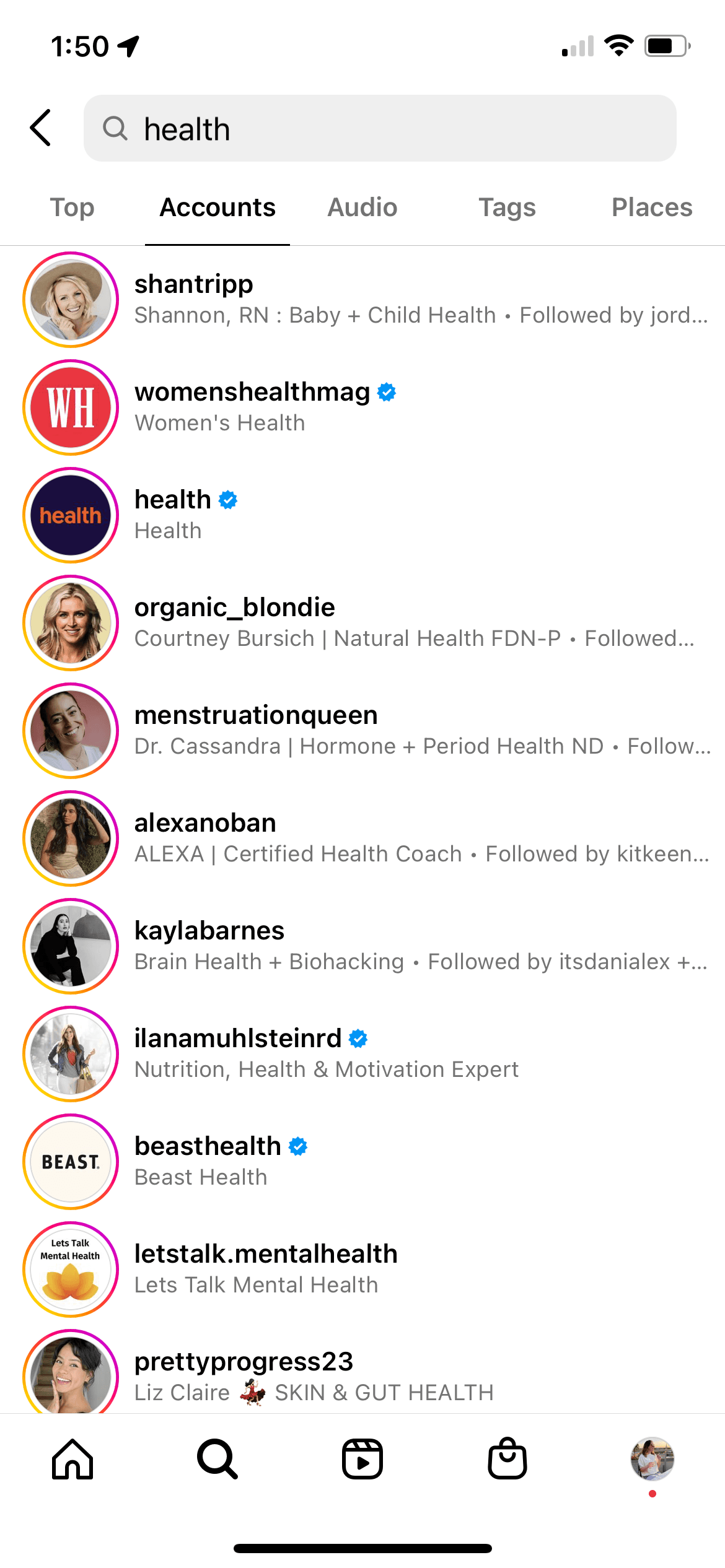
The influencer discovery process has matured. Automated platforms now surface candidates at scale, but not all tools are created equal. Modash, for example, offers access to over 350 million public profiles, using AI-driven search, lookalike discovery, and fake follower detection for accurate micro-influencer discovery (Boston Institute of Analytics, 2026). This scale is useful for rapid filtering, but it’s the quality of filters and analytics that separates signal from noise.
Manual research—trawling hashtags, competitor mentions, and community boards—remains valuable for nuanced categories or emerging markets. However, it’s labor-intensive and doesn’t scale. The most effective approach is hybrid: leverage discovery platforms for breadth, then apply human judgment for fit. Social listening tools like YouScan add another layer, revealing micro-influencers who are already discussing your brand or niche through mention tracking and competitor analysis (YouScan, 2026). These voices are often more credible and primed for authentic partnerships.
Vetting Micro-Influencers: What to Look For
Shortlisting is only the midpoint. Effective influencer vetting is non-negotiable. Start with audience demographics—age, geography, interests. Scrutinize engagement rates, but don’t stop at raw numbers. Look for genuine conversation in comments, not just emojis or one-word replies. Consistent, context-rich engagement signals real influence, not algorithmic inflation.
Brand safety is fundamental. Audit past content for alignment with your values and risk factors. Check for sudden spikes in followers or engagement—these can indicate purchased audiences. Use authenticity filters and fake follower detection where available. If you’re building a repeatable process, refer to an influencer vetting checklist to standardize evaluation criteria and avoid costly missteps.
Social Listening and Competitor Analysis in Influencer Discovery
Social listening isn’t just a monitoring function—it’s a competitive advantage in finding micro-influencers. By tracking brand mentions, product discussions, and competitor campaigns, you can surface creators who are already organically active in your space. These individuals often deliver higher trust and faster ramp-up in performance campaigns.
Competitor analysis also reveals which micro-influencers have worked with rival brands, how their audiences responded, and where there are gaps or saturation. This intelligence allows you to avoid overexposed creators and identify untapped talent. Layer this with data from influencer discovery platforms for a holistic selection process.
Optimising the Influencer Selection Process
Efficient influencer selection is a blend of technology, data, and practical judgment. Use platforms for scale and analytics, but never outsource final decisions to an algorithm. The most effective micro-influencer partnerships are built on strategic alignment, not just reach or engagement rates. Prioritise contextual fit, audience authenticity, and brand safety at every step. The result: campaigns that
Building Effective Micro-Influencer Partnerships: Briefs, Contracts, and Compensation
Crafting a Micro-Influencer Brief That Drives Results
Effective micro-influencer partnerships start with a brief that’s engineered for clarity and performance. Skip the mood boards and get straight to what matters: business objectives, target metrics, and non-negotiable brand requirements. Specify the campaign’s core message, required deliverables, usage rights, and timelines. Don’t just hand over a deck—define the problem you’re solving and the result you expect. A strong influencer brief is not a creative invitation; it’s a tactical playbook. It should anticipate questions, remove ambiguity, and set the tone for accountability. If you want consistency across markets or formats, codify it here. If you expect creative latitude, define the boundaries. This is the document that aligns expectations and sets the foundation for everything that follows.
Influencer Contract Essentials for Micro-Influencer Partnerships
Once the brief is locked, the influencer contract formalises the relationship. This isn’t about legalese for its own sake; it’s about risk management and mutual clarity. Every influencer contract should cover intellectual property rights, content approval processes, exclusivity terms, payment schedules, and termination clauses. Spell out deliverable timelines and metrics for success. If the campaign crosses borders, address local compliance and disclosure requirements. Contracts should also include mechanisms for dispute resolution and outline what happens if deliverables are missed or metrics aren’t met. The goal is to eliminate surprises and protect both sides. Don’t rely on handshake deals—structure is what turns a promising partnership into a repeatable, scalable engine for your brand.
Choosing the Right Compensation Model for Micro-Influencers
Compensation models for micro-influencer partnerships must match the campaign’s commercial reality and the influencer’s value. The flat fee model offers predictability and is best for tightly scoped, short-term work. Commission-based models align incentives with performance, ideal for direct response or affiliate-driven campaigns. Hybrid models—combining a base fee with performance bonuses—strike a balance between guaranteed output and upside for over-delivery. Product exchange still has its place, but only when the value is clear and the ask is proportionate to the reward. Be explicit about payment terms, invoicing processes, and what constitutes a completed deliverable. Transparency on compensation models builds trust and reduces friction, especially when scaling to multiple markets or running simultaneous campaigns.
Setting Expectations and Ensuring Compliance
Set expectations upfront—don’t wait for issues to surface mid-campaign. Define what success looks like, how reporting will work, and who signs off on content. Compliance isn’t optional. Ensure every influencer brief and contract includes clear guidelines for disclosures, platform-specific rules, and any sector-specific legal requirements. Regularly audit deliverables for adherence. Transparency, both in compensation and content, is non-negotiable for sustained credibility. The most effective micro-influencer partnerships are built on operational discipline, not just creative alignment. Structure, clarity, and mutual accountability are what separate scalable programs from one-off wins.
Creative Collaboration: Balancing Brand Guidelines with Influencer Freedom
Micro-influencer collaboration is most effective when it manages the tension between brand control and authentic creator expression. Senior marketers know the risks of either extreme: rigid enforcement of brand voice suffocates engagement, while unchecked creative freedom dilutes positioning. The commercial sweet spot is a system that enforces non-negotiables and leaves room for the influencer’s own voice. This is not theory—it’s how the most effective distributed campaigns sustain both consistency and impact.
Best Practices for Micro-Influencer Collaboration
Start with a clear articulation of brand voice alignment. Don’t hand over a 30-page brand book—distill your identity into a one-page brief. Specify the “must-haves” (product claims, legal requirements, tone) and the “nice-to-haves” (visual style, post cadence). Content guidelines should be a framework, not a script. The most successful collaborations result from guardrails, not roadblocks.
How to Balance Brand Guidelines and Influencer Creativity
Establish flexible content guidelines that outline boundaries but invite interpretation. For example, mandate that a product benefit is mentioned, but let the influencer choose the narrative form—story, demo, or reaction. This approach respects the influencer’s audience insight, which is often sharper than a distant brand manager’s assumptions. Review checkpoints—pre-shoot outlines, rough cuts, or caption drafts—create opportunities for feedback without stalling momentum. The goal is to catch misalignments early, not to rewrite every line.
Content Formats That Drive Engagement with Micro-Influencers
Short-form video, behind-the-scenes vlogs, and “day-in-the-life” integrations consistently outperform heavy-handed advertorials in micro-influencer campaigns. These formats allow for subtle brand voice alignment while foregrounding the influencer’s personality. Static posts and scripted testimonials are best reserved for when absolute message control is required, but they rarely drive the same engagement rates. Encourage formats that invite participation—polls, challenges, or Q&As—where the influencer’s community is part of the story.
Safeguarding Brand Integrity Without Micromanagement
Micromanagement is a tax on speed and morale. Instead, use staged review processes: initial creative pitch, mid-production check-in, and final sign-off. Set clear escalation paths for non-compliance, but default to trust. If you’ve vetted your micro-influencer partners properly, intrusive oversight is a sign of poor selection, not necessary risk mitigation. The best collaborations are iterative—feedback is specific, actionable, and delivered fast. This is the operational backbone of content collaboration best practices.
Ultimately, micro-influencer collaboration is a discipline in controlled flexibility. Brands that master the balance between content guidelines and creative freedom build campaigns that are both on-message and genuinely resonant. The future of distributed influence isn’t about tighter rules—it’s about smarter frameworks, sharper feedback, and respect for the unique value creators bring to the table.
Micro-Influencer Campaign Execution: Scheduling, Amplification, and Community Engagement
Effective micro-influencer campaign execution begins with operational discipline. The difference between a campaign that drives measurable outcomes and one that slips into the feed unnoticed is rarely the creative idea alone. It’s the rigor behind scheduling, amplification, and real-time community engagement that sets the pace for results. Senior marketers know this: the mechanics matter as much as the message.
How to Launch and Support a Micro-Influencer Campaign
Start with a campaign scheduling blueprint. Map the content calendar to key moments—product drops, seasonal spikes, or cultural touchpoints. Don’t default to the influencer’s usual posting rhythms; align publishing windows with your broader marketing mix for maximum impact. Use campaign scheduling tools to lock in dates, automate reminders, and keep every stakeholder—brand, influencer, agency—on the same page.
Support doesn’t end at content delivery. Brands should prime their own channels to react in real time: comments from official handles, strategic reshares, and companion content that extends the narrative. This isn’t about hijacking the influencer’s voice; it’s about creating a coordinated surge that signals relevance and authority to both audience and platform algorithms.
Amplifying Micro-Influencer Content Across Channels
Content amplification is not a passive process. Once influencer posts are live, activate paid support to extend reach beyond organic circles. Leverage whitelisting or allowlisting to run influencer content as targeted ads from the creator’s handle—this maintains authenticity while scaling impressions. Integrate influencer assets into your owned channels: website features, email campaigns, and even retail displays. Review your content amplification strategies to ensure you’re not just increasing views, but driving the right traffic and actions.
Cross-channel amplification also means activating internal advocates. Brief your sales teams, internal comms, and brand partners to share and engage with influencer content. This compounds reach and embeds the campaign into every relevant touchpoint.
Driving Community Engagement Through Influencer Campaigns
Community engagement is the lever that turns exposure into action. Don’t leave it to the influencer alone—brands must participate directly in the conversation. Monitor comments in real time, answer questions, and address objections with clarity and speed. Encourage the influencer to host live sessions, Q&As, or behind-the-scenes content that invites audience participation. This is where micro-influencer campaigns outperform macro plays: the audience expects and values direct interaction.
Track sentiment and engagement patterns as they develop. If a particular theme or question gains traction, adapt your companion content and influencer messaging to respond in the moment. Real-time optimization is not optional; it’s the expectation at this level of campaign execution.
Optimizing Micro-Influencer Campaigns in Real Time
Micro-influencer campaign execution is iterative. Use live dashboards to monitor reach, engagement rates, and conversion signals as the campaign unfolds. Flag underperforming assets quickly and reallocate spend or adjust messaging as needed. The most effective teams run post-mortems in parallel—gathering learnings from every touchpoint, not just after the campaign closes.
In the end, operational excellence is the multiplier for creative effectiveness. Senior leaders who treat campaign scheduling, content amplification, and community engagement as strategic levers—not afterthoughts—will consistently outperform in the micro-influencer space.
Measuring Micro-Influencer Marketing Success: KPIs, Attribution, and Optimization
Measuring micro-influencer marketing success is not a box-ticking exercise. It’s a commercial imperative. The right metrics expose what’s driving business outcomes, and what’s just noise. Senior marketers who rely on vanity metrics or generic influencer marketing KPIs are missing the point—and likely missing budget, too. This is about linking creative output to commercial impact, with zero room for guesswork.
Key Metrics to Track for Micro-Influencer Marketing
Start with metrics that reflect the objectives of your campaign. For awareness, reach and unique impressions matter—but only if they’re hitting the right audience. Engagement rate is a basic filter, but dig deeper: saves, shares, and meaningful comments beat likes every time. For conversion-driven campaigns, track click-through rates, attributable sign-ups, and cost per acquisition. Don’t ignore qualitative signals: sentiment analysis and brand lift studies reveal impact that raw numbers miss. The bottom line—pick influencer marketing KPIs that map directly to business outcomes, not just platform activity.
Attribution Models for Influencer Campaigns
Attribution is where most influencer strategies fall apart. Direct attribution—tracking users from influencer content to conversion—is clean but rare. More often, micro-influencers drive assisted conversions: they introduce or reinforce a message, nudging audiences down the funnel. Multi-touch attribution models recognize this layered effect, assigning value across the customer journey. Don’t default to last-click. Pair unique trackable links with post-campaign surveys and uplift analysis to build a more accurate picture. The right campaign attribution model doesn’t just prove ROI; it informs smarter investment next time.
How to Optimize Micro-Influencer Campaign Performance
Optimization starts with ruthless analysis. Use platform analytics, first-party data, and influencer campaign analytics to identify what’s working—by creator, content type, and audience segment. Don’t just look at the numbers; gather direct feedback from influencers and their followers. What resonated? What fell flat? Feed these insights into creative briefs and targeting for future rounds. Test variables—messaging, format, posting times—and scale only what delivers. Marketing optimization is a continuous loop, not a one-off review. The most effective teams treat every campaign as a live experiment, adjusting in real time, not just post-mortem.
Building a Measurement-First Culture
Ultimately, measuring micro-influencer marketing success is about discipline. It demands clear KPIs, robust attribution, and a commitment to optimization. Anything less is just content for content’s sake. The teams that win are those who treat measurement as non-negotiable—from pitch to post-mortem, and every campaign cycle in between.
Debunking Common Myths About Micro-Influencer Marketing
Top Myths About Micro-Influencer Marketing Debunked
Micro-influencer marketing myths persist because the industry still clings to outdated assumptions about scale, spend, and audience reach. The first misconception: micro-influencer marketing is only for small brands with limited budgets. This is categorically false. Major players—across tech, CPG, and finance—are deploying micro-influencer strategies to infiltrate niche communities and drive targeted engagement. The logic is simple: relevance trumps raw reach. When a micro-influencer speaks, their audience listens with intent, not just passive exposure.
The second myth is that bigger means better. Many still believe macro-influencers or celebrities guarantee superior results because of their follower counts. In reality, inflated audiences often mean diluted trust and lower engagement rates. Micro-influencers, by contrast, command attention within tightly defined circles. Their recommendations land because they are perceived as credible, not transactional. That’s an advantage that can’t be bought with scale alone.
The Truth Behind Micro-Influencer Campaign Results
Another persistent influencer misconception is that micro-influencers can’t drive measurable sales or real business outcomes. This is a holdover from the era when influencer marketing was seen as a soft awareness play. Today, attribution models are more sophisticated, and brands are tracking everything from referral traffic to conversion lift. Micro-influencers, when properly briefed and integrated into the funnel, can outperform their macro counterparts on cost-per-acquisition and return on investment. The data is clear: smaller audiences, when highly engaged, deliver outsized impact.
ROI isn’t just a function of impressions—it’s about influence that moves the needle. Micro-influencers’ audiences are often more likely to take action, whether that’s clicking through, signing up, or purchasing. This is especially true in verticals where authenticity and peer recommendation drive consideration. The smart money is no longer betting on flash, but on fit and follow-through.
Micro-Influencer Marketing: Facts vs Fiction
Fact: micro-influencer marketing is not a budget tactic or a compromise. It’s a deliberate strategy chosen by brands—big and small—that understand the economics of attention. It’s about depth, not just breadth. The mythbusting reality is this: micro-influencers are increasingly favored by large brands looking to build trust, foster loyalty, and drive measurable results in fragmented markets. They offer access to audiences that are unreachable through traditional media or mainstream influencer tiers.
It’s time to move beyond the influencer marketing myths that equate follower count with effectiveness. Senior marketers who want results are prioritizing relevance, credibility, and the ability to activate real-world behavior. The facts are clear: micro-influencer marketing delivers when it’s done with precision, not just scale. That’s not theory—it’s market reality.
Conclusion
Micro-influencer marketing has shifted from niche experiment to a foundational lever in the contemporary brand playbook. Its rise is not a fluke or a passing phase. It’s rooted in the commercial reality that audiences are increasingly resistant to mass-market messaging and more responsive to voices they trust. For brands, this means that influencer partnerships with micro-creators are no longer a tactical afterthought — they are a strategic necessity for relevance and reach.
The value of micro-influencers isn’t in follower counts or surface-level reach. It’s in the depth of brand engagement they unlock. Audiences know when a creator is genuinely invested in what they’re sharing, and that authenticity is the currency that converts attention into action. The most effective campaigns leverage this dynamic, aligning creative direction with the influencer’s native style rather than imposing a rigid brand script. This isn’t about relinquishing control; it’s about engineering resonance. The result: content that outperforms on trust, engagement, and memorability, not just impressions.
However, effectiveness in this space is not guaranteed by participation alone. Strategic planning is non-negotiable. Brands that treat influencer marketing as a checklist item — without a clear campaign strategy framework or robust influencer discovery platform — will miss the mark. Every partnership must be underpinned by clear objectives, precise audience targeting, and a commitment to measuring ROI beyond vanity metrics. The discipline lies in interrogating what success looks like before a campaign launches, then holding every activation accountable to those standards. This is where mature brands differentiate themselves: in the ability to connect creative ambition with commercial outcomes, and to do so at scale.
In summary, micro-influencer marketing is a discipline that rewards rigor, not just creativity. Its true value emerges when brands take authenticity seriously, build influencer partnerships on mutual trust, and apply sharp measurement to every campaign. As the landscape evolves, the brands that win will be those that treat micro-influencer strategy as both an art and a commercial science.
FAQs
What is micro-influencer marketing?
Micro-influencer marketing leverages individuals with audiences typically ranging from 10,000 to 100,000 followers. These creators sit below the celebrity tier but command niche credibility and high audience trust. The approach prioritizes authenticity and targeted reach over mass exposure, making it a tactical choice for brands seeking meaningful engagement rather than vanity metrics.
How do I find micro-influencers for my brand?
Discovery requires precision. Start by mapping your target audience’s digital habitats—platforms, interests, and content formats. Use advanced search filters on social platforms and professional influencer databases. Scrutinize engagement quality, not just follower counts. Vet for brand fit and past collaborations. Manual research beats automated lists for relevance and reliability.
What are the benefits of partnering with micro-influencers?
Micro-influencers deliver higher engagement rates and deeper audience trust. Their smaller communities foster real conversations, not just impressions. Cost-efficiency is a major advantage: you can activate multiple micro-influencers for the price of one macro name, diversifying risk and increasing campaign adaptability across markets or segments.
How can I measure the success of my micro-influencer campaigns?
Track beyond surface metrics. Prioritize engagement rate, click-throughs, and conversions tied to unique links or codes. Assess qualitative signals: sentiment, comment quality, and share of voice lift. For commercial impact, integrate campaign tracking with sales data. Effective measurement aligns influencer output with your core business KPIs, not just social metrics.
What are common misconceptions about micro-influencer marketing?
Many assume micro-influencers lack reach or commercial impact. In reality, their value lies in influence density and trust, not scale. Another myth: they’re always cheaper or easier to manage. Quality micro-influencers know their worth and expect professional terms. Finally, micro doesn’t mean micro-results—when executed well, impact can punch above weight.
How do I create a micro-influencer marketing strategy?
Begin with clear objectives and audience definition. Identify relevant micro-influencers who align with your brand ethos and campaign goals. Set performance benchmarks and establish transparent briefs. Prioritize creative freedom within guardrails. Build for iteration—test, measure, and refine. Treat influencers as partners, not media placements, for sustained results.
What compensation models are used in micro-influencer partnerships?
Compensation structures vary: flat fees per post, product seeding, affiliate commissions, or performance-based incentives. The model should match campaign complexity and expected deliverables. Hybrid models—mixing fixed fees with outcome bonuses—are increasingly common. Transparent negotiation and clear deliverable definitions underpin effective, scalable partnerships in this space.
.webp)
Creative Collaboration Platform: The Backbone of Modern Creative WorkWhat is a creative collaboration platform?Clapboard defines a creative collaboration platform as the operational core for today’s distributed creative teams. This is not a collection of digital collaboration tools stitched together; Clapboard’s system

Understanding the Creative Production MarketplaceWhat is a Creative Production Marketplace?Clapboard defines a creative production marketplace as a structured ecosystem where brands, agencies, and production talent converge to execute video, advertising, and branded content at scale. Unlike the legacy agency or freelanREAD FULL ARTICLE

The Urgent Need for a Creative Production Operating SystemWhy Traditional Creative Production Models Break DownClapboard sees the creative production landscape shifting under pressure. Content velocity is no longer a buzzword—it’s a mandate. Modern advertising demands relentless output across dozens of channels, each wREAD FULL ARTICLE

JOIN THE NEWSLETTER.
Content Production insights, videos, books, and freebies, delivered to your inbox weekly


LEAVE A COMMENT
Your email address will not be published.