



Varun Katyal | Founder, Clapboard
Varun Katyal is the Founder & CEO of Clapboard and a former Creative Director at Ogilvy, with 15+ years of experience across advertising, branded content, and film production. He built Clapboard after seeing firsthand that the industry’s traditional ways of sourcing talent, structuring teams, and delivering creative work were no longer built for the volume, velocity, and complexity of modern content. Clapboard is his answer — a video-first creative operating system that brings together a curated talent marketplace, managed production services, and an AI- and automation-powered layer into a single ecosystem for advertising, branded content, and film. It is designed for a market where brands need content at a scale, speed, and level of specialization that legacy agencies and generic freelance platforms were never built to deliver. The thinking, frameworks, and editorial perspective behind this blog are shaped by Varun’s experience across both the agency world and the emerging platform-led future of creative production. LinkedIn: https://www.linkedin.com/in/varun-katyal-clapboard/
Anatomy of an Effective Brand Mission Statement
The brand mission statement is not a decorative plaque for the office wall. It’s the operational backbone of brand strategy—defining why a business exists, what it commits to, and how it intends to deliver. Senior marketers know that clarity and conciseness aren’t just aesthetic choices; they’re the difference between a statement that drives action and one that dies in a deck. A strong brand mission statement cuts through noise, aligns teams, and signals intent to the market.
Key components of a successful brand mission statement
Every effective brand mission statement rests on three core components: purpose, objectives, and service approach. The purpose is the brand’s reason for being—its answer to “why do we exist?” Objectives set the direction, translating purpose into tangible ambitions. The service approach details how the brand delivers on its promise, distinguishing its method from competitors. These elements of mission statements aren’t theoretical; they’re the practical scaffolding for decision-making and resource allocation.
Clarity is non-negotiable. If a mission statement can’t be recited without hesitation, it’s too complex. Stripped of jargon, it should be direct, specific, and memorable. This clarity is what makes a mission statement actionable across markets and teams, especially when campaigns span geographies and languages. Conciseness isn’t about brevity for its own sake—it’s about focus. Every word must earn its place, sharpening the brand’s intent and eliminating ambiguity.
How to write a concise mission statement
Start with ruthless editing. Remove filler, qualifiers, and vague ambition. The best mission statement components are those that survive this process: a clear articulation of purpose, a defined objective, and a unique approach to delivery. Avoid crowd-pleasing platitudes. Instead, articulate a brand purpose that is distinctly yours—grounded in the realities of your market, but aspirational enough to inspire. If a phrase could apply to any other brand, cut it.
Memorability is the test. If your team can’t recall the mission statement without prompting, it’s not working. Test it in real-world scenarios—does it clarify priorities in a pitch? Does it guide creative decisions? If not, iterate. Link your statement to your broader brand messaging framework for consistency across touchpoints.
Action-oriented language in mission statements
Passive language is the enemy of effective mission statements. Action-oriented language signals intent and mobilises teams. Use active verbs that reflect what the brand does, not just what it hopes to be. “We empower,” “We deliver,” “We challenge”—these verbs drive momentum and make the mission operational. This approach transforms the mission statement from a static descriptor into a tool for execution and measurement.
Positioning is embedded in the words you choose. An effective brand mission statement articulates unique value, not generic aspiration. It should be clear how the brand’s approach is different and why it matters. This is where the balance between aspiration and practical focus comes into play. Ambition is necessary, but it must be tethered to a credible promise—one that can be delivered through the brand’s operational reality and creative output.
The anatomy of a brand mission statement is not a theoretical exercise. It’s a discipline that, when done right, aligns teams, sharpens positioning, and accelerates effective execution. For those building or refining their elements of brand identity, this is the standard to meet—and exceed.
Why Every Brand Needs a Mission Statement
What is a brand mission statement and why is it essential?
A brand mission statement isn’t a plaque for the lobby. It’s a hard-edged articulation of why the business exists, what it commits to, and where it’s going. For senior marketers and founders, the importance of mission statements is strategic, not ceremonial. In a market where differentiation is razor-thin, a clear business mission statement is the line in the sand—defining what you do, why it matters, and how you’ll outlast the noise.
Purpose-driven branding isn’t about sentiment; it’s about precision. Your mission statement is the first checkpoint for every creative brief, media investment, and product decision. It forces clarity. It gives teams a north star that outlasts leadership changes and market pivots. Brands that lack a real mission default to tactical drift—chasing trends, diluting their message, and ultimately losing relevance.
The impact of mission statements on company culture
Internally, a brand mission statement is the single most effective lever for alignment. It sets expectations for how people show up, what gets prioritized, and what is non-negotiable. When teams understand the mission, they execute with intent, not inertia. This is more than HR wallpaper. A strong mission statement is a filter for hiring, a rationale for resource allocation, and a rallying cry when the inevitable setbacks hit.
The absence of a mission leaves a vacuum. Teams fill it with personal agendas or the latest executive whim. That’s when culture fractures and productivity stalls. The mission statement, when embedded into daily operations, becomes a self-reinforcing loop: clarity drives focus, focus drives results, results reinforce belief.
How mission statements drive business growth
Externally, a business mission statement is a competitive weapon. In crowded categories, it tells the market exactly what you stand for—and, crucially, who you’re not. This sharpens positioning and attracts customers who buy into your purpose, not just your product. Mission-led brands command loyalty that outlasts price wars and fads.
Long-term brand success is rarely accidental. The most resilient brands—regardless of size or sector—anchor their evolution in a mission that adapts but never drifts. Investors, partners, and customers all calibrate their trust based on your clarity of purpose. In a world of infinite choice, a distinct mission statement is the fastest way to cut through and stay memorable.
Debunking the myths: Mission statements aren’t optional
The biggest misconception is that only legacy brands or consumer giants need a mission. In reality, the earlier and sharper the mission, the faster a company can scale with coherence. Startups without a mission burn cash chasing every opportunity. Enterprises without one lose their edge to hungrier, more focused challengers. A mission statement isn’t a nice-to-have—it’s the foundation of sustainable, purpose-driven branding and the first step in any serious approach to defining brand purpose or mastering business branding essentials.
Brand Mission Statement vs. Brand Vision Statement: Understanding the Difference
Mission statement vs vision statement: What’s the real difference?
The brand mission statement vs vision statement debate is less about semantics and more about strategic clarity. A mission statement is rooted in the present: it defines what the business does, who it serves, and how it delivers value right now. This isn’t abstract. It’s operational, action-oriented, and measurable—think of it as the daily playbook. In contrast, the vision statement is the future destination. It’s aspirational, setting a long-term horizon that guides ambition and innovation. The mission answers today’s “how” and “for whom”; the vision answers tomorrow’s “where” and “why” (Don’t Panic London, 2024).
How to align your mission and vision for brand success
Effective brands don’t choose between mission and vision—they leverage both as complementary levers. The mission statement grounds the organisation, providing a filter for decision-making and a blueprint for daily operations. It’s the tool that keeps teams focused on what matters now and ensures that every action ladders up to something bigger. Meanwhile, the vision statement acts as the north star. It’s not about quarterly targets; it’s about the legacy the brand aims to leave. The difference between mission and vision is not just time horizon, but function: mission drives execution, vision inspires direction.
When both are aligned, you get more than coherence—you get velocity. The mission statement keeps teams accountable to current objectives, while the vision statement ensures those objectives are in service of a larger ambition. This alignment is essential for strategic brand planning, especially in high-growth or multi-market environments where dilution of focus is a constant risk.
Examples of effective mission and vision statements
Consider two hypothetical examples. A global streaming platform’s mission might be: “Deliver diverse, high-quality content to audiences everywhere, every day.” It’s specific, current, and actionable. The corresponding vision could be: “To redefine how the world experiences storytelling.” The mission is a daily operational guide; the vision is a rallying cry for innovation and growth.
In practice, the best mission statements are concise and unambiguous, answering what the brand does, for whom, and how—serving as the foundational blueprint for daily operations (Branding by Garden, 2024). Vision statements, meanwhile, are succinct yet expansive, painting a picture of the future that galvanises stakeholders. Both are strategic brand statements, but their utility is maximised only when each is clearly defined and rigorously maintained.
Why brands need both for holistic direction
Omitting either statement is a strategic oversight. The mission statement provides present-tense clarity and operational discipline. The vision statement supplies future-facing energy and purpose. Without a mission, brands drift in execution. Without a vision, they stagnate in ambition. Senior marketers and creative leaders recognise that sustainable brand growth depends on the dynamic interplay of both statements. When used properly, they inform everything from brand vision development to campaign messaging and stakeholder alignment.
The takeaway is straightforward: in the brand mission statement vs vision statement conversation, it’s not about choosing one over the other. It’s about understanding their distinct roles and ensuring they work in tandem—because that’s where strategic advantage lives.

The Strategic Impact of a Brand Mission Statement on Decision-Making
The strategic impact of a brand mission statement is not theoretical—it’s operational. In high-stakes environments, where resources are finite and competitive pressure is relentless, a well-crafted mission statement becomes the filter for every major business choice. This isn’t about platitudes on a wall. It’s about a tool that cuts through noise and aligns teams, budgets, and ambitions behind a single, non-negotiable direction.
How mission statements influence brand strategy
Brand strategy alignment is only real if it’s anchored to a mission that’s both explicit and actionable. The mission statement acts as a strategic compass, guiding decisions from product development to market expansion and campaign execution (Soda Spoon, 2024). When the mission is clear, decisions are faster and more consistent. Leaders don’t waste cycles debating whether a new product fits the brand—they check it against the mission. If it doesn’t align, it doesn’t ship. This discipline is what separates brands that drift from those that drive category change.
Aligning business decisions with your mission
Mission-driven decision making is about operationalising intent. It means using the mission as a litmus test for every investment, partnership, and hire. In practice, this shows up in product roadmaps that prioritise features aligned with purpose, marketing that rejects off-brand messaging, and hiring that selects for values as much as skills. The result is coherence—across touchpoints, markets, and teams. This coherence isn’t just aesthetic; it’s commercial. It reduces wasted spend, eliminates internal friction, and accelerates execution.
Without a clear mission, business decisions become reactive. Teams chase short-term wins that dilute brand equity. Resource allocation drifts toward the loudest voice or the latest trend, not the long-term vision. This leads to fragmentation—confused customers, disengaged employees, and partners who hesitate to commit.
The role of mission statements in stakeholder engagement
Stakeholder engagement starts with clarity. Investors, partners, and talent are drawn to brands with a clear, credible purpose. A mission statement that’s lived, not just stated, signals seriousness and focus. It gives external stakeholders a reason to believe the business will endure and matter. Internally, it drives retention and performance. Recent research shows that purpose-driven companies experience 40% higher workforce retention and outperform the market by 42% (Soda Spoon (citing Deloitte), 2024). That’s not sentiment—it’s a commercial advantage.
The mission also sets the tone for stakeholder communications. Every message—whether to investors, customers, or employees—should reinforce the core purpose. This consistency builds trust. When stakeholders see decisions that might seem costly in the short term (for example, turning down a lucrative but off-mission partnership), they read it as proof of integrity. That’s the kind of brand alignment that compounds over time.
Risks of decision-making without a clear mission
The absence of a strong mission statement creates a vacuum. Decision-making becomes tactical, not strategic. Teams are forced to interpret intent on the fly, leading to misalignment and inefficiency. The business becomes vulnerable to drift—chasing trends, fragmenting its offer, and eroding its value proposition. Even the best creative or operational talent can’t compensate for a lack of direction. In the long run, brands without a clear mission lose their edge, their culture, and their market relevance.
For senior leaders, the mandate is clear: treat the mission statement as the first and last word in decision-making. It’s not a slogan. It’s the operating system for brand strategy, stakeholder engagement, and sustainable growth.
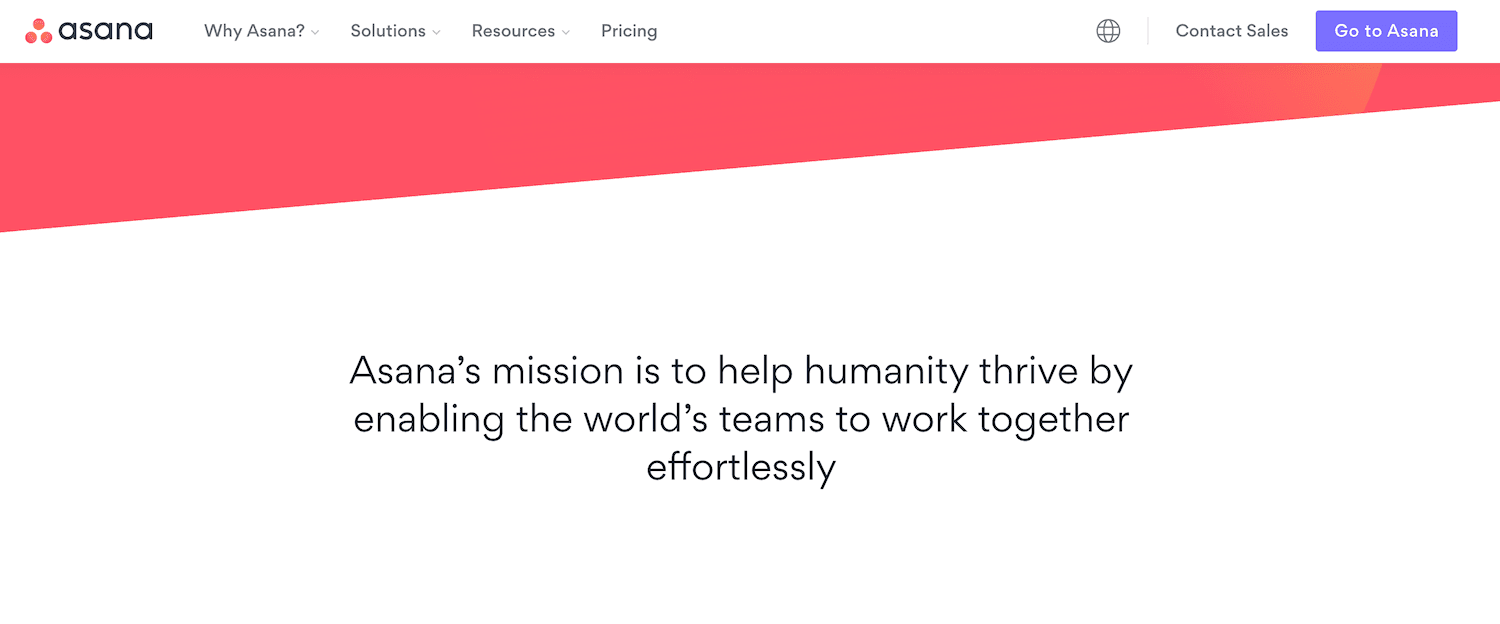
Evolving Your Brand Mission Statement as Your Business Grows
Updating your brand mission statement isn’t a ceremonial exercise — it’s a strategic necessity. As your business scales, enters new markets, or pivots its offering, a static mission statement can quickly become a liability. The most effective organizations treat their mission as a living asset, not a museum piece. Senior marketers and founders need to recognize when evolution is overdue and execute it with intent, not inertia.
When and how to update your brand mission statement
There are clear signals it’s time to revisit your mission statement. If your business has expanded into new markets with different cultural contexts, acquired or merged with another company, or shifted its core offering, your original mission will likely fall short. Likewise, internal changes — new leadership, evolving brand values, or a significant shift in company culture — demand a fresh articulation of purpose.
The “how” is not about wordsmithing in isolation. Start with a structured review: audit your current mission against your business reality, assess competitor positioning, and gather honest feedback from internal teams. If your mission feels generic, disconnected, or irrelevant to daily operations, it’s time to move.
Balancing consistency and flexibility in mission statements
Mission statement evolution is about balance. Consistency provides the thread that ties your brand together across touchpoints and time. But rigidity is fatal in a changing landscape. The goal is to retain the core of your brand purpose while adapting language and emphasis to reflect new priorities.
Too many brands swing between extremes: either clinging to outdated messaging or rewriting their mission at every strategic offsite. The answer lies in defining the non-negotiables — the beliefs and ambitions that remain true regardless of market conditions — and allowing for tactical adaptation around them. This is the difference between adapting brand purpose and simply chasing trends.
Communicating mission statement changes to your audience
Revising brand messaging isn’t just an internal memo. Once your mission statement has evolved, it needs to be communicated with clarity and conviction — both internally and externally. Start with your internal teams. If your people can’t articulate or believe in the new mission, no amount of external messaging will land.
Bring stakeholders into the process early. Workshop the new direction with leadership, frontline staff, and trusted partners. This isn’t about consensus for its own sake; it’s about pressure-testing your new mission and ensuring it has the buy-in required for real-world traction.
Externally, roll out the updated mission across all brand touchpoints: website, investor decks, recruitment materials, and campaign messaging. Don’t bury the change in fine print. Use the update as a moment to reinforce your evolving brand values and signal your direction to the market. Link the narrative to tangible actions — new initiatives, partnerships, or product launches — to demonstrate that the evolution is more than cosmetic.
Steps for reviewing and revising your mission statement
- Audit your current mission against your business reality and future ambitions.
- Identify the non-negotiable elements of your brand purpose.
- Engage internal teams for feedback and alignment.
- Draft, stress-test, and refine the updated mission statement.
- Plan and execute a coordinated communication strategy, both internally and externally.
Updating your brand mission statement is not a box-ticking exercise. It’s a high-leverage move that, done well, strengthens alignment, sharpens messaging, and future-proofs your brand as it grows. Treat it with the commercial discipline and creative clarity it deserves.

Aligning Brand Mission with Consumer Values for Authenticity
Brand mission statement authenticity is not a tagline exercise. It’s the litmus test for whether a brand’s purpose is felt, not just heard. In the current market, consumers are more attuned to the gap between what brands claim and what they deliver. Authentic branding hinges on whether your mission reflects the values and priorities of your audience—because that’s what drives trust and, ultimately, loyalty.
How to ensure your brand mission statement is authentic
Start with uncomfortable honesty. Scrutinise your mission for platitudes and empty promises. If your statement could fit any competitor, it’s not authentic. Instead, root your mission in the lived realities of your customers. This means going beyond demographic insights and tapping into the beliefs and motivations that shape their decisions. Authenticity is a product of specificity—what does your brand stand for that others don’t? If the answer isn’t clear, neither is your mission.
Building consumer trust through values-driven branding
Consumer trust is earned when a brand’s actions and communications consistently reflect its stated values. Values-driven brands don’t just publish a mission; they operationalise it. This is where most brands falter. The mission statement can’t live in a brand book—it must be the filter for campaign approvals, product development, and even crisis response. When customers see a direct line between what you say and what you do, perception of authenticity is reinforced. This is the foundation of building brand trust.
Integrating mission statement into customer experience
Embedding your mission into the customer experience is the acid test for authenticity. Every touchpoint—from product design to post-purchase support—should echo the brand’s purpose. This isn’t about surface-level gestures. It’s about making the mission tangible: policies that reflect your values, content that demonstrates your stance, and service that prioritises what your audience cares about. The most successful brands don’t just talk about their mission—they make it unavoidable for anyone interacting with them. This is how aligning brand with audience becomes more than theory.
The risks of perceived inauthenticity
There’s no faster way to erode consumer trust than to be caught posturing. When a brand’s mission is disconnected from its actions, audiences notice—and they don’t forgive easily. Inauthenticity isn’t just a PR risk; it’s a commercial liability. Customers today have options, and they’re quick to move on from brands that fail to live their values. The antidote is consistency: mission, message, and experience must align, or the brand pays the price in relevance and revenue.
Authentic branding is not a one-off campaign or a quarterly initiative. It’s a continuous commitment to aligning your brand mission statement with the evolving values of your audience. The brands that win are those that treat authenticity as a business imperative, not a marketing tactic.
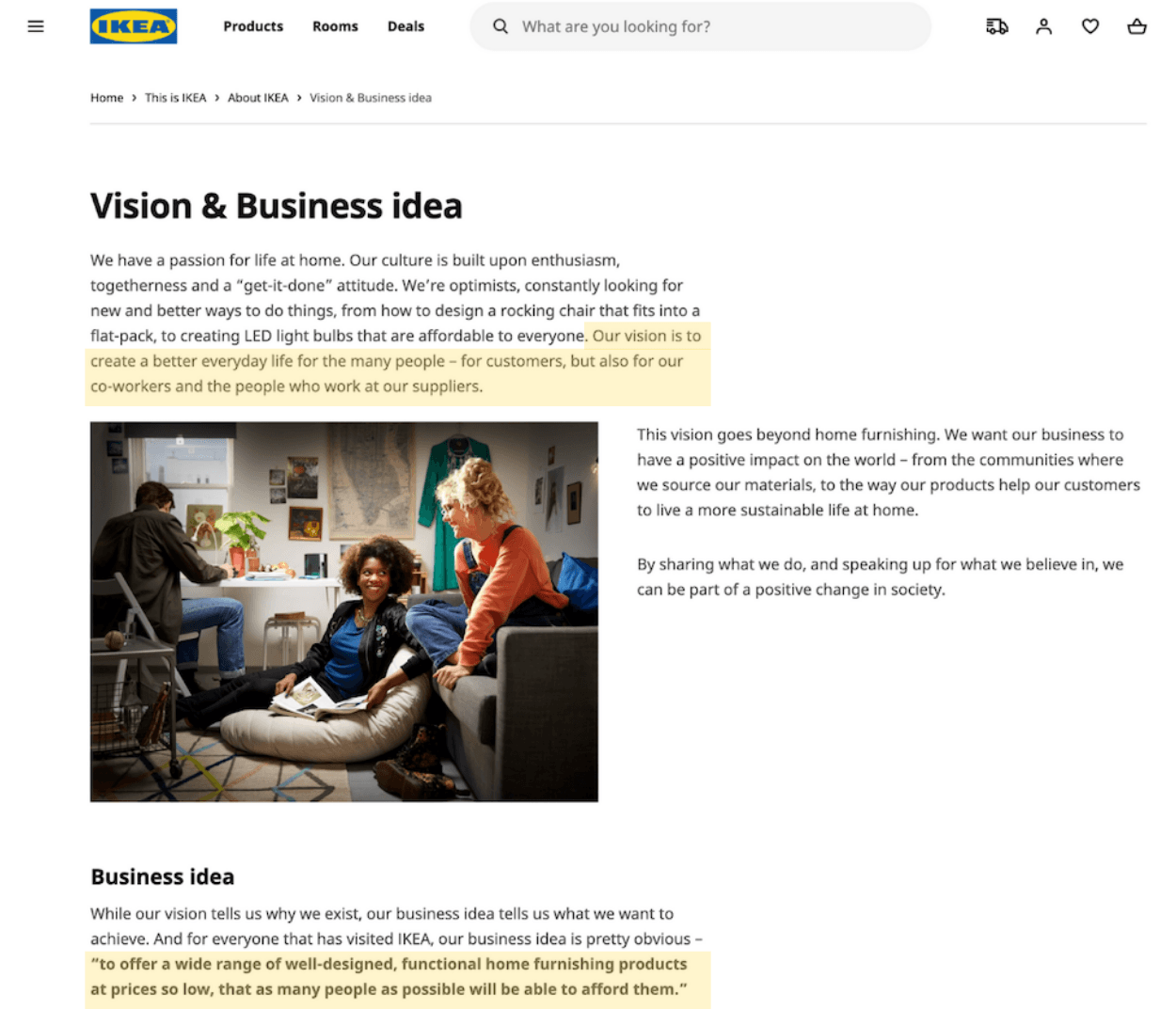
Common Pitfalls and Misconceptions in Crafting a Brand Mission Statement
Top mistakes to avoid in your brand mission statement
Brand mission statement mistakes aren’t trivial—they’re expensive. The most common error is settling for generic or vague language. “Empowering people to achieve more” could be anyone, anywhere. If your mission statement could sit on a competitor’s website without raising eyebrows, it’s failed its first test: differentiation. The language must be unmistakably yours, rooted in what your business actually does and the impact it aims to have. This isn’t about poetry; it’s about precision.
Another mission crafting error is the lack of actionable focus. Too many brands treat the mission as a lofty aspiration, divorced from day-to-day reality. An effective mission statement must be specific enough to guide decisions, not just inspire sentiment. If a frontline team member can’t use it to make a call under pressure, it’s not actionable. Specificity here is commercial leverage.
Why some mission statements fail to resonate
Ineffective mission statements often ignore the market context and stakeholder input. Brands sometimes craft missions in a vacuum, led by founders or agencies without meaningful feedback from employees, partners, or even customers. The result is a statement that feels imposed, not lived. This disconnect erodes trust internally and credibility externally. If you want your mission to resonate, it must reflect real stakeholder priorities and market realities.
Another pitfall is failing to differentiate from competitors. Many businesses default to industry clichés—“innovation,” “excellence,” “customer-centricity”—without interrogating what those words mean in their specific context. If your mission statement could be swapped with a rival’s and no one notices, you’ve missed the opportunity to carve out a distinct position. Differentiation is not optional; it’s the only way a mission statement has strategic value.
How to keep your mission statement relevant
Mission drift is a silent killer. As markets shift and leadership changes, the mission statement can become a relic—either ignored or, worse, actively misleading. Brands that avoid this trap treat their mission as a living tool. They revisit it regularly, pressure-testing its relevance against new data, stakeholder feedback, and evolving objectives. When a mission statement is left static, it risks becoming a monument to a past that no longer fits the business.
To avoid these mission statement pitfalls, brands must build in mechanisms for regular review and honest critique. This isn’t box-ticking; it’s about protecting clarity and alignment as the business grows. The most effective mission statements are those that evolve with intent, not by accident.
Sharpening your mission: the commercial imperative
Ultimately, the cost of ineffective mission statements is more than missed inspiration—it’s lost alignment, wasted resources, and diluted market presence. Avoiding branding mistakes starts with clarity at the mission level. When the mission is specific, actionable, and differentiated, it becomes a commercial asset, not a decorative plaque. That’s the standard senior marketers and creative leaders should demand.
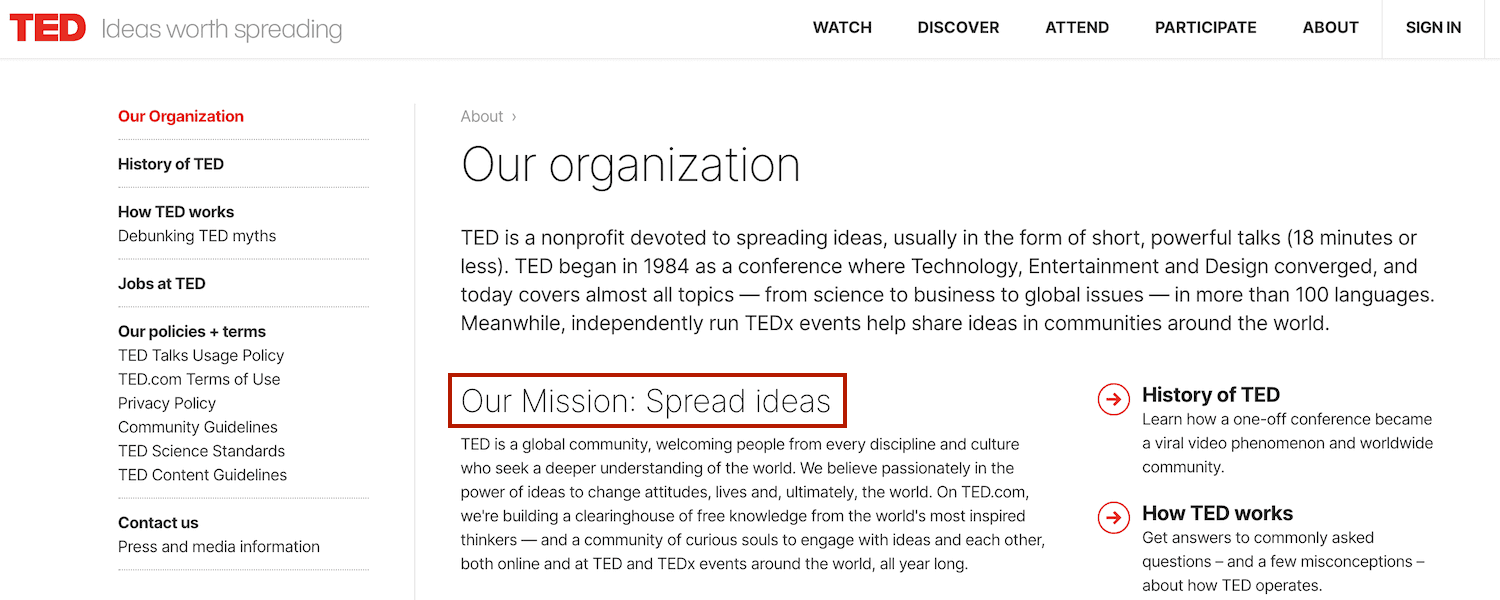
Best Practices for Writing a Memorable Brand Mission Statement
Writing a brand mission statement isn’t a box-ticking exercise. It’s the strategic foundation that shapes how your business is perceived, internally and externally. Get it right, and you have a north star for every decision, campaign, and creative brief. Get it wrong, and you’re just another voice in the noise. Here’s how to approach it with the discipline and rigor it deserves.
Steps to writing an effective brand mission statement
Start with a focused workshop—no more than six voices in the room. The goal isn’t wordsmithing, it’s surfacing the real drivers of your business: who you serve, what you deliver, and why it matters. Capture raw answers to these questions without editing. Next, distill these into concise statements. Strip out any language that could apply to a competitor. Test for clarity: if someone outside your industry can’t explain it back to you, it’s not clear enough. Finally, pressure-test for truth. If your team can’t see themselves in it, start again.
Tips for making your mission statement memorable
Memorable brand messaging isn’t about clever phrasing. It’s about precision and resonance. Use active language. Avoid jargon and generic claims—“innovation,” “excellence,” and “passion” are filler words that mean nothing to your audience. Anchor your mission in a clear, tangible outcome. Brevity is your ally: one sentence, no commas if possible. Inspiration matters, but only if it’s grounded in the reality of what you deliver. If it sounds like it could hang in any boardroom, it’s not distinctive enough.
Incorporating brand values into your mission statement
Brand values aren’t a separate exercise—they’re the backbone of crafting effective mission statements. Identify the two or three principles that genuinely drive your business decisions. Weave them in without listing them. For example, if transparency is a core value, let it shape the tone and intent of your statement rather than naming it outright. Authenticity is non-negotiable: a mission statement built on borrowed values will collapse under scrutiny.
Iterating and refining: feedback as a filter
No first draft survives contact with reality. Once you have a working version, test it with stakeholders who aren’t in the inner circle—frontline staff, trusted clients, even critical friends. Listen for confusion or skepticism. Every round of feedback is a filter, stripping away what’s unclear or unconvincing. If you’re not willing to revise, you’re not serious about impact. Use feedback loops to move from plausible to powerful.
Drawing inspiration without imitation
Benchmarking is smart; copying is lazy. Study memorable mission statements outside your sector for structure and tone, but never lift language or frameworks wholesale. The best mission statement tips come from understanding why something works, not just how it reads. Your mission must be unmistakably yours—rooted in your business model, culture, and ambitions. If your mission statement could be swapped with a competitor’s, you haven’t pushed hard enough.
The discipline of writing a brand mission statement is about clarity, brevity, and brutal honesty. Use these best practices to craft a statement that endures—and cuts through, every time. For more on brand storytelling techniques and mission statement templates, explore our deeper dives.
Integrating Your Brand Mission Statement Across All Touchpoints
Integrating your brand mission statement isn’t a box-ticking exercise; it’s the strategic backbone that shapes every brand touchpoint. For senior marketers and creative leaders, the challenge isn’t crafting the mission—it’s operationalising it. The mission must inform decisions, shape culture, and drive the customer experience. This is the difference between a slogan on the wall and a brand that’s truly mission-driven.
How to integrate your brand mission statement across all channels
Consistency is non-negotiable. Your mission statement should surface in every customer-facing and internal channel, from campaign creative to onboarding decks. Start with a clear articulation: reduce the mission to actionable principles, not abstract ideals. Then, audit every touchpoint—web, social, retail, support—and identify where the mission is diluted or absent. Align your brand communication strategy and creative briefs to reinforce the mission in language, tone, and visual cues. The goal: a customer should sense the mission, even if they never read the statement itself.
Training teams on your brand mission
Mission-driven marketing fails if internal teams treat the mission as background noise. Embed the mission into internal brand training—not as a slide in orientation, but as a living framework for decision-making. Equip managers to translate the mission into team objectives and KPIs. Use real-world scenarios, not hypotheticals, to show how the mission shapes choices in sales, service, and creative. Incentivise teams to spot mission drift and reward those who reinforce consistent brand messaging in their work.
Measuring the impact of a unified brand mission
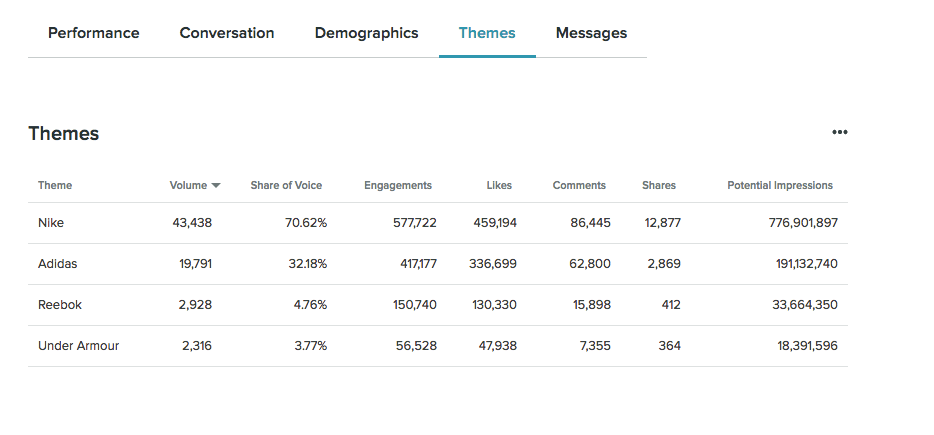
Mission alignment is measurable. Track internal adoption through pulse surveys and culture audits—do employees reference the mission in their language and decisions? Externally, monitor whether customers echo mission themes in feedback and social mentions. Layer in business metrics: does mission-driven integration correlate with higher NPS, retention, or campaign effectiveness? Establish a feedback loop between frontline teams and leadership to refine how the mission is lived and perceived across touchpoints.
Overcoming challenges in mission alignment
Common pitfalls include mission statements that are too vague, misaligned incentives, or siloed departments diluting the message. The solution: ruthless clarity and cross-functional ownership. If the mission doesn’t translate into daily actions, rework it until it does. Break down silos by making mission alignment a shared metric across departments. Address resistance head-on—often it signals where the mission lacks relevance or clarity. Make the mission a filter for hiring, partnerships, and even product decisions. When friction emerges, treat it as a pressure test for the mission’s strength and adaptability.
Integrating your brand mission statement across all brand touchpoints isn’t a one-off initiative. It’s a continual process of alignment, measurement, and recalibration. When done right, it transforms the mission from rhetoric to competitive advantage—felt by every employee, recognised by every customer, and reflected in every result.

Conclusion
A brand mission statement is not a box to tick. It is the strategic anchor that keeps business priorities, creative direction, and internal culture aligned—especially when the market shifts or growth accelerates. Senior leaders who treat the mission as a living tool, rather than a static slogan, create the conditions for clarity and focus at every level of the organization.
Mission-driven branding is not about lofty language; it’s about operational discipline. An effective mission statement defines the business’s core intent, sets the tone for decision-making, and signals to the market what the brand stands for—without ambiguity. When the mission is clear, teams move faster, creative output sharpens, and resource allocation becomes more efficient. The mission statement is the lens through which every major investment, campaign, and partnership should be evaluated.
Brand success is rarely accidental. Organizations that integrate their mission into daily operations see stronger team cohesion, more consistent external messaging, and greater resilience in the face of change. This is not theory—this is observed practice in high-performing brands. The mission statement becomes the connective tissue between vision and execution, ensuring that brand purpose is not just defined, but delivered.
Ongoing evaluation is non-negotiable. Markets evolve, competitive landscapes shift, and internal culture matures. Revisiting the brand mission statement should be a routine part of strategic planning—never a one-off exercise. For leaders, this means embedding mission review into the brand messaging framework and using it as a filter to avoid branding mistakes. The brands that win are those who treat their mission statement as a dynamic asset—one that drives both commercial outcomes and cultural coherence.

FAQs
What is a brand mission statement and why is it essential?
A brand mission statement is a concise declaration of a company’s core purpose and guiding principles. It defines why the business exists beyond profit. This clarity is essential because it anchors every strategic decision, drives consistent messaging, and sets the standard for how the brand operates internally and externally.
How do mission statements impact company culture?
A clear mission statement shapes company culture by aligning teams around shared values and objectives. It acts as a north star for behavior and decision-making, reducing ambiguity and internal friction. When embedded properly, it creates unity and accountability, making it easier to attract and retain talent that fits the brand’s ethos.
What are the key components of a successful brand mission statement?
An effective mission statement is specific, actionable, and memorable. It should articulate the brand’s core purpose, the value it delivers, and the audience it serves. Avoid generic claims. The best statements are grounded in real business ambition and reflect a distinct point of view that can guide both strategy and execution.
How do I update my brand mission statement?
Revisit your mission statement when your business model, market, or audience shifts significantly. Involve senior leadership and frontline teams to ensure relevance and buy-in. Keep the revision process focused—strip out jargon, stress-test for clarity, and ensure the updated statement still aligns with your long-term objectives.
Why is authenticity important in a brand mission statement?
Authenticity is non-negotiable. Consumers and employees can spot empty rhetoric instantly. A mission statement that reflects genuine intent builds trust, credibility, and loyalty. If your mission doesn’t mirror how you operate or what you deliver, it becomes a liability—damaging reputation and undermining internal morale.
What are common mistakes to avoid in crafting a brand mission statement?
Common errors include using vague language, overpromising, or copying industry clichés. Many brands fall into the trap of making their mission too broad or aspirational without substance. Another mistake: letting committee consensus dilute clarity and edge. A mission statement should be sharp, not safe.
What best practices should I follow for writing a memorable brand mission statement?
Start with brutal clarity about your purpose and audience. Use direct, active language. Stress-test your statement—if it could apply to any competitor, it’s not distinctive enough. Involve diverse stakeholders for perspective, but retain editorial control. Finally, revisit regularly to ensure ongoing relevance as your business evolves.
.webp)
Creative Collaboration Platform: The Backbone of Modern Creative WorkWhat is a creative collaboration platform?Clapboard defines a creative collaboration platform as the operational core for today’s distributed creative teams. This is not a collection of digital collaboration tools stitched together; Clapboard’s system

Understanding the Creative Production MarketplaceWhat is a Creative Production Marketplace?Clapboard defines a creative production marketplace as a structured ecosystem where brands, agencies, and production talent converge to execute video, advertising, and branded content at scale. Unlike the legacy agency or freelanREAD FULL ARTICLE

The Urgent Need for a Creative Production Operating SystemWhy Traditional Creative Production Models Break DownClapboard sees the creative production landscape shifting under pressure. Content velocity is no longer a buzzword—it’s a mandate. Modern advertising demands relentless output across dozens of channels, each wREAD FULL ARTICLE
JOIN THE NEWSLETTER.
Content Production insights, videos, books, and freebies, delivered to your inbox weekly


LEAVE A COMMENT
Your email address will not be published.