


Varun Katyal | Founder, Clapboard
Varun Katyal is the Founder & CEO of Clapboard and a former Creative Director at Ogilvy, with 15+ years of experience across advertising, branded content, and film production. He built Clapboard after seeing firsthand that the industry’s traditional ways of sourcing talent, structuring teams, and delivering creative work were no longer built for the volume, velocity, and complexity of modern content. Clapboard is his answer — a video-first creative operating system that brings together a curated talent marketplace, managed production services, and an AI- and automation-powered layer into a single ecosystem for advertising, branded content, and film. It is designed for a market where brands need content at a scale, speed, and level of specialization that legacy agencies and generic freelance platforms were never built to deliver. The thinking, frameworks, and editorial perspective behind this blog are shaped by Varun’s experience across both the agency world and the emerging platform-led future of creative production. LinkedIn: https://www.linkedin.com/in/varun-katyal-clapboard/
Core Elements of a Branding Kit for Startups
Essential components of a branding kit for startups
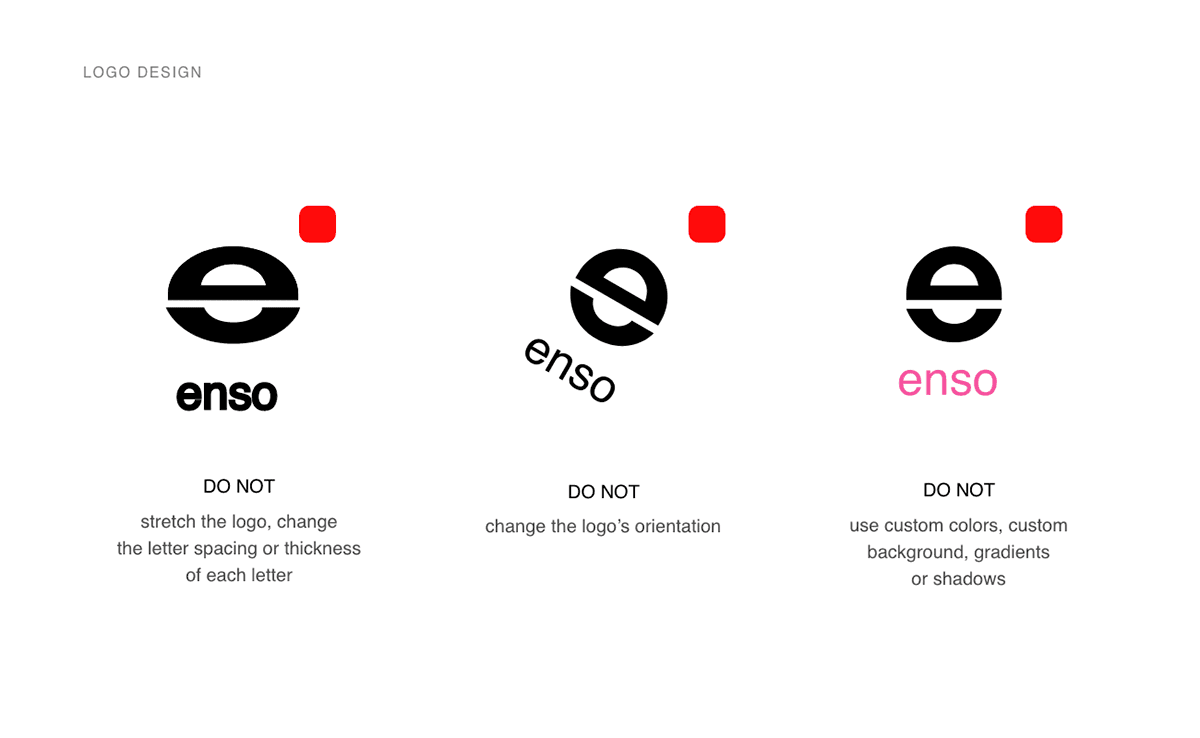
A branding kit for startups isn’t a design starter pack—it’s a strategic arsenal. The foundation is a set of logos: primary, secondary, and favicon. Each serves a distinct purpose. The primary logo anchors your visual identity, the secondary adapts to different formats, and the favicon is your digital thumbprint. Overlook any, and you invite inconsistency across touchpoints.
Color palettes demand precision. Define both primary and secondary colors, with exact codes for digital and print. This isn’t about picking what “looks good”—it’s about ensuring recognizability and avoiding costly misprints or off-brand web experiences. Your palette is a control mechanism, not a mood board.
How to choose brand colors and fonts
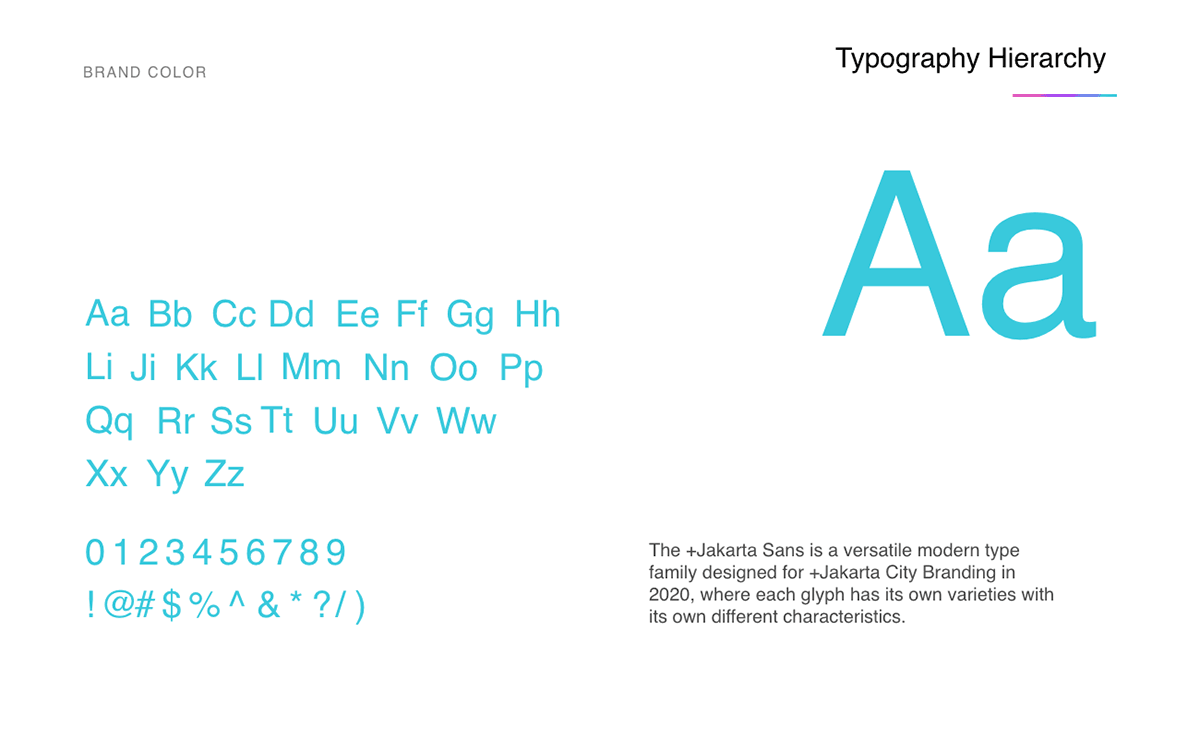
Typography is next. Select fonts for headlines, body, and accents, then lock down usage rules. Don’t default to trends—choose fonts that scale across platforms and remain legible in every context. Pairing is critical: a mismatch weakens perception and damages recall. Document these choices, down to weights and line spacing, in your brand asset checklist.
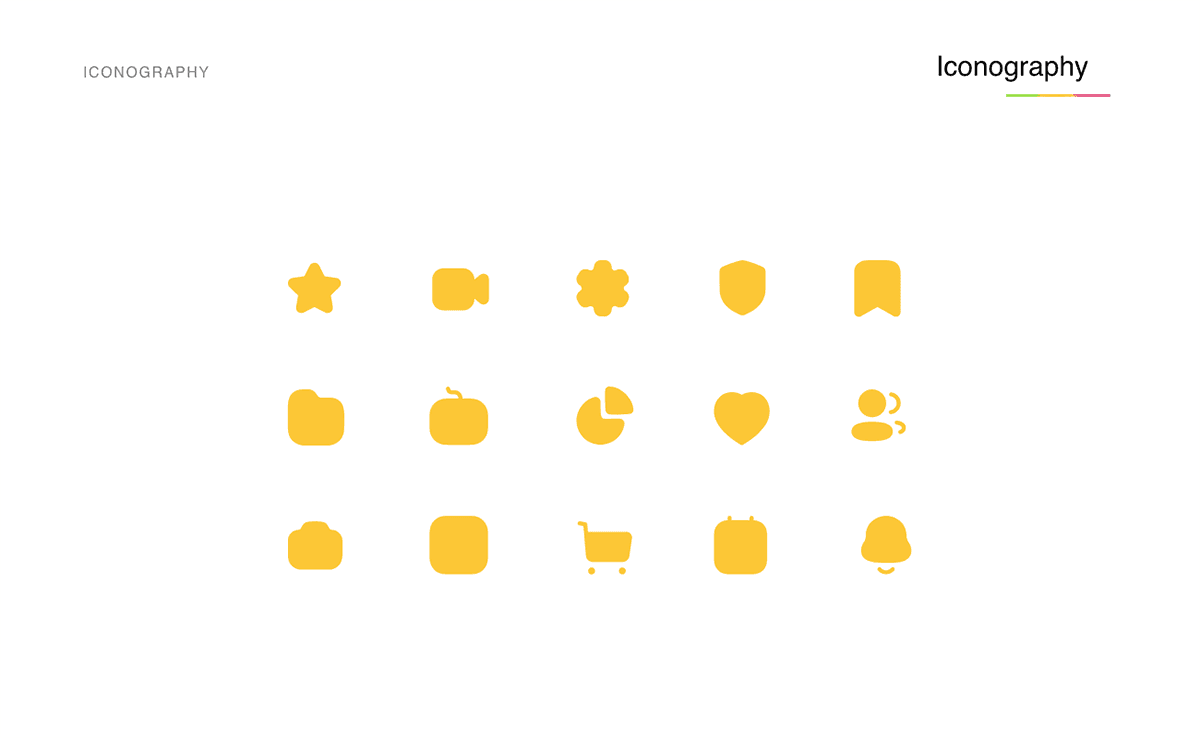
Iconography often gets treated as an afterthought. Wrong move. Decide early between custom icons and high-quality generic sets. Whichever you choose, style and consistency are non-negotiable. Icons are navigational cues and brand signals rolled into one.
Setting image and messaging guidelines for startups
Image guidelines go beyond resolution specs. Clarify the style, subject matter, and required licensing for all visuals. This prevents legal headaches and keeps your brand’s visual tone sharp, not scattered. Messaging is the final pillar: taglines, value proposition, and tone of voice. These aren’t just words—they’re your market-facing DNA. Document how to express your brand’s promise, not just what to say.
Treat these branding kit components as non-optional. If you want to create brand guidelines that scale and protect your startup brand assets, codify every element and enforce them from day one.
Why Every Startup Needs a Branding Kit
What is a branding kit for startups?
A branding kit for startups is not a vanity project—it’s a tactical asset. It packages your visual identity, messaging guidelines, and tone of voice into a single, actionable toolkit. This is the baseline for every touchpoint: pitch decks, product UIs, social campaigns, and investor communications. For startups, it’s the difference between looking like an experiment and operating like a business built to last.
How a branding kit builds credibility for new businesses
First impressions are non-negotiable. Investors, partners, and early customers judge viability within seconds. A branding kit signals intent and seriousness. It tells the market you value consistency and understand the rules of engagement. In a crowded field, this is how you punch above your weight—by projecting confidence and clarity, not chaos.
Why consistent branding matters for startups
Consistency is leverage. When every asset—website, email, ad, or deck—adheres to startup branding essentials, the cumulative effect is trust. Repetition breeds familiarity; familiarity breeds credibility. This is not theory. It’s the mechanism that underpins every enduring brand identity for new businesses. Without a coherent kit, startups risk fragmented messaging, diluted perception, and missed opportunities to build equity from day one.
Launching without a branding kit is a false economy. You save time and money upfront, only to spend more fixing confusion later. In the startup world, attention is scarce and competition is relentless. A well-built branding kit is your best shot at differentiation, credibility, and scalable growth. It’s not optional—it’s the price of entry.
Defining Your Startup’s Brand Personality and Voice
How to define your startup’s brand personality
Startup brand personality is more than a marketing flourish—it’s the foundation for how your business is perceived, remembered, and trusted. In a market where 33% of customers cite distinct personality as the key differentiator, ignoring this is commercial negligence (Aimtal, 2024). The work starts with clarity: what human traits should your brand embody? Are you the challenger, the expert, the confidant? Don’t settle for generic adjectives; interrogate what your audience values and how your offer fits their world.
Brand personality vs. brand identity: what’s the difference?
Brand identity is the visual and structural system: logos, colours, typography, and assets. Startup brand personality is the character behind the curtain—the emotional and psychological traits that inform every interaction. Personality drives the “why” and “how” behind the identity’s execution. One is the vessel, the other is the voice inside it.
Creating a consistent brand voice for startups
Translating personality into a brand tone of voice is a discipline, not a mood board exercise. Start by mapping your brand character to concrete verbal cues: word choice, sentence structure, rhythm, and attitude. If your startup is irreverent, that should be evident in your copy, scripts, and even your error messages. Consistency matters—disjointed tone erodes trust and dilutes recall.
Use practical frameworks. Envision your brand as a person, assign them traits, and pressure-test how those traits behave under real-world scenarios. Tools like Jennifer Aaker’s 5 Dimensions of Brand Personality and archetype models offer structure, but the real value comes from stress-testing your choices in live campaigns, not just strategy decks (WeAreBrain, 2024).
Aligning tone of voice with audience and platform
Branding kit voice guidelines are worthless if they ignore context. Your brand tone of voice should flex to suit platform norms and audience expectations without breaking character. What lands on TikTok won’t work in a boardroom pitch. Codify the non-negotiables—what never changes, regardless of channel—and give teams clear, actionable parameters. That’s how you ensure your startup brand personality is more than a talking point: it becomes a commercial asset.
Crafting a Compelling Value Proposition and Mission Statement
The startup value proposition is not a slogan. It’s the sharpest articulation of why your company matters, to whom, and why now. In a crowded market, clarity isn’t a luxury—it’s survival. A precise value proposition anchors your branding kit for startups, making it easier for customers, investors, and even your own team to understand what you stand for and why you’re different. The numbers back it: 77% of consumers buy from brands they recognize, which means a clear value proposition isn’t just nice to have—it’s a credibility engine (Magnt, 2025).
How to write a value proposition for your startup
A value proposition is not a list of features or an aspirational tagline. It’s a direct answer to: “Why should anyone care?” Start by mapping your audience’s pain points and the market gaps your offer fills. Then distill your solution into a sentence that’s both specific and memorable. Avoid abstractions. If you can’t say it in ten words, you’re not finished. This statement becomes the north star for all brand messaging foundation decisions—internally and externally. Test it. If it doesn’t resonate with your intended audience, iterate without mercy.
Crafting a mission statement that resonates
The mission statement for startups is not a vanity exercise. It should crystallize your purpose and ambition, setting the tone for culture and communication. The most effective statements are rooted in the company’s origin story and values. One proven technique: develop three to five “brand words” that define your tone and ethos, then build your mission statement around them (MAVRK Studio, 2026). This approach forces discipline and ensures every touchpoint reflects the same intent.
Aligning your branding kit with your brand promise
Brand promise is where theory meets execution. Every asset in your branding kit for startups—logo, messaging, visual language—should reinforce the core promise. Consistency isn’t just aesthetic; it’s commercial. Maintaining a consistent brand can boost revenue by 20%, so alignment isn’t optional (ParallelHQ, 2026). Run regular audits to ensure your value proposition and mission statement are visible and understood, both inside and outside the business. When your team believes it, your audience will too.
Visual Identity: Logos, Colors, and Typography Best Practices
Startup visual identity is not a vanity project—it’s a commercial asset. When executed with intent, it becomes a multiplier for brand recall and market differentiation. The fundamentals don’t change as you scale, but the stakes do. Ignore the surface-level trends. Instead, focus on building a visual system that endures pressure and adapts to growth.
Best practices for startup logo design
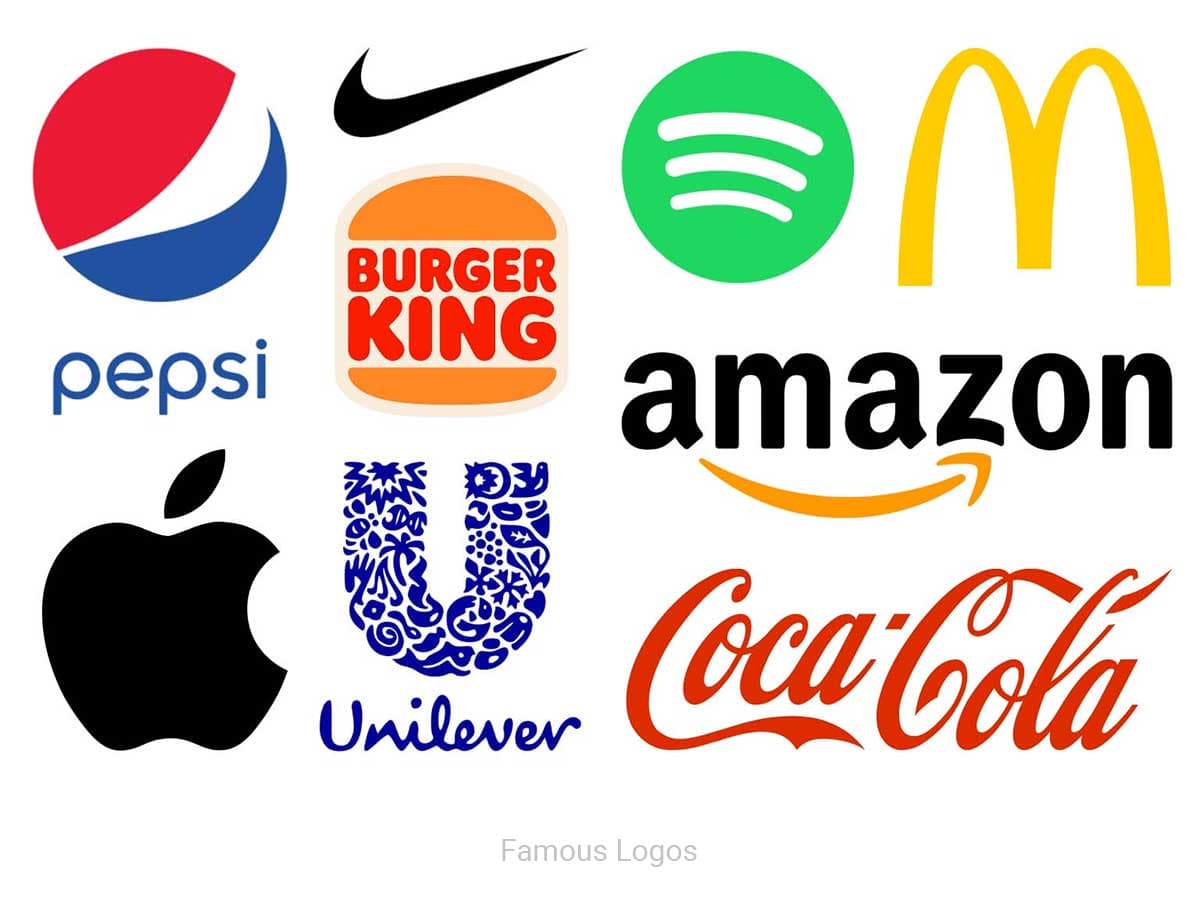
A logo must be instantly recognizable, scalable, and stripped of excess. Avoid complexity. The most effective logos distill an idea or value into a form that works on a billboard and a favicon. Test legibility in different contexts—digital, print, merchandise. Versatility is non-negotiable. Build in meaning, but don’t let symbolism override clarity. For more, see our visual branding tips and logo design for startups resources.
Choosing the right color palette for your brand
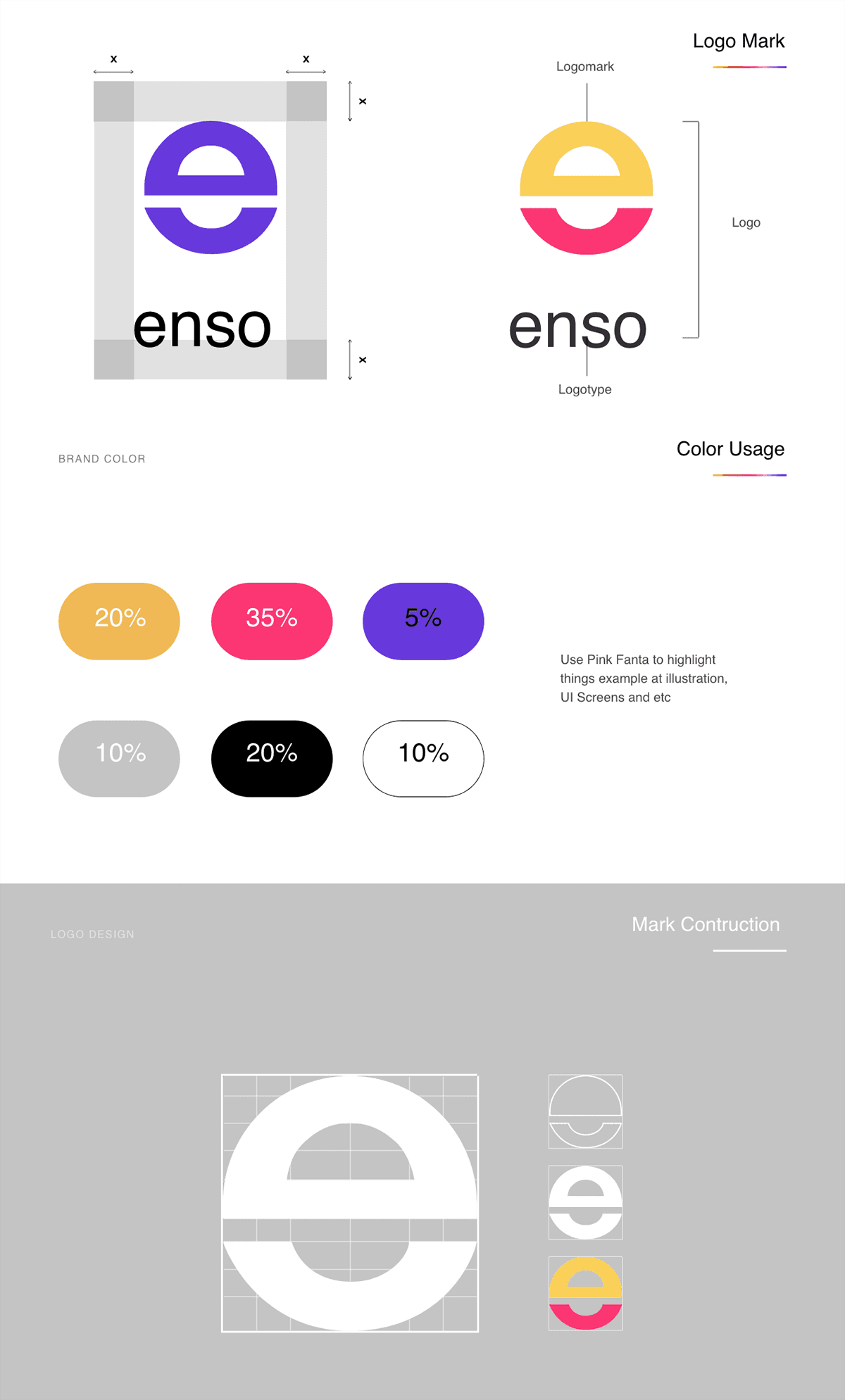
Color is more than aesthetics; it signals positioning and personality. Select a color palette for startups that balances differentiation with relevance to your market. Limit your core palette to three to five colors. Test for accessibility, contrast, and emotional resonance. Document primary, secondary, and accent colors with precise codes to avoid drift as your team and channels expand.
Typography tips for a cohesive startup branding kit
Typography is the backbone of startup visual identity. Prioritize readability at every size and device. Choose one or two typefaces—one for headings, one for body copy. Avoid novelty fonts; they date quickly and fracture consistency. Set clear rules for weights, spacing, and hierarchy. Lock these into your brand guidelines from day one to prevent dilution as assets proliferate.
Consistency is the lever that turns visual identity into equity. Audit your presence regularly. Every touchpoint—deck, site, social, ad—should reinforce the same identity. As your startup grows, your visual system must scale without losing its edge. Invest in these fundamentals early; they pay compound interest as you expand.
Audience and Competitor Insights: Informing Your Branding Kit
How to research your audience for a branding kit
Branding kit research starts with a clear-eyed audience analysis for startups. Segmenting by demographics is table stakes; real differentiation comes from mapping behaviours, motivations, and pain points. Use first-party data, qualitative interviews, and social listening to get beyond surface-level assumptions. The goal: actionable insight into what your audience values, how they speak, and what drives their choices.
Building buyer personas for effective startup branding
Generic buyer personas waste time. Effective personas are rooted in actual data, not marketing folklore. Identify the decision-makers and influencers in your buying process. Document their priorities, objections, and the language they use. These personas become the filter for every branding decision—visuals, tone, and messaging must pass the relevance test. If your branding kit doesn’t resonate with these archetypes, it’s already obsolete.
Using competitor analysis to refine your branding kit
A competitor branding audit isn’t about imitation—it’s about finding the white space. Dissect their visual identity, messaging, and positioning. Where are they strong? Where do they blend into the noise? Look for patterns: overused color palettes, tired taglines, or neglected channels. Your branding kit should exploit these gaps, not replicate what’s already saturated. This is how you avoid “me-too” branding and carve out a distinct presence.
Branding strategy insights emerge when you layer these findings. Audience research shapes the emotional and functional triggers your kit must hit. Competitor analysis reveals which branding moves are table stakes and which are genuinely differentiating. The result isn’t just a kit that looks good in a deck—it’s a branding system engineered for market impact. If you’re not grounding your branding kit in research, you’re guessing. And in this market, guessing is expensive.
Building Your Branding Kit: DIY, Professional, or Platform Solutions?
Every founder asks how to build a branding kit that delivers both speed and substance. The answer is rarely one-size-fits-all. The right approach depends on your appetite for risk, resource constraints, and the scale of your ambition. Let’s cut through the noise and get pragmatic about your options.
DIY vs professional branding kit: which is right for your startup?
DIY branding kits are fast and cheap. If you’re pre-seed, validating a concept, or simply need to get to market, DIY makes sense. You’ll use generic branding tools for startups—think drag-and-drop platforms and logo generators. The upside: control and agility. The downside: you’ll blend in with every other bootstrapper using the same templates. Don’t expect strategic differentiation or deep brand equity.
Hiring brand designers means investing in expertise. This route suits startups with funding, a defined product, and a need to look credible to investors or enterprise clients. The process is slower and costlier, but the output is tailored, defensible, and scalable. You’re paying for thinking, not just visuals. The risk is over-investing too early or hiring the wrong fit—so know how to choose a branding agency or designer who understands your market, not just your mood board.
Best branding kit tools and platforms for startups
Template-based solutions—branding software for startups—bridge the gap. They offer semi-custom kits that look polished without agency fees. Use these when you’ve outgrown DIY but aren’t ready for a full rebrand. They’re ideal for rapid launches, MVPs, or when you need to localise branding across markets without reinventing the wheel each time.
How to choose a branding designer
Don’t get distracted by portfolios alone. Look for designers who ask sharp questions about your business model, customer segments, and distribution plan. A good designer will challenge your assumptions and tie creative decisions to commercial outcomes. Insist on a clear brief, transparent pricing, and staged deliverables to manage risk.
Whichever route you take, maximise value by documenting every asset, specifying usage rules, and building for flexibility. Your branding kit isn’t a trophy—it’s a working system. Invest in what moves the needle now, but architect for the scale you want next.
Avoiding Common Branding Kit Mistakes in Startups
Most common branding kit mistakes startups make
Branding kit mistakes are rarely about lack of ambition—they’re about lack of discipline. The classic startup branding errors start with inconsistency. Logos morph between pitch decks and social posts. Colours shift, fonts wander, and the brand voice is diluted by every new hire or outsourced designer. This isn’t a creative flourish; it’s a credibility leak. Consistency isn’t a detail—it’s the baseline for trust.
Another frequent branding pitfall is overcomplicating the kit. Startups often pile on secondary palettes, submarks, and micro-guidelines, mistaking complexity for sophistication. The result? Slow decision-making, bloated creative, and confusion at every touchpoint. On the flip side, some founders undercook their assets, settling for a logo and a hex code. Neither extreme serves scale or clarity.
How to maintain brand consistency as you grow
Brand consistency issues compound as startups scale. The fix isn’t more rules—it’s better ones. Build a kit that’s robust but usable. Lock down the non-negotiables: primary logo, core palette, type hierarchy, and tone of voice. Make these accessible and enforceable, not hidden in a PDF no one reads. Train teams on the why, not just the what, to drive adoption.
Distribution is where consistency breaks. Audit every channel—owned, earned, and paid. If your brand assets look different in your app store listing than on your LinkedIn page, you’re leaking value. Set up periodic reviews and empower someone to be the brand’s final gatekeeper.
Signs your branding kit needs a refresh
Startups evolve fast. The branding kit that fit at seed stage won’t always serve you at Series B. If you’re seeing mismatched assets, repeated design “workarounds,” or internal teams creating their own templates, your kit is outdated. Another red flag: audience feedback that signals confusion or disconnect. Don’t ignore it—use it. Branding isn’t static; it’s a living asset that should reflect your current business reality.
Branding kit mistakes aren’t just cosmetic—they’re commercial. Treat your kit as infrastructure, not artwork. The startups that get this right don’t just look consistent. They move faster, scale cleaner, and build trust that compounds.
Conclusion
The importance of a branding kit for startups is not theoretical—it’s operational. In an environment where first impressions are currency, a well-constructed branding kit is the baseline for credibility. It’s not just about logos and color palettes. It’s about codifying the startup branding essentials that signal intent, professionalism, and market readiness from day one.
Brand identity for new businesses hinges on consistency. A branding kit delivers that consistency in every touchpoint—whether it’s investor decks, product packaging, or digital ads. Without it, even the best ideas can look fragmented and unconvincing. With it, you set the terms of engagement. The kit becomes a tactical tool for alignment across teams, markets, and partners, reducing friction and ambiguity in every execution.
Market positioning is built on repetition and recognition. The branding kit is the mechanism that makes repetition possible without creative decay. It’s the difference between a startup that looks like it’s still figuring itself out and one that’s already playing in the right league. This is the foundation on which more sophisticated moves—like refining your startup branding strategy or evolving your messaging—can actually deliver ROI.
In short, startup branding essentials are not optional extras. They are the scaffolding for growth, reputation, and differentiation. Treat the branding kit as a living asset: update it, enforce it, and let it do its job. Consistent application isn’t just operational hygiene; it’s a commercial advantage. If you want to build your brand identity and avoid the classic branding mistakes to avoid, start with the fundamentals and execute relentlessly.
FAQs
What is a branding kit for startups?
A branding kit is a curated set of assets and guidelines that define a startup’s visual and verbal identity. It typically includes logo files, color palettes, typefaces, image style references, and tone-of-voice principles. The purpose is simple: equip teams to execute consistent, recognisable brand communication from day one.
How does a branding kit build credibility for new businesses?
Credibility hinges on professionalism and coherence. A well-constructed branding kit signals that a business is serious, detail-oriented, and prepared for scale. When every touchpoint aligns visually and tonally, prospects perceive the brand as trustworthy—reducing friction in early sales and partnership conversations.
Why is consistent branding important for startups?
Consistency breeds recognition. Startups operate in crowded markets; fragmented branding dilutes impact and confuses audiences. Uniform application of brand elements across platforms ensures every impression reinforces the core message, accelerating familiarity and recall—critical levers for early-stage growth.
How to write a value proposition for your startup?
Start by pinpointing the customer’s core problem. Articulate how your solution uniquely addresses that need, and why it’s better than alternatives. The best value propositions are concise, specific, and free of jargon—clarity outperforms cleverness every time.
What are the best practices for logo design?
Prioritise simplicity and scalability. A strong logo is legible at any size, functions in black and white, and avoids unnecessary detail. Test it in real-world contexts—digital, print, and social—to ensure it holds up. Avoid trends; aim for timelessness and relevance to your sector.
How to research your audience for a branding kit?
Go beyond surface demographics. Conduct interviews, analyse competitor audiences, and dig into customer pain points. Social listening and direct feedback loops reveal language, preferences, and visual cues that should inform your brand’s look and messaging. Insight, not assumption, drives relevance.
What are common branding kit mistakes startups make?
Overcomplicating assets, ignoring scalability, and skipping documentation top the list. Many startups also neglect to update kits as they evolve. The fix: keep it lean, document usage rules, and revisit the kit regularly as the business and market mature.
.webp)
Creative Collaboration Platform: The Backbone of Modern Creative WorkWhat is a creative collaboration platform?Clapboard defines a creative collaboration platform as the operational core for today’s distributed creative teams. This is not a collection of digital collaboration tools stitched together; Clapboard’s system

Understanding the Creative Production MarketplaceWhat is a Creative Production Marketplace?Clapboard defines a creative production marketplace as a structured ecosystem where brands, agencies, and production talent converge to execute video, advertising, and branded content at scale. Unlike the legacy agency or freelanREAD FULL ARTICLE

The Urgent Need for a Creative Production Operating SystemWhy Traditional Creative Production Models Break DownClapboard sees the creative production landscape shifting under pressure. Content velocity is no longer a buzzword—it’s a mandate. Modern advertising demands relentless output across dozens of channels, each wREAD FULL ARTICLE

JOIN THE NEWSLETTER.
Content Production insights, videos, books, and freebies, delivered to your inbox weekly


LEAVE A COMMENT
Your email address will not be published.